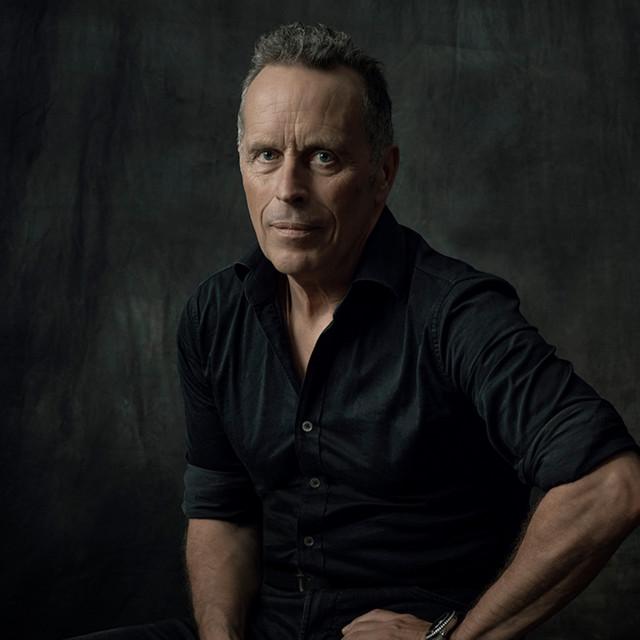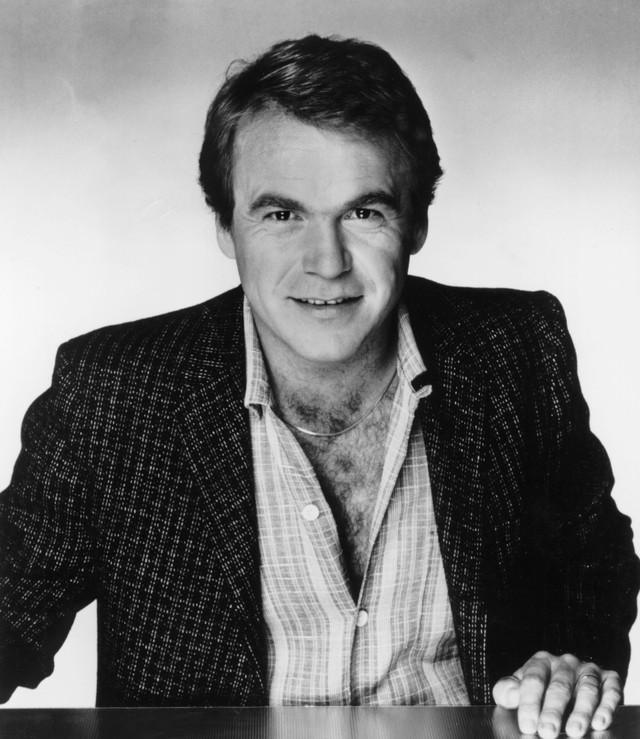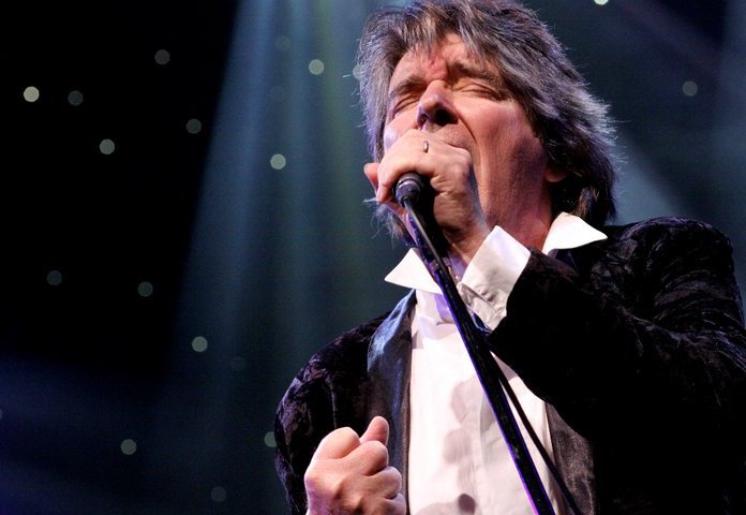
Jim Keays

Rock
Alternative Rock
Pop Rock
 Viberate Rank: 483094
 Viberate Rank: 483094
 Monthly ListenersFollowers
 Subscribers
 Followers
 Followers
 FansTop Spotify SongsTop YouTube VideosMonthly ListenersFeatured in Playlists
| Playlist | Followers | |
|---|---|---|
1 |  Australian Acoustic Classics Mushroom Group | 8.59K |
2 |  Almost Acoustic 8092962 | 4.74K |
3 | Remix draslox | 3.79K |
4 |  RocKwiz Duets RocKwiz | 3.17K |
5 |  RARE THE NANAS Rare The Nanas | 3.12K |
Audience| City | Monthly Listeners | |
|---|---|---|
1 | | 941 |
2 | | 764 |
3 | | 553 |
4 | | 345 |
5 | | 220 |
See full performance history, audience data, playlist activity, rankings, comparisons, and more in Viberate music analytics. Start with a free trial, then continue with a paid plan.
Jim Keays’ Spotify BioJim Keays fronted the successful Master's Apprentices until they broke up in the U.K. 1971. This marked a career change and he returned to Australia, where he worked for Go-Set magazine, formed the Rock On Agency, and appeared at the Mulwala Rock Festival in April 1972. In March 1973, he starred in the Australian version of the Who's Tommy and in January 1974, Keays participated in the third annual Sunbury Festival.
Keays then returned to music, recording his debut solo album, The Boy From the Stars, a concept album about an extraterrestrial visitor who attempts to warn people of the earth's imminent destruction. Keays, playing the role of the boy from the stars, wrote most of the music and all of the lyrics. "Kid's Blues"/"&Inter-Planetary Boogie" (December 1974) and "The Boy From the Stars"/"Take It on Easy" were released as singles and Keays undertook an ambitious tour in support of the album, but due to the size of the show, only three concerts were staged.
The anti-drug song "Give… It Up"/"Love Is" was released in June 1975. He then formed Jim Keays' Southern Cross with Mick Elliot, Rex Bullen (keyboards), George Cross (bass), and Rick Brewer (drums). They released a reworking of the Masters Apprentices' "Undecided"/"For Someone" in December 1975, by which time the lineup had changed to Peter Laffy (guitar), Ron Robinson (bass), and John Swan.
In 1977, Keays formed the Manning/Keays Band with Phil Manning. The next year, Keays formed the Jim Keays Band with Ron Robinson, James Black (guitar), and David Rowe (drums). Guitarists John Moon and Geoff Spooner replaced Black, and by 1979, the band had evolved into the Keays with a revamped lineup of Moon, Bruce Stewart (guitar), Peter Marshall (bass), and Nigel Rough (drums). In early 1980, the band began recording an album which was never finished due to Stewart's ill health. The single "Lucifer Street"/"The Living Dead" was released and the band broke up.
The unfinished album was finally released in 1983 as a solo Jim Keays project titled Red on the Meter and "Lucifer Street" was re-released as a single. Keays then began working as a DJ until a new deal with Virgin in 1987 saw him fly to the U.K. to record with producer Craig Leon (the Ramones, the Bangles) and ex-Sweet guitarist Andy Scott. Two singles were released from the sessions: "Undecided"/"Dubcided" (July 1987) and "Reaction"/"Bates Motel" (October 1987). The Masters Apprentices then re-formed until Keays issued his second solo album in 1993, Pressure Makes Diamonds, on the Gemstone label. BMG reissued the album in mid-1994, after which Keays revived the Master's Apprentices again.
Keays and his fellow Master's Apprentices bandmembers were inducted into the Australian Record Industry Association (ARIA) Hall of Fame in 1998. In 1999, Keays published his first book, His Master's Voice, which told the story of the Masters Apprentices. In January 2000, Raven Records reissued Keays' 1974 solo album, The Boy From the Stars, with five bonus tracks. The Mavis's contributed a cover of "The Boy From the Stars" to the original soundtrack of the Australian film Sample People in May 2000. ~ Brendan Swift, Rovi
Viberate is a music analytics platform built for A&Rs, artist managers, labels, booking agents, marketers, and artists.
It helps music professionals track artist growth, analyze audience data, monitor playlist activity, compare artists, follow song performance, and identify opportunities across the music market.
Public artist pages provide a free preview of selected artist data. Paid plans provide access to deeper analytics, historical data, charts, comparisons, playlist tools, exports, alerts, reports, and additional professional features.
Yes. Public Viberate artist pages provide selected artist analytics and music data for free.
Viberate also offers a 7-day free trial of the full platform. A credit card is required to start the trial. The trial includes access to the complete product so users can test deeper artist analytics, historical views, playlist insights, comparisons, charts, exports, alerts, and reporting features before choosing a paid plan.
Viberate provides artist analytics across streaming, playlists, social media, video, radio airplay, songs, and audience markets.
Users can analyze Spotify performance, Spotify and Apple Music playlists, YouTube activity, TikTok and Instagram growth, radio spins, song performance, audience locations, demographics, rankings, and overall artist momentum.
Artist profiles also connect to music charts, similar artists, and comparison tools, helping users benchmark performance and evaluate artists in context.
Viberate updates key artist and track data daily.
For followed artists and tracks, selected data is refreshed multiple times per day. This helps teams monitor playlist changes, streaming movement, audience growth, releases, and campaign performance with more current data.
Update frequency can vary depending on the metric and data source.
Yes. Viberate lets users compare up to five artists side by side across streaming, social media, audience, and engagement metrics.
Users can compare fanbase growth, audience demographics, locations, Spotify performance, social metrics, and other artist data over selected time periods.
Artist comparison can be used for A&R scouting, benchmarking, booking decisions, campaign planning, and evaluating artists with similar audiences or market positions.