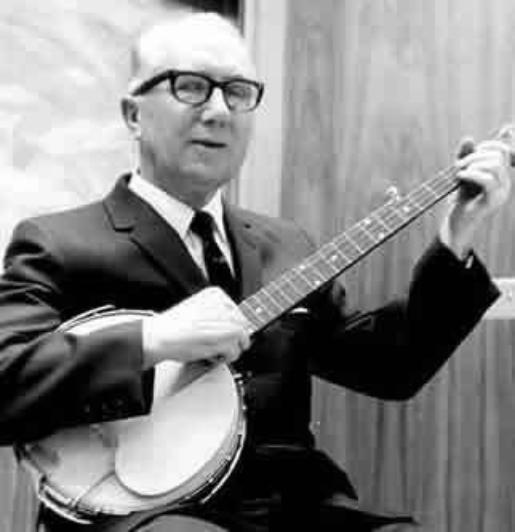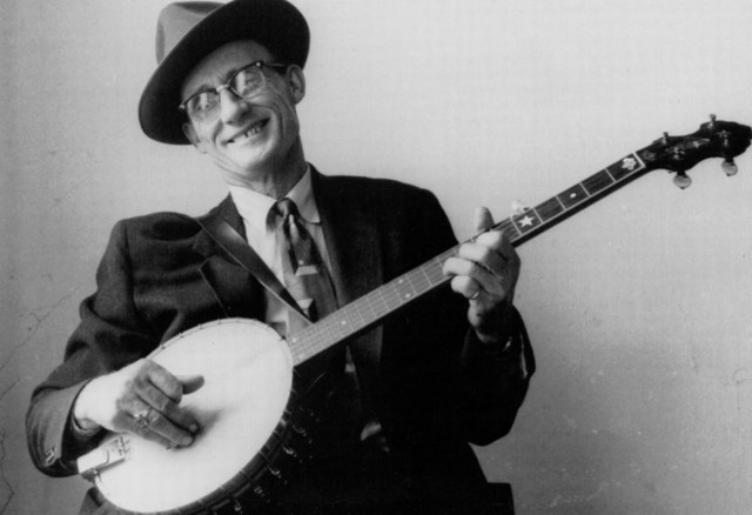
Roscoe Holcomb

Country
Americana/Alt Country
Bluegrass
 Viberate Rank: 250531
 Viberate Rank: 250531
 Monthly ListenersFollowers
 Subscribers
 Followers
 Followers
 FansTop Spotify Songs
| Track | 7-Day Streams | |
|---|---|---|
1 | 1.43K | |
2 | 852 | |
3 | 608 | |
4 | 517 | |
5 | 448 |
Top YouTube VideosMonthly ListenersFeatured in Playlists| Playlist | Followers | |
|---|---|---|
1 |  1000 Recordings to Hear Before You Die (Tom Moon): Album Index Ulysses' Classical | 94.29K |
2 |  The Sound of Everything The Sounds of Spotify | 53.82K |
3 | Appalachian Folk Music mheld3 | 34.95K |
4 |  NPR All Songs Considered - The Bob Boilen years (unofficial) Fri Tsch | 30.02K |
5 | 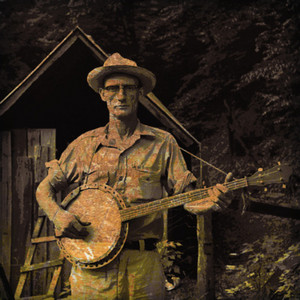 Hillbilly banjo pickin´ Nathalie.L | 22.78K |
Audience| City | Monthly Listeners | |
|---|---|---|
1 | | 169 |
2 | | 154 |
3 |  | 141 |
4 | | 136 |
5 | | 131 |
See full performance history, audience data, playlist activity, rankings, comparisons, and more in Viberate music analytics. Start with a free trial, then continue with a paid plan.
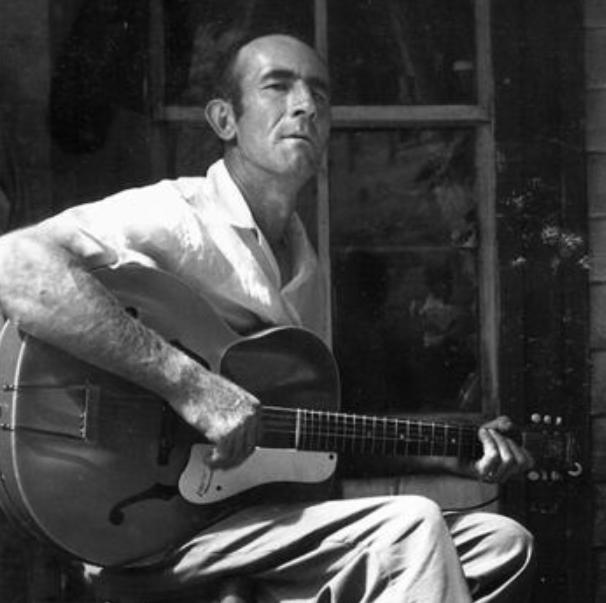
Roscoe Holcomb’s Spotify BioOne of the most noted Appalachian old-time musicians, banjo player and singer Roscoe Holcomb spent most of his life in the small town of Daisy, KY, and was one of the most authentic exponents of American mountain folk music. Indeed, he never had any professional ambitions but become a recording artist and participant in the folk revival circuit after being recorded for the first time in the late '50s. Holcomb's style is stark, epitomizing the keening, at times pained vocals associated with Appalachian music, with a repertoire stuffed with traditional songs that had passed among generations, as well as some songs that he likely learned from early country records. Folk musician and archivist John Cohen coined the term "high lonesome sound" to describe Holcomb's music, and the phrase has since passed into common usage to describe bluegrass and Appalachian music as a whole. He cut several albums for Folkways and made some concert appearances on the college/festival scene throughout the… 1960s and 1970s, giving his last show in 1978. ~ Richie Unterberger, Rovi
Viberate is a music analytics platform built for A&Rs, artist managers, labels, booking agents, marketers, and artists.
It helps music professionals track artist growth, analyze audience data, monitor playlist activity, compare artists, follow song performance, and identify opportunities across the music market.
Public artist pages provide a free preview of selected artist data. Paid plans provide access to deeper analytics, historical data, charts, comparisons, playlist tools, exports, alerts, reports, and additional professional features.
Yes. Public Viberate artist pages provide selected artist analytics and music data for free.
Viberate also offers a 7-day free trial of the full platform. A credit card is required to start the trial. The trial includes access to the complete product so users can test deeper artist analytics, historical views, playlist insights, comparisons, charts, exports, alerts, and reporting features before choosing a paid plan.
Viberate provides artist analytics across streaming, playlists, social media, video, radio airplay, songs, and audience markets.
Users can analyze Spotify performance, Spotify and Apple Music playlists, YouTube activity, TikTok and Instagram growth, radio spins, song performance, audience locations, demographics, rankings, and overall artist momentum.
Artist profiles also connect to music charts, similar artists, and comparison tools, helping users benchmark performance and evaluate artists in context.
Viberate updates key artist and track data daily.
For followed artists and tracks, selected data is refreshed multiple times per day. This helps teams monitor playlist changes, streaming movement, audience growth, releases, and campaign performance with more current data.
Update frequency can vary depending on the metric and data source.
Yes. Viberate lets users compare up to five artists side by side across streaming, social media, audience, and engagement metrics.
Users can compare fanbase growth, audience demographics, locations, Spotify performance, social metrics, and other artist data over selected time periods.
Artist comparison can be used for A&R scouting, benchmarking, booking decisions, campaign planning, and evaluating artists with similar audiences or market positions.