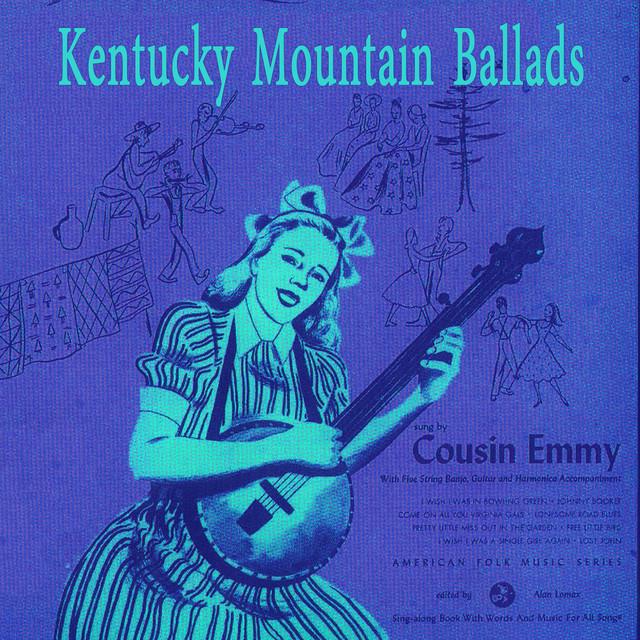
Cousin Emmy

Country
Bluegrass
Folk Rock
 Viberate Rank: 520962
 Viberate Rank: 520962
 Monthly ListenersFollowers
 Subscribers
 Followers
 Followers
 FansTop Spotify Songs
| Track | 7-Day Streams | |
|---|---|---|
1 | 1.19K | |
2 | 1.19K | |
3 | 103 | |
4 | 63 | |
5 | 54 |
Top YouTube VideosMonthly ListenersFeatured in Playlists| Playlist | Followers | |
|---|---|---|
1 |  Bluegrass Origins Spotify | 93.88K |
2 | Fallout 76 Radio Expanded Neale Christopher Zeringue | 16.78K |
3 |  Old Time & American Folk notduncan | 12.70K |
4 |  Smithsonian Folkways Doran McBride | 8.59K |
5 |  People's Picks: Joan Shelley Smithsonian Folkways Recordings | 3.98K |
Audience| City | Monthly Listeners | |
|---|---|---|
1 | | 57 |
2 | | 55 |
3 | | 49 |
4 | | 46 |
5 | | 43 |
See full performance history, audience data, playlist activity, rankings, comparisons, and more in Viberate music analytics. Start with a free trial, then continue with a paid plan.
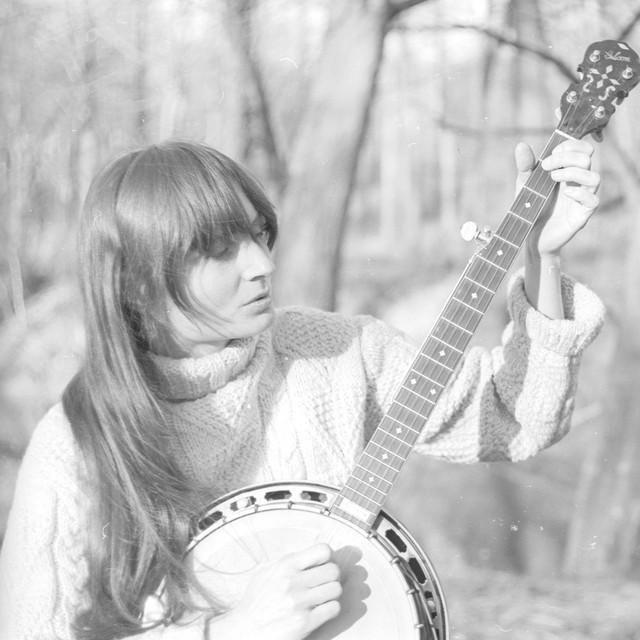
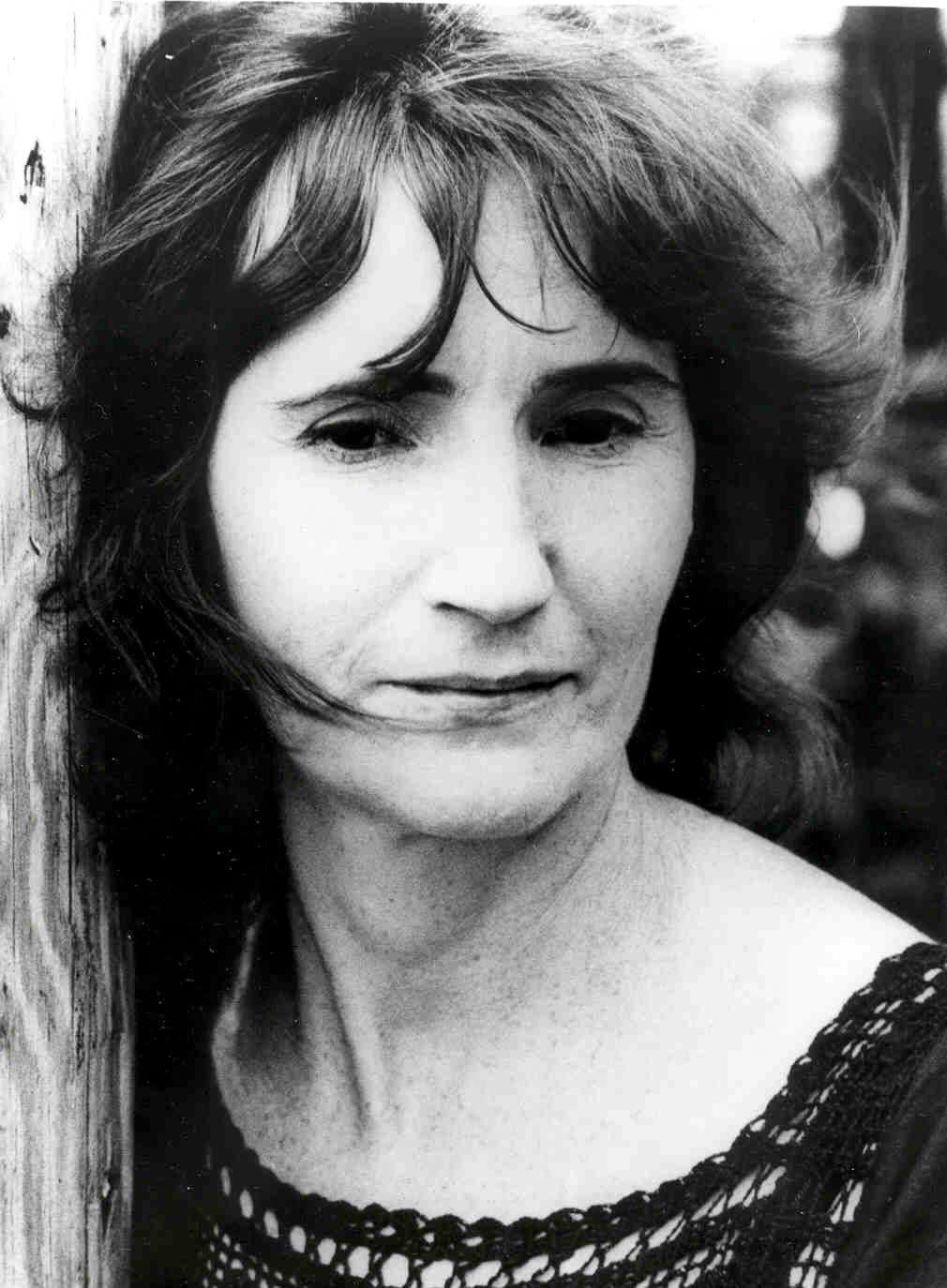
Cousin Emmy’s Spotify BioThis mountain music gal might have been born in a log cabin, but she was often known as "the first hillbilly to own a Cadillac." She began recording for Decca in the late '40s, her album winding up a cherished item among folk music revivalists of the '60s. One such outfit, the New Lost City Ramblers, wound up backing up Cousin Emmy on a Folkways record, but she leaves them in the dust. She was born Cynthia May Carver and from the age of seven, she enjoyed being the star entertainer among the children. Her musical ambitions eventually drove her to seek a wider audience than just the neighborhood kids. She finally saved up her money and traveled the difficult distance of 135 miles to the big town of Louisville, where radio station WHAS beckoned. Nobody at the station would listen to her, however, so she went back home and continued singing at events such as bean hullings, quilting parties, and pie suppers. Finally, someone at the aforementioned station caved in and she wound up with her… own spot. She still had to make a living doing personal appearances and would typically have to drive 500 miles within a single day to fulfill both the stage and radio commitments. Her radio shows began to pick up sponsors and the country girl was moving on to even bigger towns such as Chicago and St. Louis, where she performed on KMOX. During this time, she was chosen by the City Art Museum of St. Louis as the most-perfect singer of mountain ballads.
Despite her growing fame, she only recorded one single, "Come All You Virginia Gals," and one album for Decca. This recording and her performances with Cousin Emmy & Her Kinfolk, both on-stage and on radio, created an incredibly enthusiastic fan base. Among the classic country players who credit Cousin Emmy with inspiring them to play is Grandpa Jones, who worked with her on WWVA when he was too young to be a grandpa and had no banjo on his knee. The bluegrass pioneers the Osborne Brothers heard her version of "Ruby Are You Mad" on a jukebox and decided to run with it, turning it into their band's signature song. Her original version was finally put back in print via both a CMH anthology, Fair Tender Ladies, and a set of classic Decca recordings released by MCA.
Unlike some old-time music artists, Cousin Emmy also had a bit of a career in Hollywood, appearing in films such as Swing in the Saddle and Under Western Sky. She relocated to Los Angeles during the making of these films and wound up living there for years, raising a set of adopted children and playing at local country music clubs. The members of the New Lost City Ramblers convinced her to record with them in 1967, again resulting in a superior album. A new cycle of gigs involving collaborations with this band were set in motion, including a famous appearance at the Ash Grove in Los Angeles and the Newport Folk Festival. Excerpts from the latter event were released on an anthology collection by Vanguard. She performed with the Clinch Mountain Boys on Rainbow Quest, a series of televised programs of folk music produced by Pete Seeger, and is in Festival, a late-'60s folk festival documentary in which big wigs such as Bob Dylan and Donovan tend to hog screen time. She also toured Europe in the late '60s. An essential aspect of the Cousin Emmy experience is her brassy and even outrageous personality. This puts her in the class of performers such as Uncle Dave Macon or Minnie Pearl. It is certainly not an unheard of stance in country music, but is a contrast from the serious, brooding nature of much Appalachian balladry. Not that she doesn't touch on that, as her haunting song "Graveyard" attests. But she is just as likely to come on-stage dressed in an outlandish costume and begin blowing up a rubber glove for a gag, or producing a harmonica from the valley of her cleavage. Showmanship was always a big deal with her, and she once played almost two dozen different instruments during her show. She also seems to inspire songwriters to write songs -- about her. Singer/songwriter Laura Lind has recorded "Cousin Emmy's Blues," while the band Gallon Drunk has cut "Ruby/Us and Cousin Emmy." ~ Eugene Chadbourne
Viberate is a music analytics platform built for A&Rs, artist managers, labels, booking agents, marketers, and artists.
It helps music professionals track artist growth, analyze audience data, monitor playlist activity, compare artists, follow song performance, and identify opportunities across the music market.
Public artist pages provide a free preview of selected artist data. Paid plans provide access to deeper analytics, historical data, charts, comparisons, playlist tools, exports, alerts, reports, and additional professional features.
Yes. Public Viberate artist pages provide selected artist analytics and music data for free.
Viberate also offers a 7-day free trial of the full platform. A credit card is required to start the trial. The trial includes access to the complete product so users can test deeper artist analytics, historical views, playlist insights, comparisons, charts, exports, alerts, and reporting features before choosing a paid plan.
Viberate provides artist analytics across streaming, playlists, social media, video, radio airplay, songs, and audience markets.
Users can analyze Spotify performance, Spotify and Apple Music playlists, YouTube activity, TikTok and Instagram growth, radio spins, song performance, audience locations, demographics, rankings, and overall artist momentum.
Artist profiles also connect to music charts, similar artists, and comparison tools, helping users benchmark performance and evaluate artists in context.
Viberate updates key artist and track data daily.
For followed artists and tracks, selected data is refreshed multiple times per day. This helps teams monitor playlist changes, streaming movement, audience growth, releases, and campaign performance with more current data.
Update frequency can vary depending on the metric and data source.
Yes. Viberate lets users compare up to five artists side by side across streaming, social media, audience, and engagement metrics.
Users can compare fanbase growth, audience demographics, locations, Spotify performance, social metrics, and other artist data over selected time periods.
Artist comparison can be used for A&R scouting, benchmarking, booking decisions, campaign planning, and evaluating artists with similar audiences or market positions.