Buell Kazee

Country
Contemporary Country
Country Blues
 Viberate Rank: 406744
 Viberate Rank: 406744
 Monthly ListenersFollowers
 Subscribers
 Followers
 Followers
 FansTop Spotify Songs
| Track | 7-Day Streams | |
|---|---|---|
1 | 301 | |
2 | 257 | |
3 | 257 | |
4 | 257 | |
5 | 245 |
Top YouTube VideosMonthly ListenersFeatured in Playlists| Playlist | Followers | |
|---|---|---|
1 |  Hillbilly banjo pickin´ Nathalie.L | 22.78K |
2 |  Anthology of American Folk Music Rodney Hargis | 21.01K |
3 |  ⭐Decades 1920-1939[Best 1920s, 1930s, Folk, Blues, Old Timey, Vocal Jazz, Big Band, Country] Michael Thomsen | 7.20K |
4 | Traditional Appalachian Folk songs flask171 | 5.38K |
5 | Appalachian Mountain Music Bill Frampton | 2.80K |
Audience| City | Monthly Listeners | |
|---|---|---|
1 | | 49 |
2 | | 38 |
3 | | 36 |
4 | | 30 |
5 | | 28 |
See full performance history, audience data, playlist activity, rankings, comparisons, and more in Viberate music analytics. Start with a free trial, then continue with a paid plan.
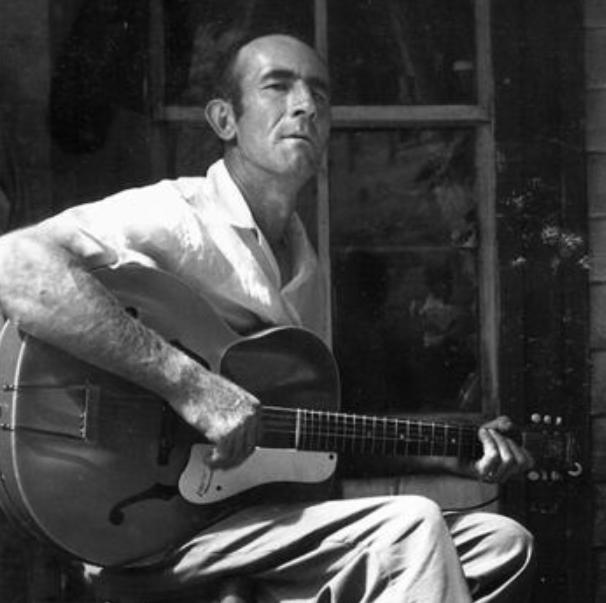
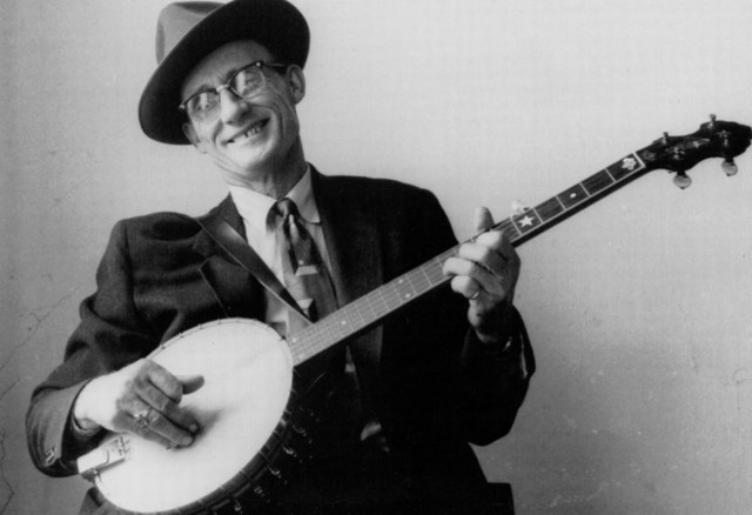
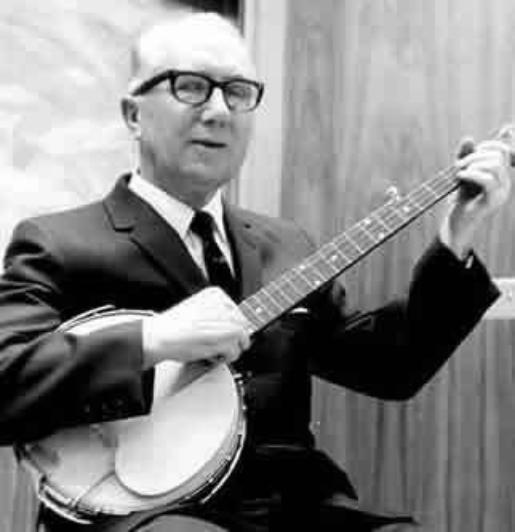
Buell Kazee’s Spotify BioBuell Kazee was a minister who played banjo and sang the ancient songs of his beloved Kentucky mountains during the 1920s. Considered one of the very best folk singers in U.S. history, he was a master of the high, "lonesome" singing style of the Appalachian balladeer. Kazee was born in the foothill town of Burton Fork, KY, and learned most of his songs from his family. He began picking banjo at age five and often played during local gatherings. He prepared for the clergy even as a teen and after high school began studying English, Greek, and Latin at Georgetown College, KY. It was there that he began to understand the significance of his family and friends' traditional songs. Kazee formally studied singing and music in order to transcribe the old songs and make them more contemporary. Following his graduation in 1925, he gave a "folk music" concert at the University of Kentucky. He wore a tie and tails while playing the banjo and piano, sang in his specially trained "formal" voice, and… gave lectures about the history of the songs. The show was a great success, so he repeated it several times over the following years.
In 1927, he was asked to record the songs for Brunswick in New York, and he was signed to the label on the condition that he sing using his high, tight "mountain" voice and forego his formal vocal training. Over the next two years, he recorded over 50 songs backed by New York musicians. Many were religious, but others ranged from traditional to popular ballads, including "Lady Gay," "The Sporting Bachelors," and "The Orphan Girl." His biggest hit was a version of "On Top of Old Smoky" called "Little Mohee," which sold over 15,000 copies. In the early '30s, the recently married Kazee lost interest in pursuing a music career and stopped touring to become the minister of a church in Morehead, KY. For the next 22 years, he only sang publicly at revival meetings. Much later, he began using folk themes to compose formal music, such as a cantata-based on the old Sacred Harp piece "The White Pilgrim." During the folk revival of the early '60s, he made a comeback and was one of the first to appear at the Newport festivals. In addition to preaching and singing, Kazee also wrote three religious books and a book on banjo playing. He died in 1976. ~ Sandra Brennan, Rovi
Viberate is a music analytics platform built for A&Rs, artist managers, labels, booking agents, marketers, and artists.
It helps music professionals track artist growth, analyze audience data, monitor playlist activity, compare artists, follow song performance, and identify opportunities across the music market.
Public artist pages provide a free preview of selected artist data. Paid plans provide access to deeper analytics, historical data, charts, comparisons, playlist tools, exports, alerts, reports, and additional professional features.
Yes. Public Viberate artist pages provide selected artist analytics and music data for free.
Viberate also offers a 7-day free trial of the full platform. A credit card is required to start the trial. The trial includes access to the complete product so users can test deeper artist analytics, historical views, playlist insights, comparisons, charts, exports, alerts, and reporting features before choosing a paid plan.
Viberate provides artist analytics across streaming, playlists, social media, video, radio airplay, songs, and audience markets.
Users can analyze Spotify performance, Spotify and Apple Music playlists, YouTube activity, TikTok and Instagram growth, radio spins, song performance, audience locations, demographics, rankings, and overall artist momentum.
Artist profiles also connect to music charts, similar artists, and comparison tools, helping users benchmark performance and evaluate artists in context.
Viberate updates key artist and track data daily.
For followed artists and tracks, selected data is refreshed multiple times per day. This helps teams monitor playlist changes, streaming movement, audience growth, releases, and campaign performance with more current data.
Update frequency can vary depending on the metric and data source.
Yes. Viberate lets users compare up to five artists side by side across streaming, social media, audience, and engagement metrics.
Users can compare fanbase growth, audience demographics, locations, Spotify performance, social metrics, and other artist data over selected time periods.
Artist comparison can be used for A&R scouting, benchmarking, booking decisions, campaign planning, and evaluating artists with similar audiences or market positions.