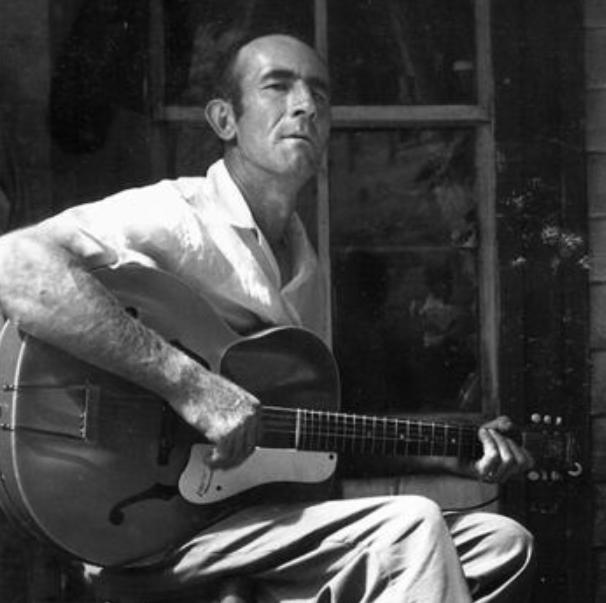
Frank Proffitt

Rock
Folk Rock
Bluegrass
 Viberate Rank: 359970
 Viberate Rank: 359970
 Monthly ListenersFollowers
 Subscribers
 Followers
 Followers
 FansTop Spotify Songs
| Track | 7-Day Streams | |
|---|---|---|
1 | 1.08K | |
2 | 813 | |
3 | 771 | |
4 | 570 | |
5 | 482 |
Top YouTube VideosMonthly ListenersFeatured in Playlists| Playlist | Followers | |
|---|---|---|
1 |  The Sound of Everything The Sounds of Spotify | 53.82K |
2 | Appalachian Folk Music mheld3 | 34.95K |
3 |  Old Time & American Folk notduncan | 12.70K |
4 |  Smithsonian Folkways Doran McBride | 8.59K |
5 |  Classic Outlaw Country Jesse James | 6.40K |
Audience| City | Monthly Listeners | |
|---|---|---|
1 | | 149 |
2 | | 144 |
3 | | 130 |
4 |  | 114 |
5 | | 114 |
See full performance history, audience data, playlist activity, rankings, comparisons, and more in Viberate music analytics. Start with a free trial, then continue with a paid plan.
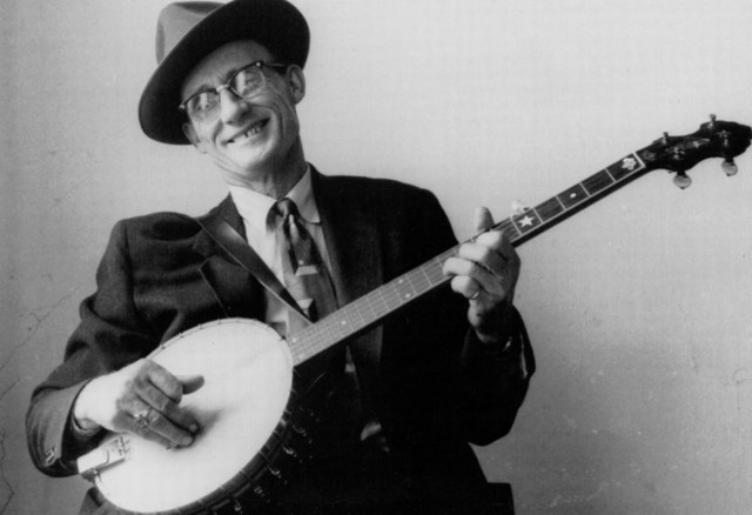
Frank Proffitt’s Spotify BioThis great North Carolina old-time music artist and clawhammer banjo specialist was the source of the folk chestnut "Tom Dooley" as well as some 50 other traditional songs and banjo numbers. Listeners who cringe at the mention of "Tom Dooley" might want to toss their Kingston Trio discs on the fire and check out the Frank Proffitt version, known as "Tom Dula" in an attempt to spellcheck the evocative accent of the Northwest Carolinian. This artist is clearly in another universe than the ultra-clean folky scene of the '60s revival groups; anyone who has heard Proffitt sing about maggots "like a bowlful of rice moving," crawling through the skull of the "Missing Bride" will nod their heads in shocked, and perhaps slightly disgusted, agreement. Few fans of traditional music would be disgusted by the fact that the Kingston Trio and the big labels behind the group lost an expensive lawsuit because Proffitt's family had established a claim to the Dooley/Dula song copyright. Assuming it was… "just" a traditional number, various music business birds -- some vultures, some perhaps well-meaning little sparrows -- claimed authorship for this ditty prior to the final legal reckoning, or "reck'nung" as Proffitt would have put it. This includes several giant record labels, several obscure European arrangers who included the song in Muzak collections, and the not-so-obscure musicologist Alan Lomax, who didn't confine his collections to the limited traditional folk music market. Even though Lomax never came within a mile of having anything to do with writing this song, it appears credited to him on piles of greatest-hits compilations. Speaking of which, good old Frank Proffitt would have felt like he had conquered the music world just to judge by the territory this song has nabbed. It shows up on collections of Irish folk, songs of the American West, hit parade rock, country & western, and love songs. It has been covered by the Nashville Brass, the Nashville Guitars, the Nashville Dobros, and the Nashville Harmonicas, just to demonstrate that with this song, it is possible to create a list without even leaving one locality. Sure, the song could have also made lists of the most scorned pieces of music of all time by the time the public got completely sick of it, yet several new cover versions were recorded in the late '90s. It all adds up to Dula doolah that wound up as a well-deserved Proffitt profit. One can just imagine all the money changing hands, an image that was perhaps in this great traditional performer's mind when he chose the hymn "Palms of Victory" to be played to him on his deathbed.
For better or worse, however, it was "Tom Dooley" that had the biggest impact on the life of an Appalachian who had had his share of hard knocks. When the song was hitting the pop music charts, he had left the area to find work and had ditched his guitar and music entirely. Due to the hit record, he resumed singing at the urging of his father, Wiley Proffitt, and his aunt, Nancy Prather. He traveled to festivals across the country, singing at the 1964 World's Fair.
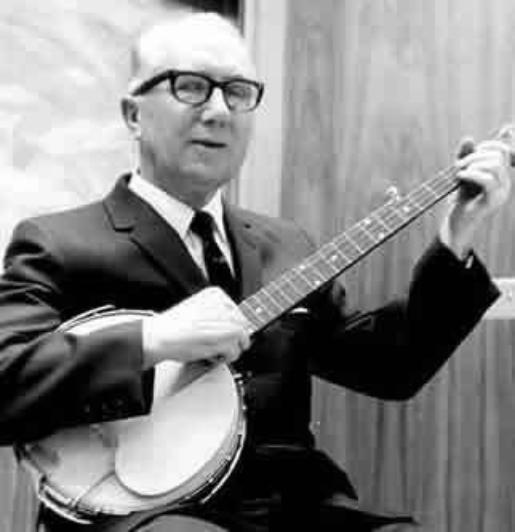
Like some of his mountain music peers, Proffitt was also a skilled banjo maker and traditional players are particularly fond of his fretless model. Spurning the innovations of modern banjo-making, Proffitt carried on the early American traditions of utilizing materials such as walnut and groundhog hide, the latter surely adding authenticity to performances of ditties such as "Groundhog." He remained committed to the ideals of old-time banjo music until the end, at one point voicing this wonderful opinion about the flashy technical playing of bluegrass legend Earl Scruggs: "I'd like to learn to play like that, and then not do it." His banjo business, the family farm purchased with the Kingston Trio's money, and the art of performing old-time music itself was passed down the line to one of his sons, Frank Proffitt Jr., who released the album Kickin' Up Dust on the Cloudlands label. ~ Eugene Chadbourne, Rovi
Viberate is a music analytics platform built for A&Rs, artist managers, labels, booking agents, marketers, and artists.
It helps music professionals track artist growth, analyze audience data, monitor playlist activity, compare artists, follow song performance, and identify opportunities across the music market.
Public artist pages provide a free preview of selected artist data. Paid plans provide access to deeper analytics, historical data, charts, comparisons, playlist tools, exports, alerts, reports, and additional professional features.
Yes. Public Viberate artist pages provide selected artist analytics and music data for free.
Viberate also offers a 7-day free trial of the full platform. A credit card is required to start the trial. The trial includes access to the complete product so users can test deeper artist analytics, historical views, playlist insights, comparisons, charts, exports, alerts, and reporting features before choosing a paid plan.
Viberate provides artist analytics across streaming, playlists, social media, video, radio airplay, songs, and audience markets.
Users can analyze Spotify performance, Spotify and Apple Music playlists, YouTube activity, TikTok and Instagram growth, radio spins, song performance, audience locations, demographics, rankings, and overall artist momentum.
Artist profiles also connect to music charts, similar artists, and comparison tools, helping users benchmark performance and evaluate artists in context.
Viberate updates key artist and track data daily.
For followed artists and tracks, selected data is refreshed multiple times per day. This helps teams monitor playlist changes, streaming movement, audience growth, releases, and campaign performance with more current data.
Update frequency can vary depending on the metric and data source.
Yes. Viberate lets users compare up to five artists side by side across streaming, social media, audience, and engagement metrics.
Users can compare fanbase growth, audience demographics, locations, Spotify performance, social metrics, and other artist data over selected time periods.
Artist comparison can be used for A&R scouting, benchmarking, booking decisions, campaign planning, and evaluating artists with similar audiences or market positions.