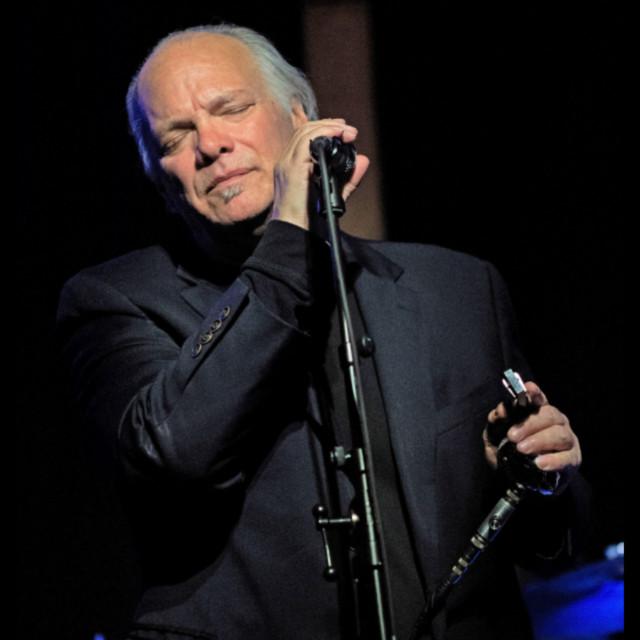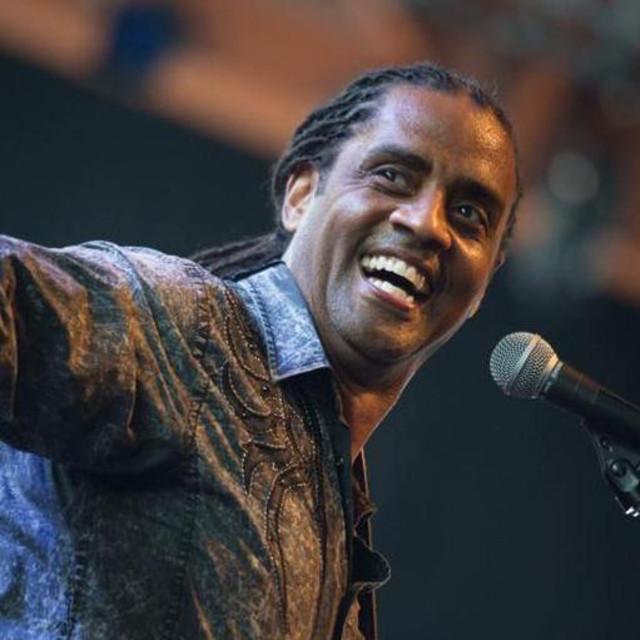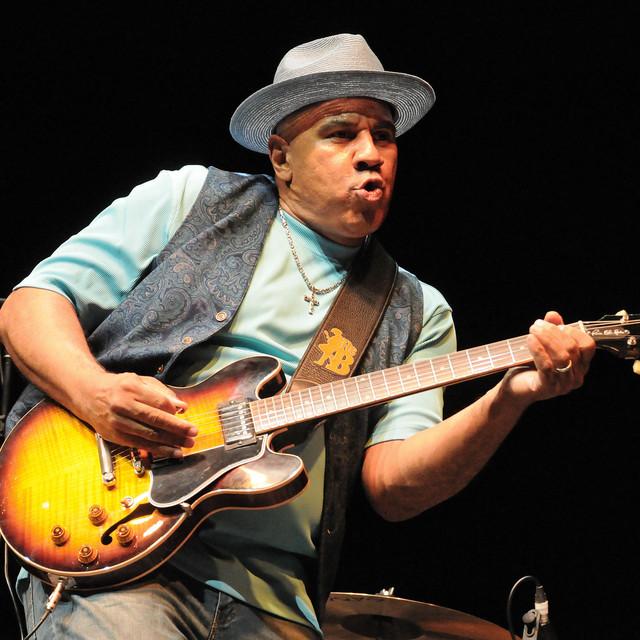
Ronnie Baker Brooks

Blues
Contemporary Blues
 Viberate Rank: 123870
 Viberate Rank: 123870
 Monthly ListenersFollowers
 Subscribers
 Followers
 Followers
 FansTop Spotify Songs
| Track | 7-Day Streams | |
|---|---|---|
1 | 26.64K | |
2 | 14.19K | |
3 | 7.63K | |
4 | 5.61K | |
5 | 5.15K |
Top YouTube VideosMonthly ListenersFeatured in Playlists| Playlist | Followers | |
|---|---|---|
1 |  Acoustic Blues Spotify | 873.83K |
2 |  Got Blues Spotify | 161.35K |
3 |  Greatest Blues Jared Kerkhof | 56.18K |
4 |  Blues Ballads/ Slow Blues Joar Fosså | 39.54K |
5 |  New Blues | Blues Rock | Americana 🎸 by Don's Tunes Don's Tunes | 28.52K |
Audience| City | Monthly Listeners | |
|---|---|---|
1 |  | 988 |
2 | | 828 |
3 | | 760 |
4 |  | 624 |
5 |  | 597 |
See full performance history, audience data, playlist activity, rankings, comparisons, and more in Viberate music analytics. Start with a free trial, then continue with a paid plan.
Ronnie Baker Brooks’ Spotify BioAs the son of legendary Chicago blues guitarist Lonnie Brooks, Ronnie Baker Brooks carries on the family tradition -- one that's also kept alive by his brother Wayne Baker Brooks. Ronnie picked up the guitar early and wound up playing bass in his father's touring band, but he didn't launch a solo recording career until 1998, when he released Golddigger just after his 30th birthday.
Brooks was born Rodney Dion Baker in Chicago, Illinois, on January 23, 1967. He made his first on-stage appearance with his father Lonnie at the age of nine, but he stayed in school, graduating from Hales Franciscan High School in 1985. The next year, Ronnie joined Lonnie's band playing bass, but moved to guitar by the time of the 1988 live album Live from Chicago: Bayou Lightning Strikes.
Over the next ten years, Brooks toured regularly -- usually with his father Lonnie and other Alligator artists -- and he transitioned to a headliner in 1992 when he appeared in place of his ailing father at the New Orleans… Jazz & Heritage Festival. Six years later came the 1998 release of Golddigger. It was the first of three albums Brooks released on Watchdog Records, and was followed by Take Me Witcha in 2001 and The Torch in 2006. Over the next decade, he continued to tour and play in his hometown of Chicago; he also produced Eddy Clearwater's 2008 album West Side Strut and co-wrote songs with Chris Beard for the singer's 2010 album Who Am I and What I Do. Brooks worked with producer Steve Jordan for the soul-infused 2017 album Times Have Changed, his first album in 11 years. Though he continued to tour the nation and the world, Brooks didn't record again for another seven years after signing with Chicago's Alligator Records. In October 2024, he returned with Blues in My DNA, his charting debut for the label. ~ Stephen Thomas Erlewine, Rovi
Viberate is a music analytics platform built for A&Rs, artist managers, labels, booking agents, marketers, and artists.
It helps music professionals track artist growth, analyze audience data, monitor playlist activity, compare artists, follow song performance, and identify opportunities across the music market.
Public artist pages provide a free preview of selected artist data. Paid plans provide access to deeper analytics, historical data, charts, comparisons, playlist tools, exports, alerts, reports, and additional professional features.
Yes. Public Viberate artist pages provide selected artist analytics and music data for free.
Viberate also offers a 7-day free trial of the full platform. A credit card is required to start the trial. The trial includes access to the complete product so users can test deeper artist analytics, historical views, playlist insights, comparisons, charts, exports, alerts, and reporting features before choosing a paid plan.
Viberate provides artist analytics across streaming, playlists, social media, video, radio airplay, songs, and audience markets.
Users can analyze Spotify performance, Spotify and Apple Music playlists, YouTube activity, TikTok and Instagram growth, radio spins, song performance, audience locations, demographics, rankings, and overall artist momentum.
Artist profiles also connect to music charts, similar artists, and comparison tools, helping users benchmark performance and evaluate artists in context.
Viberate updates key artist and track data daily.
For followed artists and tracks, selected data is refreshed multiple times per day. This helps teams monitor playlist changes, streaming movement, audience growth, releases, and campaign performance with more current data.
Update frequency can vary depending on the metric and data source.
Yes. Viberate lets users compare up to five artists side by side across streaming, social media, audience, and engagement metrics.
Users can compare fanbase growth, audience demographics, locations, Spotify performance, social metrics, and other artist data over selected time periods.
Artist comparison can be used for A&R scouting, benchmarking, booking decisions, campaign planning, and evaluating artists with similar audiences or market positions.