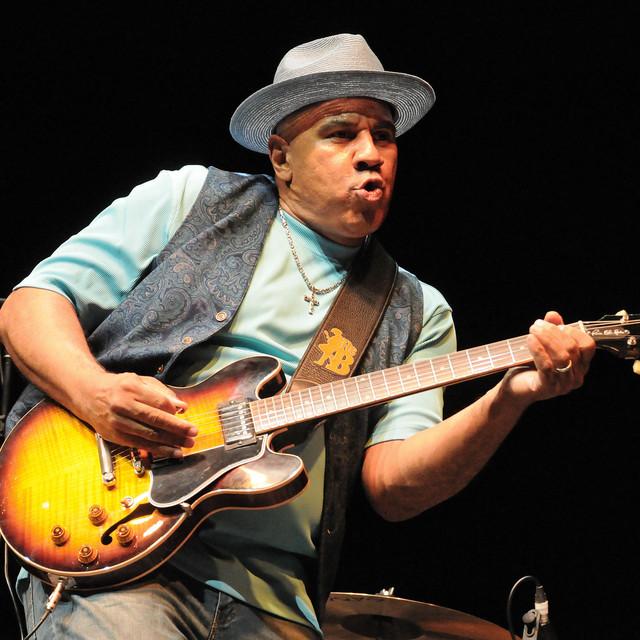
Mike Zito

Blues
Blues Rock
Contemporary Blues
 Viberate Rank: 89402
 Viberate Rank: 89402
 Monthly ListenersFollowers
 Subscribers
 Followers
 Followers
 FansTop Spotify Songs
| Track | 7-Day Streams | |
|---|---|---|
1 | 10.42K | |
2 | 5.52K | |
3 | 5.25K | |
4 | 4.96K | |
5 | 3.49K |
Top YouTube VideosMonthly ListenersFeatured in Playlists| Playlist | Followers | |
|---|---|---|
1 |  Acoustic Blues Spotify | 873.83K |
2 |  Funky Heavy Bluesy Spotify | 820.57K |
3 |  Blues Live & Loud Spotify | 208.43K |
4 |  Got Blues Spotify | 161.35K |
5 |  Whiskey Blues 🥃 Тhe Original | The Best Slow Blues / Blues Rock Don's Tunes | 85.92K |
Audience| City | Monthly Listeners | |
|---|---|---|
1 |  | 1.17K |
2 | | 1.09K |
3 | | 848 |
4 |  | 733 |
5 |  | 725 |
See full performance history, audience data, playlist activity, rankings, comparisons, and more in Viberate music analytics. Start with a free trial, then continue with a paid plan.
Mike Zito’s Spotify BioGuitarist Mike Zito was born in St. Louis, Missouri on November 19, 1970. He got his start in music by singing at local events at a young age. As a teenager he picked up the guitar and began playing regularly around his hometown. By 2008, Zito was releasing records on his own self-titled label while touring the U.S; 2008 was also the year he signed with Eclecto Groove Records and released Today. Pearl River was released the following year, and Zito was awarded Song of the Year at the 2010 Blues Music Awards for the title track off that album.
Zito released his final session on Eclecto Groove, Greyhound, in 2011. A track taken from that session, "Roll On," was featured on the TV show Sons of Anarchy. Also in 2011, Zito formed Royal Southern Brotherhood with Cyril Neville, guitarist Devon Allman (son of Gregg Allman), bassist Charlie Wooton (of Zydefunk), and Yonrico Scott (former drummer for the Derek Trucks Band). The group released its self-titled debut album on the Ruf label in 2012.
I…n 2013, Zito featured his new backing band the Wheel on the studio album Gone to Texas. Well-received, the album garnered a Blues Music Award nomination for "Rock Blues Album of the Year." The Wheel were also on board for the guitarist's Songs from the Road in 2014. In 2016, Zito delivered the Tom Hambridge-produced Make Blues Not War, and two years later he delivered First Class Life, which debuted at number one on Billboard's Top Blues Albums Chart. 2019 brought two more full-length releases from the prolific Zito, starting with the concert set Live from the Top, followed by the guest-heavy Rock n' Roll: A Tribute to Chuck Berry, which featured Sonny Landreth, Joe Bonamassa, Walter Trout, and many others. ~ Al Campbell, Rovi
Viberate is a music analytics platform built for A&Rs, artist managers, labels, booking agents, marketers, and artists.
It helps music professionals track artist growth, analyze audience data, monitor playlist activity, compare artists, follow song performance, and identify opportunities across the music market.
Public artist pages provide a free preview of selected artist data. Paid plans provide access to deeper analytics, historical data, charts, comparisons, playlist tools, exports, alerts, reports, and additional professional features.
Yes. Public Viberate artist pages provide selected artist analytics and music data for free.
Viberate also offers a 7-day free trial of the full platform. A credit card is required to start the trial. The trial includes access to the complete product so users can test deeper artist analytics, historical views, playlist insights, comparisons, charts, exports, alerts, and reporting features before choosing a paid plan.
Viberate provides artist analytics across streaming, playlists, social media, video, radio airplay, songs, and audience markets.
Users can analyze Spotify performance, Spotify and Apple Music playlists, YouTube activity, TikTok and Instagram growth, radio spins, song performance, audience locations, demographics, rankings, and overall artist momentum.
Artist profiles also connect to music charts, similar artists, and comparison tools, helping users benchmark performance and evaluate artists in context.
Viberate updates key artist and track data daily.
For followed artists and tracks, selected data is refreshed multiple times per day. This helps teams monitor playlist changes, streaming movement, audience growth, releases, and campaign performance with more current data.
Update frequency can vary depending on the metric and data source.
Yes. Viberate lets users compare up to five artists side by side across streaming, social media, audience, and engagement metrics.
Users can compare fanbase growth, audience demographics, locations, Spotify performance, social metrics, and other artist data over selected time periods.
Artist comparison can be used for A&R scouting, benchmarking, booking decisions, campaign planning, and evaluating artists with similar audiences or market positions.