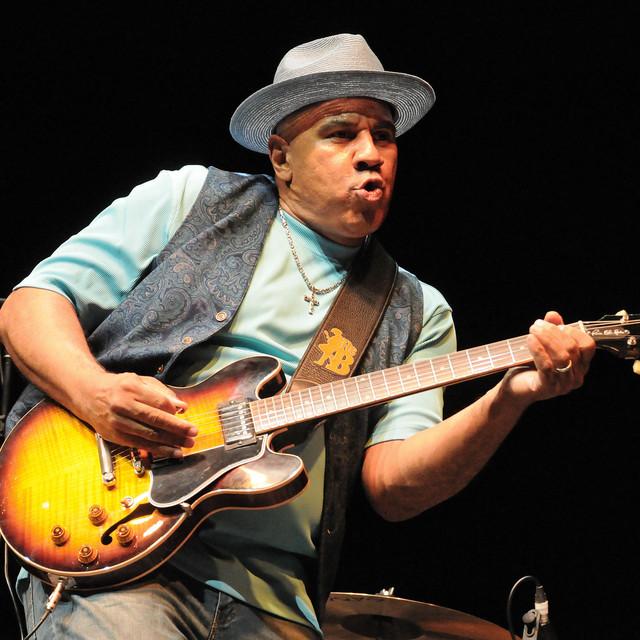
Trampled Under Foot

Blues
Blues Rock
Contemporary Blues
 Viberate Rank: 151347
 Viberate Rank: 151347
 Monthly ListenersFollowers
 Subscribers
 Followers
 Followers
 FansTop Spotify Songs
| Track | 7-Day Streams | |
|---|---|---|
1 | 12.45K | |
2 | 5.71K | |
3 | 3.46K | |
4 | 3.44K | |
5 | 3.29K |
Top YouTube VideosMonthly ListenersFeatured in Playlists| Playlist | Followers | |
|---|---|---|
1 |  Slow Blues & Blues Rock | Don's Tunes Don's Tunes | 19.74K |
2 |  The Best Female Blues & Jazz Vocals | Don's Tunes Don's Tunes | 14.93K |
3 | Best of Rythm and Blues jormanspotify | 10.43K |
4 |  Keeping The Blues Alive Joe Bonamassa | 10.32K |
5 | Blues, Rock and more @miguelregueira | 9.71K |
Audience| City | Monthly Listeners | |
|---|---|---|
1 |  | 593 |
2 | | 528 |
3 | | 476 |
4 |  | 458 |
5 | | 385 |
See full performance history, audience data, playlist activity, rankings, comparisons, and more in Viberate music analytics. Start with a free trial, then continue with a paid plan.
Trampled Under Foot’s Spotify BioThe soul blues trio Trampled Under Foot consists of siblings Danielle Schnebelen (lead vocals and bass), Nick Schnebelen (guitars and vocals) and Kris Schnebelen, (drums). They grew up with the blues in Kansas City. Their father, Bill, was a blues guitarist in the band Little Eva and would regularly take his three children to jam sessions. Growing up, the siblings played separately in numerous bands over the years. Danielle was in Fresh Brew (1999-2004), Kris was a staple at blues clubs, and Nick was in Killing Floor (or K-Floor), and briefly, Buddahead. Missing the family camaraderie, the siblings formed Trampled Under Foot in 2000. The band released four studio sessions: Trampled Under Foot (2006), May I Be Excused in (2008), and Wrong Side of the Blues in (2011). They also issued Live at the Notodden Blues Festival in 2010. The combination of those releases and non-stop touring caught the attention of the jazz and blues label Telarc, who signed the band in 2013. They issued their… fifth studio album, Badlands, that same year. ~ Al Campbell, Rovi
Viberate is a music analytics platform built for A&Rs, artist managers, labels, booking agents, marketers, and artists.
It helps music professionals track artist growth, analyze audience data, monitor playlist activity, compare artists, follow song performance, and identify opportunities across the music market.
Public artist pages provide a free preview of selected artist data. Paid plans provide access to deeper analytics, historical data, charts, comparisons, playlist tools, exports, alerts, reports, and additional professional features.
Yes. Public Viberate artist pages provide selected artist analytics and music data for free.
Viberate also offers a 7-day free trial of the full platform. A credit card is required to start the trial. The trial includes access to the complete product so users can test deeper artist analytics, historical views, playlist insights, comparisons, charts, exports, alerts, and reporting features before choosing a paid plan.
Viberate provides artist analytics across streaming, playlists, social media, video, radio airplay, songs, and audience markets.
Users can analyze Spotify performance, Spotify and Apple Music playlists, YouTube activity, TikTok and Instagram growth, radio spins, song performance, audience locations, demographics, rankings, and overall artist momentum.
Artist profiles also connect to music charts, similar artists, and comparison tools, helping users benchmark performance and evaluate artists in context.
Viberate updates key artist and track data daily.
For followed artists and tracks, selected data is refreshed multiple times per day. This helps teams monitor playlist changes, streaming movement, audience growth, releases, and campaign performance with more current data.
Update frequency can vary depending on the metric and data source.
Yes. Viberate lets users compare up to five artists side by side across streaming, social media, audience, and engagement metrics.
Users can compare fanbase growth, audience demographics, locations, Spotify performance, social metrics, and other artist data over selected time periods.
Artist comparison can be used for A&R scouting, benchmarking, booking decisions, campaign planning, and evaluating artists with similar audiences or market positions.