Rockpile

Rock
Pop Rock
Power Pop
 Viberate Rank: 173051
 Viberate Rank: 173051
 Monthly ListenersFollowers
 Subscribers
 Followers
 Followers
 FansTop Spotify Songs
| Track | 7-Day Streams | |
|---|---|---|
1 | 2.10K | |
2 | 1.90K | |
3 | 604 | |
4 | 527 | |
5 | 482 |
Top YouTube VideosMonthly ListenersFeatured in Playlists| Playlist | Followers | |
|---|---|---|
1 | Classic Rock Greatest Hits Scott Pruden | 341.40K |
2 |  Power Pop Spotify | 165.56K |
3 |  Every Track Star* Song Track Star* | 36.85K |
4 |  Halt and Catch Fire Dudu Torres | 16.00K |
5 |  Ultimate Party Mix – All Genres (500+ Hours) Void | 7.37K |
Audience| City | Monthly Listeners | |
|---|---|---|
1 |  | 397 |
2 | | 354 |
3 | | 241 |
4 | | 234 |
5 | | 213 |
See full performance history, audience data, playlist activity, rankings, comparisons, and more in Viberate music analytics. Start with a free trial, then continue with a paid plan.
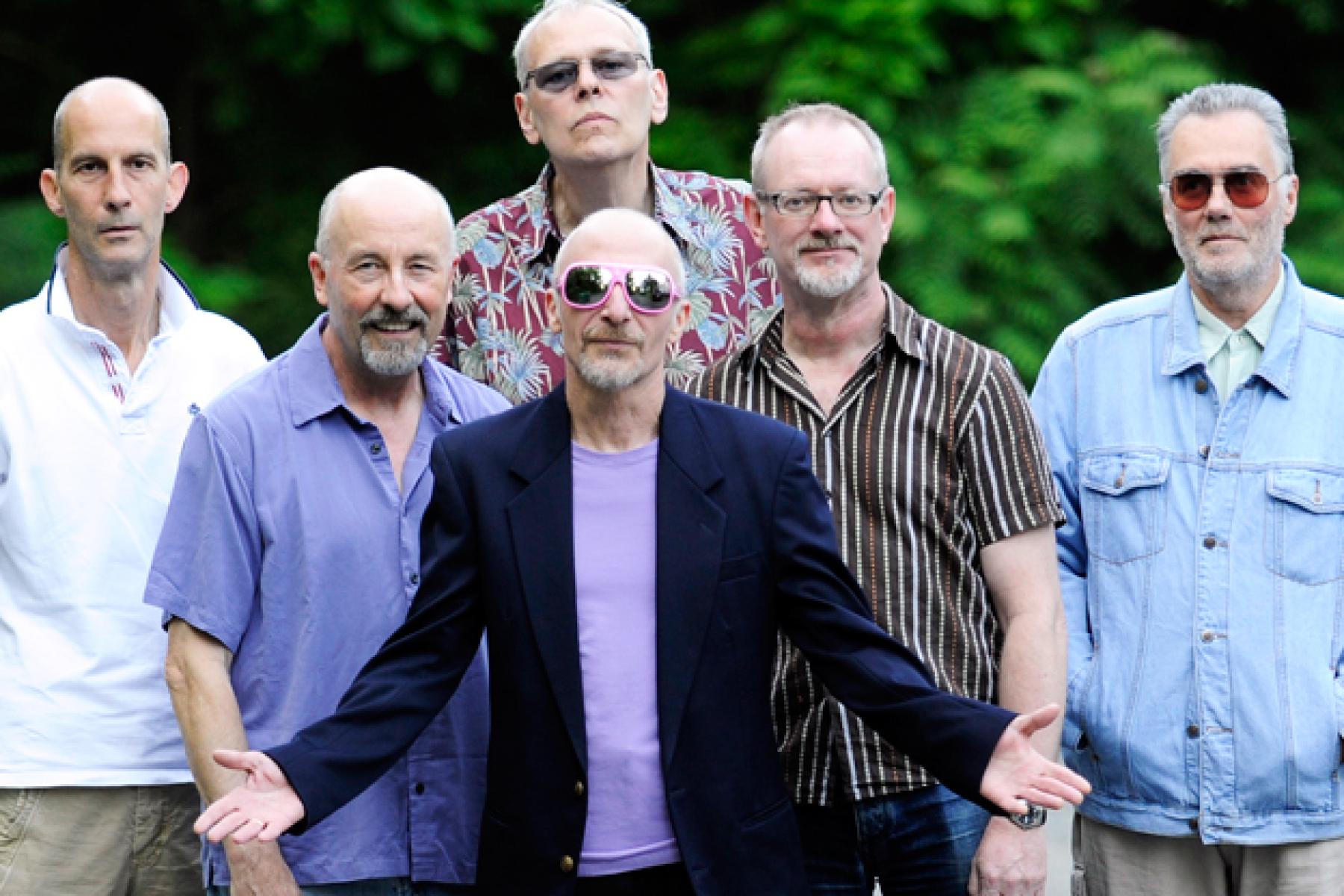
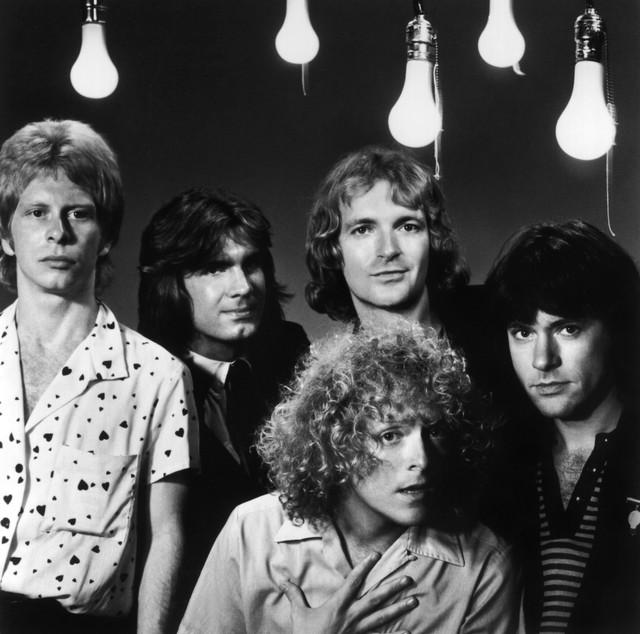
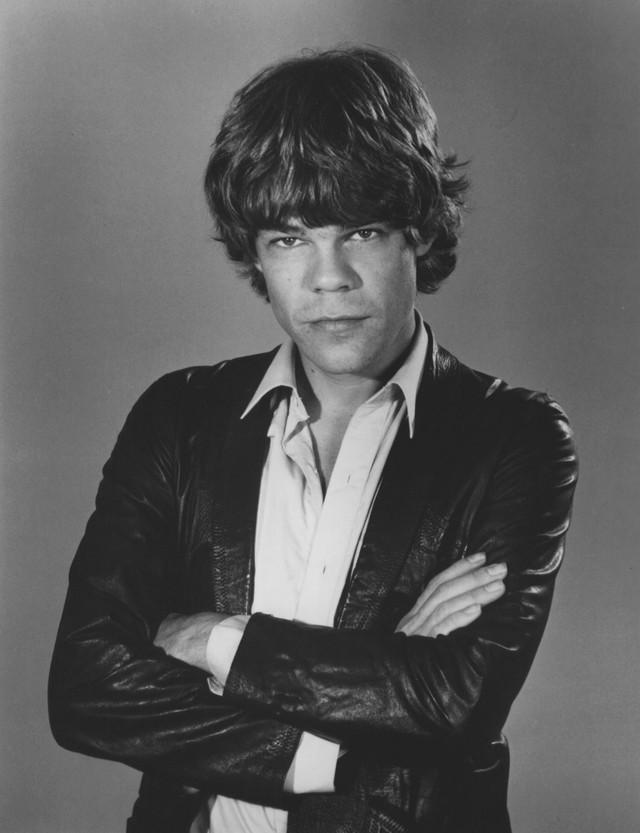
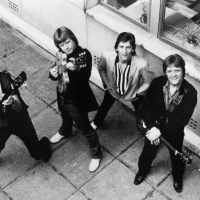
Rockpile’s Spotify BioDuring the late '70s, Rockpile was the touring band for both Dave Edmunds and Nick Lowe. Like Edmunds, the band was passionate about traditional rock & roll. Like Lowe, the band played with a reckless, trashy abandon. Driven by the powerful rhythm section of drummer Terry Williams and Lowe's bass, guitarists Billy Bremner and Edmunds were free to spit out crushing rock, blues, rockabilly, and country licks. With their fierce live energy and unpretentious rock & roll, the band fit easily into the post-punk new wave at the end of the decade.
Although they only released one album as a group -- 1980's Seconds of Pleasure -- the band provided support for most of the albums Lowe and Edmunds recorded in the late '70s. After the rushed release of Seconds of Pleasure, the band toured one last time before splitting apart, largely due to mismanagement. All of the members continued to occasionally collaborate with each other throughout the '80s. ~ Stephen Thomas Erlewine, Rovi
Viberate is a music analytics platform built for A&Rs, artist managers, labels, booking agents, marketers, and artists.
It helps music professionals track artist growth, analyze audience data, monitor playlist activity, compare artists, follow song performance, and identify opportunities across the music market.
Public artist pages provide a free preview of selected artist data. Paid plans provide access to deeper analytics, historical data, charts, comparisons, playlist tools, exports, alerts, reports, and additional professional features.
Yes. Public Viberate artist pages provide selected artist analytics and music data for free.
Viberate also offers a 7-day free trial of the full platform. A credit card is required to start the trial. The trial includes access to the complete product so users can test deeper artist analytics, historical views, playlist insights, comparisons, charts, exports, alerts, and reporting features before choosing a paid plan.
Viberate provides artist analytics across streaming, playlists, social media, video, radio airplay, songs, and audience markets.
Users can analyze Spotify performance, Spotify and Apple Music playlists, YouTube activity, TikTok and Instagram growth, radio spins, song performance, audience locations, demographics, rankings, and overall artist momentum.
Artist profiles also connect to music charts, similar artists, and comparison tools, helping users benchmark performance and evaluate artists in context.
Viberate updates key artist and track data daily.
For followed artists and tracks, selected data is refreshed multiple times per day. This helps teams monitor playlist changes, streaming movement, audience growth, releases, and campaign performance with more current data.
Update frequency can vary depending on the metric and data source.
Yes. Viberate lets users compare up to five artists side by side across streaming, social media, audience, and engagement metrics.
Users can compare fanbase growth, audience demographics, locations, Spotify performance, social metrics, and other artist data over selected time periods.
Artist comparison can be used for A&R scouting, benchmarking, booking decisions, campaign planning, and evaluating artists with similar audiences or market positions.