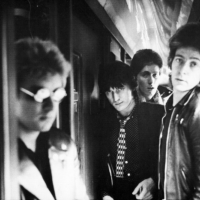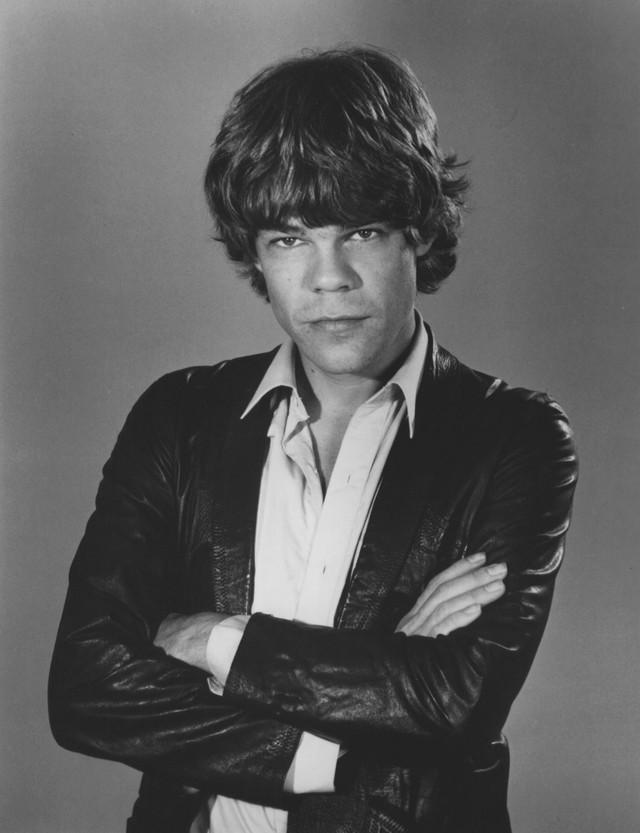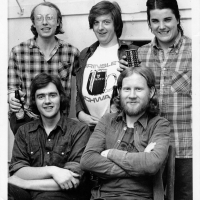
Brinsley Schwarz

Rock
Alternative Rock
Power Pop
 Viberate Rank: 219212
 Viberate Rank: 219212
 Monthly ListenersFollowers
 Subscribers
 Followers
 Followers
 FansTop Spotify Songs
| Track | 7-Day Streams | |
|---|---|---|
1 | 2.53K | |
2 | 1.60K | |
3 | 1.24K | |
4 | 399 | |
5 | 208 |
Top YouTube VideosMonthly ListenersFeatured in Playlists| Playlist | Followers | |
|---|---|---|
1 |  Power Pop Spotify | 165.57K |
2 |  Fall (Numero Group) Numero Group Concierge | 15.36K |
3 |  Glastonbury 2019 RM | 14.13K |
4 |  Psychedelic Rock Aryna Livadari | 10.95K |
5 | Originals that are less Famous than the Cover Versions Auke Riemersma | 10.67K |
Audience| City | Monthly Listeners | |
|---|---|---|
1 | | 376 |
2 |  | 285 |
3 |  | 219 |
4 | | 198 |
5 |  | 193 |
See full performance history, audience data, playlist activity, rankings, comparisons, and more in Viberate music analytics. Start with a free trial, then continue with a paid plan.
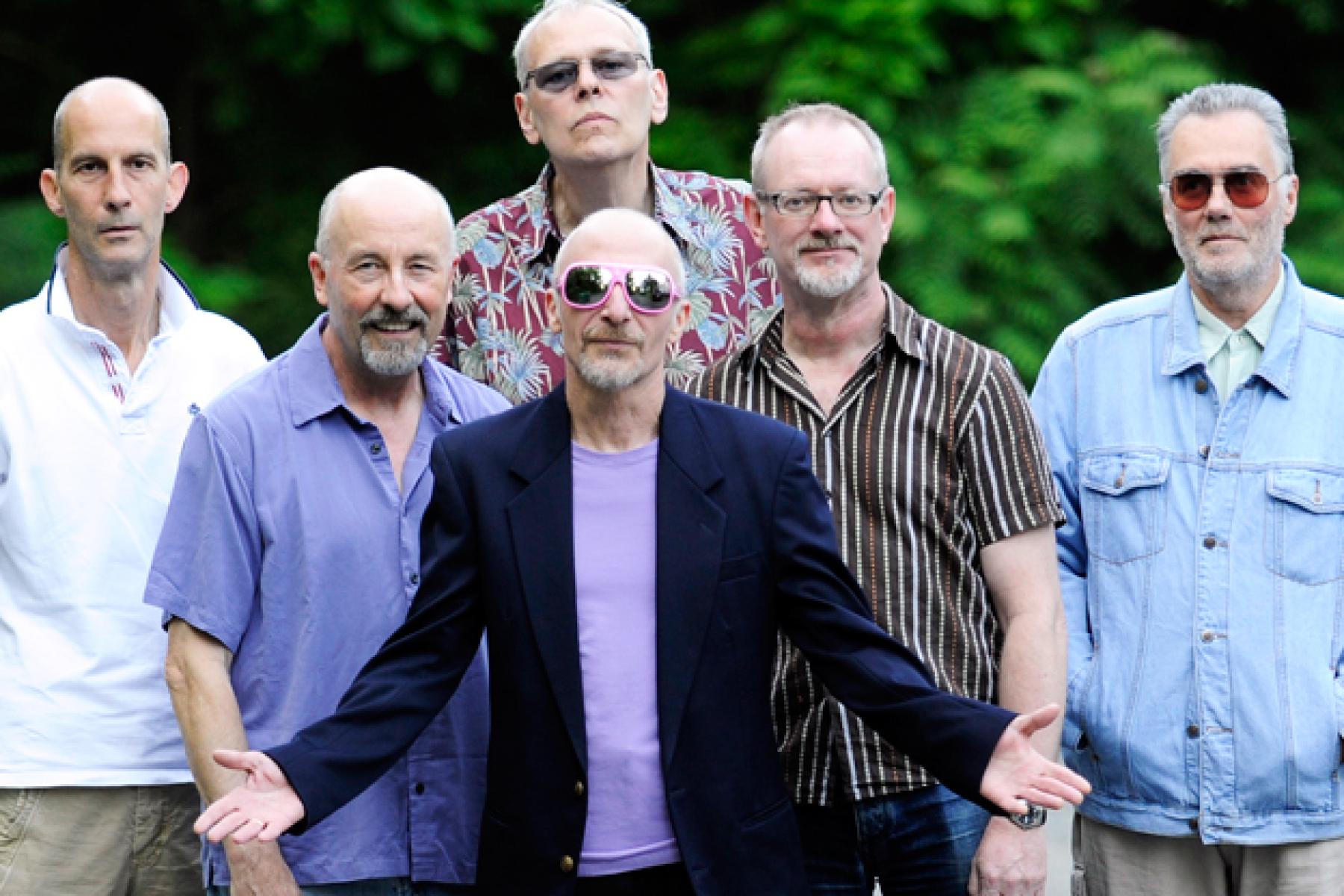
Brinsley Schwarz’s Spotify BioPub rock, the English roots rock movement of the early '70s, would never have earned a cult following if it wasn't for Brinsley Schwarz. Initially, Brinsley Schwarz was a rambling, neo-psychedelic folk-rock band that borrowed heavily from Crosby, Stills & Nash and the Grateful Dead. Following a disastrous publicity stunt to promote its debut album, the band went into seclusion outside of London and developed a laid-back, rootsy sound inspired by Eggs Over Easy, an American band that had been playing a mixture of originals and covers in English pubs. Following their conversion to pub rock, the Brinsleys ditched their pretensions of stardom and became a down to earth, self-effacing rock & roll band. Between 1971 and 1974, Brinsley Schwarz toured England innumerable times, playing pubs across the country. Along the way, they established a circuit for similar bands like Dr. Feelgood and Ducks Deluxe to follow. Though the group was nominally guitarist Brinsley Schwarz's band, bassist/lead… vocalist Nick Lowe provided the bulk of the group's songs. Lowe developed a distinctive songwriting voice -- conversational, melodic, offbeat, and funny -- and the band was infused with his skewed sense of humor. Despite strong reviews and a dedicated fan base, the Brinsleys never managed to escape cult status, yet they influenced a legion of other artists, creating an underground, back-to-basics movement that laid the foundation for punk rock.
Brinsley Schwarz didn't plan to start a grassroots movement -- the bandmembers wanted to be stars. Lowe and Schwarz had already spent several years in Kippington Lodge, a Tunbridge Wells-based guitar pop group that released five singles on Parlophone during the mid-'60s to no success. By 1968, the members of Kippington Lodge were beginning to feel restless with their straight-ahead pop/rock and were eager to explore psychedelia. Keyboardist Bob Andrews joined the band later that year and drummer Billy Rankin came aboard in the fall of 1969. By that time, Kippington Lodge had completely revamped its musical style, evolving into a folk-rock band with psychedelic pretensions and appropriately changing its name to Brinsley Schwarz after the group's lead guitarist. Ironically, it was around this time that Lowe became the band's lead singer and primary songwriter.
Within a few months, Brinsley Schwarz had come to the attention of Dave Robinson, a fledging rock & roll manager who had founded the Famepushers Agency. Robinson developed a complex scheme to elevate Brinsley Schwarz to stardom. According to his plan, the Brinsleys would play an opening set for Van Morrison at the Fillmore East in New York in the spring of 1970, and he would fly all of the leading rock journalists to America to review the show. Late in 1969, Brinsley Schwarz signed a record contract with United Artists, and the band financed the publicity stunt with its advance. The group planned to leave a few days before the show in order to rehearse, but the Brinsleys were denied visas on a technicality. They were finally given visas on the morning of the show, and arrived in New York hours before the concert. Back in Britain, the journalists ran into trouble, as their plane developed a mechanical fault, delaying the flight for four hours. When the journalists arrived at the Fillmore 18 hours later, they were either drunk or hung over. When Brinsley Schwarz finally hit the stage, the band gave a competent but underwhelming performance, setting the stage for a flood of scathing reviews for both the concert and the eponymously titled debut album, which appeared weeks after the showcase.
Reeling from the Fillmore fiasco, the group rented a house outside of London and spent days and nights playing music. By the end of 1970, the Brinsleys released a second album, Despite It All, which indicated that they were evolving into a country-rock outfit; guitarist/vocalist Ian Gomm joined the band at the end of the sessions for the record. For much of 1971, Brinsley Schwarz rehearsed, developing a blend of country, folk, R&B, and rock & roll that was largely inspired by the Byrds, Van Morrison, and the Band, as well as Eggs Over Easy, which the group met at the Tally Ho pub in Kentish Town. Silver Pistol, released early in 1972, demonstrated a new versatility, but the group truly flexed its muscles in concert, particularly during regular concerts at the Tally Ho. Soon, they had built a small but loyal following, and a number of likeminded bands began playing the same circuit. Eventually, this grassroots phenomenon came to the attention of the U.K. press, which dubbed the groups' style as "pub rock" and proclaimed Brinsley Schwarz as the style's leaders.
Nervous on the Road, released in the fall of 1972, was Brinsley Schwarz's best-reviewed album to date, and while it didn't chart, it helped the group land an opening slot for Paul McCartney. Throughout 1973, the Brinsleys toured constantly, not only playing pubs, but also colleges. As a result, they weren't able to record frequently, which hurt their already weak recording career. In an attempt to land a hit, the band released a series of non-album singles, none of which charted; they were compiled for the Please Don't Ever Change album, which was released in late 1973. Early the following year, the group cut its fifth album with producer Dave Edmunds. Released in the summer of 1974, New Favourites of Brinsley Schwarz was more polished than the band's previous albums, yet the record failed to generate any sales. The group continued for nearly another year, turning out a handful of singles under other names, before deciding to call it a day in the spring of 1975. Following the band's demise, Schwarz and Andrews became members of Graham Parker's backing band, the Rumour. Gomm pursued a solo career; Rankin played with Terraplane and Big Jim Sullivan's Tiger before retiring from music. Lowe became a successful solo artist and producer, scoring his biggest hit in 1980 with "Cruel to Be Kind," a Brinsley leftover that the band never released.
The first extensive dive into Brinsley Schwarz's catalog arrived in 1991, when EMI released the compilation Surrender to the Rhythm. Edsel released Hen's Teeth, a collection that balanced their early recordings as Kippington Lodge with non-LP singles, in 1998. It's All Over Now, the band's scrapped final album, saw the light of day in 2017 and was also featured as part of Thinking Back: The Anthology 1970-1975, a seven-disc box from Cherry Red in 2023. ~ Stephen Thomas Erlewine, Rovi
Viberate is a music analytics platform built for A&Rs, artist managers, labels, booking agents, marketers, and artists.
It helps music professionals track artist growth, analyze audience data, monitor playlist activity, compare artists, follow song performance, and identify opportunities across the music market.
Public artist pages provide a free preview of selected artist data. Paid plans provide access to deeper analytics, historical data, charts, comparisons, playlist tools, exports, alerts, reports, and additional professional features.
Yes. Public Viberate artist pages provide selected artist analytics and music data for free.
Viberate also offers a 7-day free trial of the full platform. A credit card is required to start the trial. The trial includes access to the complete product so users can test deeper artist analytics, historical views, playlist insights, comparisons, charts, exports, alerts, and reporting features before choosing a paid plan.
Viberate provides artist analytics across streaming, playlists, social media, video, radio airplay, songs, and audience markets.
Users can analyze Spotify performance, Spotify and Apple Music playlists, YouTube activity, TikTok and Instagram growth, radio spins, song performance, audience locations, demographics, rankings, and overall artist momentum.
Artist profiles also connect to music charts, similar artists, and comparison tools, helping users benchmark performance and evaluate artists in context.
Viberate updates key artist and track data daily.
For followed artists and tracks, selected data is refreshed multiple times per day. This helps teams monitor playlist changes, streaming movement, audience growth, releases, and campaign performance with more current data.
Update frequency can vary depending on the metric and data source.
Yes. Viberate lets users compare up to five artists side by side across streaming, social media, audience, and engagement metrics.
Users can compare fanbase growth, audience demographics, locations, Spotify performance, social metrics, and other artist data over selected time periods.
Artist comparison can be used for A&R scouting, benchmarking, booking decisions, campaign planning, and evaluating artists with similar audiences or market positions.