David Johansen

Rock
Folk Rock
Hard Rock
 Viberate Rank: 215291
 Viberate Rank: 215291
 Monthly ListenersFollowers
 Subscribers
 Followers
 Followers
 FansTop Spotify Songs
| Track | 7-Day Streams | |
|---|---|---|
1 | 1.01K | |
2 | 986 | |
3 | 706 | |
4 | 529 | |
5 | 413 |
Top YouTube VideosMonthly ListenersFeatured in Playlists| Playlist | Followers | |
|---|---|---|
1 |  Whiskey Blues 🥃 Тhe Original | The Best Slow Blues / Blues Rock Don's Tunes | 85.92K |
2 |  SWING DANCE - LINDY HOP - The best playlist - LOLA VAN Josep Anton Sr Escarlata | 44.61K |
3 | Unofficial Reverb Radio Jeff Ferruzzo | 21.82K |
4 |  Centaurworld S1 & S2 junebug! | 19.88K |
5 | 20s 30s 40s Music Sean McKenzie | 16.82K |
Audience| City | Monthly Listeners | |
|---|---|---|
1 | | 237 |
2 |  | 162 |
3 | | 155 |
4 | | 152 |
5 |  | 137 |
See full performance history, audience data, playlist activity, rankings, comparisons, and more in Viberate music analytics. Start with a free trial, then continue with a paid plan.
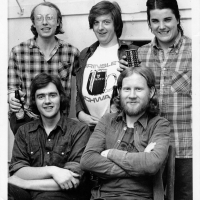
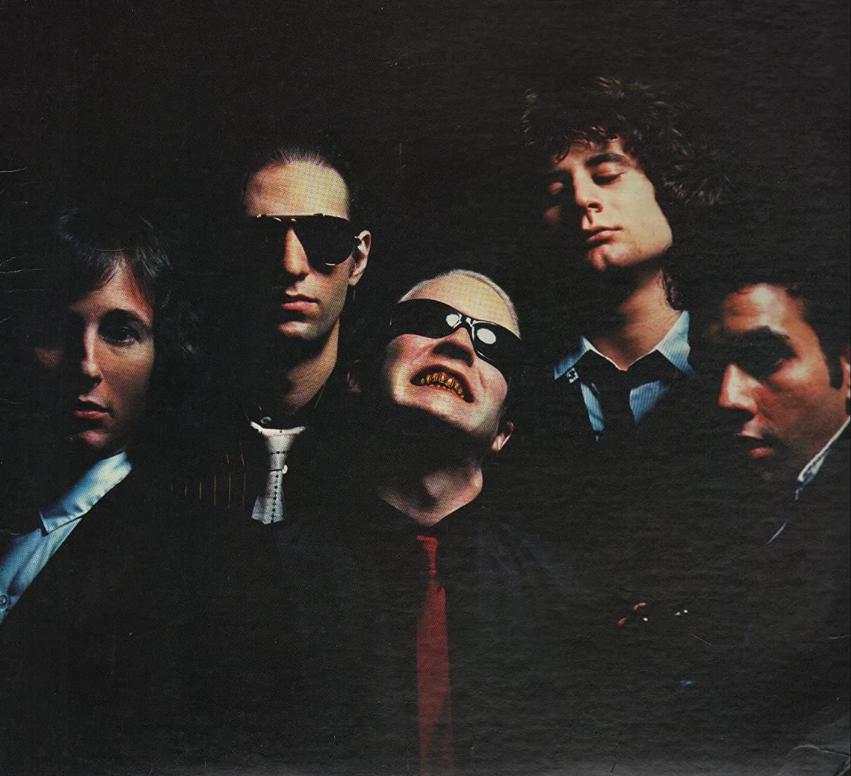
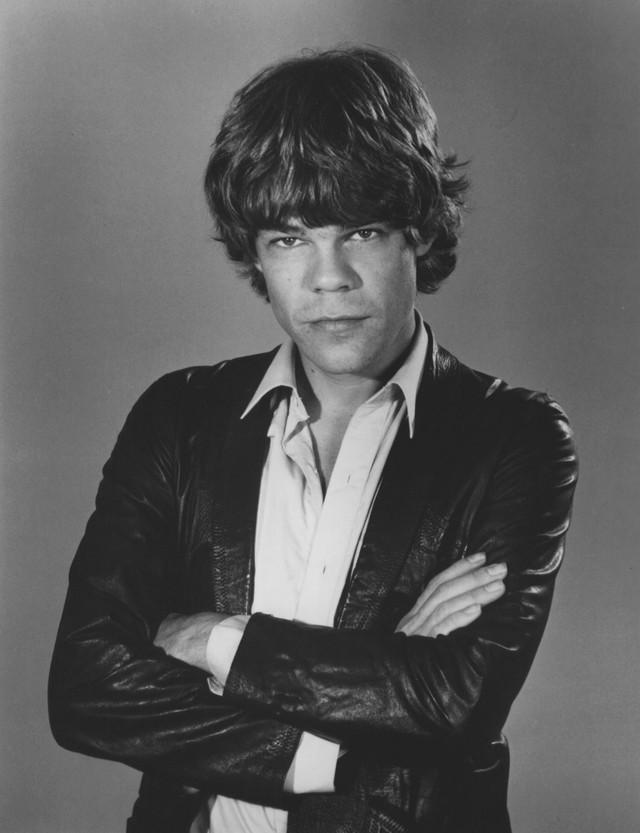
David Johansen’s Spotify BioBest known for his tenure fronting the hugely influential New York Dolls, David Johansen was a true chameleon; throughout the course of a career which saw him transform from a lipstick-smeared proto-punk hero into an urbane blue-eyed soul man and finally into a tuxedo-clad lounge lizard, he remained a rock & roll original, an unpredictable iconoclast and a true cultural innovator. Born January 9, 1950, in Staten Island, NY, Johansen joined his first band, the Vagabond Missionaries, in his mid-teens. A tenure with Fast Eddie & the Electric Japs, as well as an attempt to mount a career as a theatrical actor, followed before a club-hopping Johansen met bassist Arthur Kane, who extended an invitation to join his band, Actress. After changing their name to the New York Dolls, the group began building a notorious reputation for their menacing, edgy music, drug-fueled lifestyle, and outrageously campy, drag queen-inspired glam image; although neither their eponymous 1973 debut nor 1974's Too… Much Too Soon even cracked the Top 100, the Dolls established an enduring cult following, and their influence on the rise of punk was unmistakable.
The Dolls officially broke up in 1975, although Johansen and guitarist Syl Sylvain continued performing under the group's name for two more years. Finally, in 1977, Johansen entered the recording studio with his support group, the Staten Island Boys, to cut his self-titled solo debut; while it sold no better than the Dolls' records, it did renew the critics' love affair with the singer and his gritty, soulful voice. With producer Mick Ronson, he returned in 1979 with the Motown-influenced In Style, followed in 1981 by the commercial-minded Here Comes the Night. While 1982's concert set Live It Up won some airplay for its medley of the Animals hits "We Gotta Get Out of This Place," "It's My Life," and "Don't Bring Me Down," Johansen was forced to reassess his career when 1984's dance-flavored Sweet Revenge tanked. At the end of 1984 he resurfaced in the pompadoured guise of Buster Poindexter, a supposed ethnomusicologist armed with an expansive knowledge of R&B chestnuts. After debuting the Buster character at a series of mid-'80s downtown New York loft gigs with the Uptown Horns, Johansen continued honing the identity in the piano bars of Manhattan, establishing a lounge swinger persona which predated the lounge-kitsch revival of the mid-'90s by a decade.
As Poindexter's popularity grew, he began fronting a large band dubbed the Banshees in Blue and building a devoted following on the New York club circuit. In 1987, he issued an LP, Buster Poindexter, which featured the party classic "Hot Hot Hot," an effervescent cover of an obscure 1984 soca hit. In addition to reviving Johansen's career as a musical performer, Buster also renewed his long-dormant acting bug, and he was tapped to co-star in the 1988 features Married to the Mob and Scrooged. The character remained Johansen's focus in subsequent years as well, as evidenced by the albums Buster Goes Berserk in 1989 and Buster's Happy Hour in 1994. He maintained a relatively low profile in the years prior to the spring 2000 release of David Johansen & the Harry Smiths. ~ Jason Ankeny, Rovi
Viberate is a music analytics platform built for A&Rs, artist managers, labels, booking agents, marketers, and artists.
It helps music professionals track artist growth, analyze audience data, monitor playlist activity, compare artists, follow song performance, and identify opportunities across the music market.
Public artist pages provide a free preview of selected artist data. Paid plans provide access to deeper analytics, historical data, charts, comparisons, playlist tools, exports, alerts, reports, and additional professional features.
Yes. Public Viberate artist pages provide selected artist analytics and music data for free.
Viberate also offers a 7-day free trial of the full platform. A credit card is required to start the trial. The trial includes access to the complete product so users can test deeper artist analytics, historical views, playlist insights, comparisons, charts, exports, alerts, and reporting features before choosing a paid plan.
Viberate provides artist analytics across streaming, playlists, social media, video, radio airplay, songs, and audience markets.
Users can analyze Spotify performance, Spotify and Apple Music playlists, YouTube activity, TikTok and Instagram growth, radio spins, song performance, audience locations, demographics, rankings, and overall artist momentum.
Artist profiles also connect to music charts, similar artists, and comparison tools, helping users benchmark performance and evaluate artists in context.
Viberate updates key artist and track data daily.
For followed artists and tracks, selected data is refreshed multiple times per day. This helps teams monitor playlist changes, streaming movement, audience growth, releases, and campaign performance with more current data.
Update frequency can vary depending on the metric and data source.
Yes. Viberate lets users compare up to five artists side by side across streaming, social media, audience, and engagement metrics.
Users can compare fanbase growth, audience demographics, locations, Spotify performance, social metrics, and other artist data over selected time periods.
Artist comparison can be used for A&R scouting, benchmarking, booking decisions, campaign planning, and evaluating artists with similar audiences or market positions.