Off Broadway

Rock
Pop Rock
Power Pop
 Viberate Rank: 341314
 Viberate Rank: 341314
 Monthly ListenersFollowers
 Subscribers
 Followers
 Followers
 FansTop Spotify Songs
| Track | 7-Day Streams | |
|---|---|---|
1 | 640 | |
2 | 546 | |
3 | 141 | |
4 | 108 | |
5 | 92 |
Top YouTube VideosMonthly ListenersFeatured in Playlists| Playlist | Followers | |
|---|---|---|
1 | POWER POP Hayley Grimes | 3.41K |
2 |  Early Music Television (Mtv 80's Hits) Abraham Velazquez | 3.07K |
3 | San Francisco jackie | 2.86K |
4 |  History of Power Pop Luthercal | 2.00K |
5 | MTV's Greatest Hits of the Early 80s SgPepr | 1.91K |
Audience| City | Monthly Listeners | |
|---|---|---|
1 | | 579 |
2 | | 227 |
3 | | 102 |
4 | | 44 |
5 | | 39 |
See full performance history, audience data, playlist activity, rankings, comparisons, and more in Viberate music analytics. Start with a free trial, then continue with a paid plan.
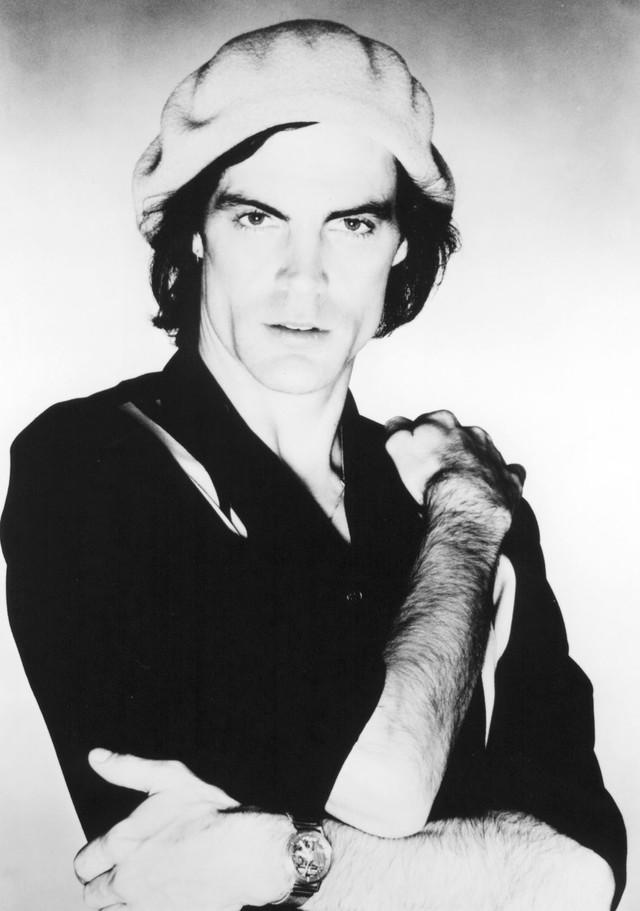
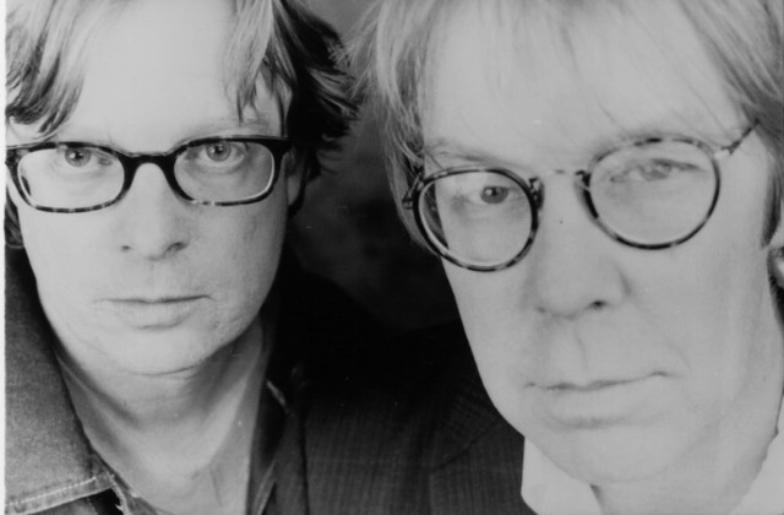
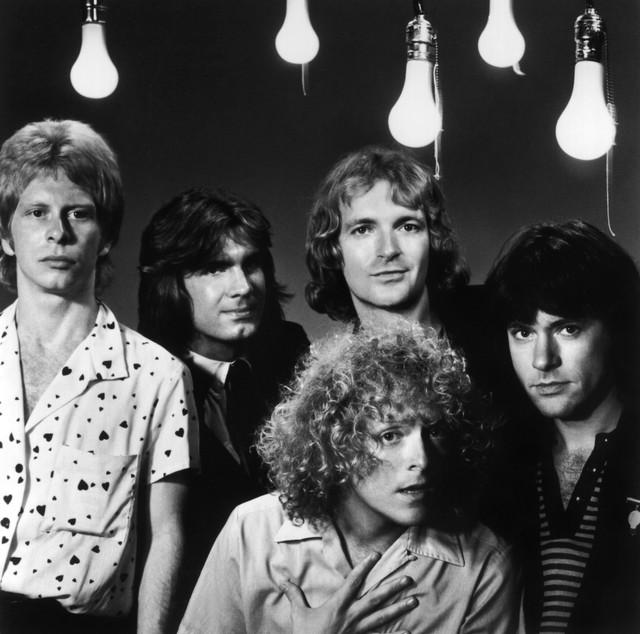
Off Broadway’s Spotify BioOff Broadway was a late-'70s power pop group from Chicago. That put them in a position roughly equivalent to that of Shaquille O'Neal's backup. In this case O'Neal was Cheap Trick and Off Broadway was doomed to obscurity. Much like Cheap Trick, Off Broadway played a quirky hopped-up blend of Beatlesque melodies and Move-like power. They didn't rock quite as hard and vocalist Cliff Johnson had nowhere near the style and range that Robin Zander did (then again, how many vocalists do?), but they wrote catchy songs and managed to sell around 200,000 copies of their 1979 debut album, On. Another album, Quick Turns, followed in 1980 and met with little acclaim or sales. Touring as an opening act for heavy metal bands did the group no favors as the audiences hated them and they became disillusioned with the music business. They soldiered on through the disappointment for a couple more years and then gave up in 1983. Perhaps inspired by the new wave of power pop-inspired bands that sounded… very much like Off Broadway and the re-release of On in 1996, four members of the original band got together in the late '90s as Black on Blond and began playing clubs in the Chicago area. Due to audience requests, they began adding Off Broadway material to their set and soon decided to become Off Broadway again. In 1997, the band recorded and released their first record in 17 years, Fallin' In, and followed it with a live set in 1998, Live at Fitzgeralds. They may never have reached the big time but they are remembered quite fondly by power pop connoisseurs the world over. ~ Tim Sendra, Rovi
Viberate is a music analytics platform built for A&Rs, artist managers, labels, booking agents, marketers, and artists.
It helps music professionals track artist growth, analyze audience data, monitor playlist activity, compare artists, follow song performance, and identify opportunities across the music market.
Public artist pages provide a free preview of selected artist data. Paid plans provide access to deeper analytics, historical data, charts, comparisons, playlist tools, exports, alerts, reports, and additional professional features.
Yes. Public Viberate artist pages provide selected artist analytics and music data for free.
Viberate also offers a 7-day free trial of the full platform. A credit card is required to start the trial. The trial includes access to the complete product so users can test deeper artist analytics, historical views, playlist insights, comparisons, charts, exports, alerts, and reporting features before choosing a paid plan.
Viberate provides artist analytics across streaming, playlists, social media, video, radio airplay, songs, and audience markets.
Users can analyze Spotify performance, Spotify and Apple Music playlists, YouTube activity, TikTok and Instagram growth, radio spins, song performance, audience locations, demographics, rankings, and overall artist momentum.
Artist profiles also connect to music charts, similar artists, and comparison tools, helping users benchmark performance and evaluate artists in context.
Viberate updates key artist and track data daily.
For followed artists and tracks, selected data is refreshed multiple times per day. This helps teams monitor playlist changes, streaming movement, audience growth, releases, and campaign performance with more current data.
Update frequency can vary depending on the metric and data source.
Yes. Viberate lets users compare up to five artists side by side across streaming, social media, audience, and engagement metrics.
Users can compare fanbase growth, audience demographics, locations, Spotify performance, social metrics, and other artist data over selected time periods.
Artist comparison can be used for A&R scouting, benchmarking, booking decisions, campaign planning, and evaluating artists with similar audiences or market positions.