Ride

Rock
Alternative Rock
Shoegaze
 Viberate Rank: 27992
 Viberate Rank: 27992
 Monthly ListenersFollowers
 Subscribers
 Followers
 Followers
 FansTop Spotify Songs
| Track | 7-Day Streams | |
|---|---|---|
1 | 45.39K | |
2 | 34.19K | |
3 | 13.48K | |
4 | 12.92K | |
5 | 12.07K |
Top YouTube Videos| Video | 7-Day Views | |
|---|---|---|
1 | 6.87K | |
2 | 3.25K | |
3 | 1.82K | |
4 | 1.72K | |
5 | 1.66K |
Monthly ListenersFeatured in Playlists| Playlist | Followers | |
|---|---|---|
1 |  Shoegaze Classics Spotify | 708.02K |
2 |  Soft Instrumental Spotify | 267.46K |
3 |  BRITPOP: 100 best songs Juan Ceñal | 70.71K |
4 | Perks of Being a Wallflower smallgirlspr | 64.32K |
5 |  Caribou - The Longest Mixtape: 1000+ Songs For You Caribou | 53.23K |
Audience| City | Monthly Listeners | |
|---|---|---|
1 | | 7.75K |
2 |  | 4.95K |
3 | | 4.44K |
4 |  | 3.77K |
5 | | 3.27K |
See full performance history, audience data, playlist activity, rankings, comparisons, and more in Viberate music analytics. Start with a free trial, then continue with a paid plan.
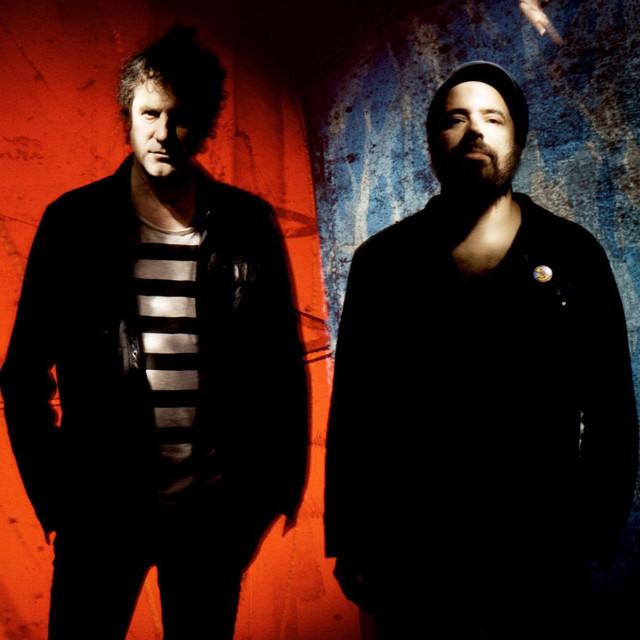
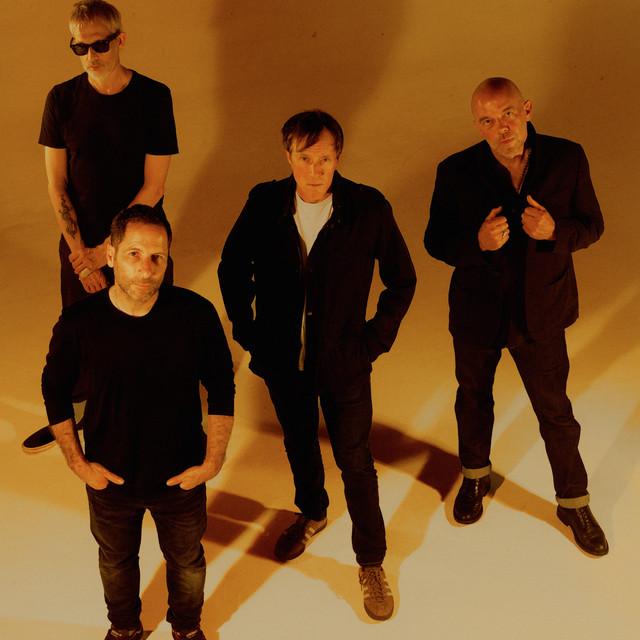
Ride’s Spotify BioRide return with the news of their seventh studio album, Interplay, out 29th March via Wichita
Recordings / PIAS. The new record is the Oxford four piece’s third since reforming in 2014,
having now been together longer in their current second phase than their original iteration as
90’s shoegaze pioneers.
Co-produced by Ride and Richie Kennedy, Interplay will follow 2017’s Weather Diaries
and 2019’s This Is Not A Safe Place, which re-lit the Ride spark, both pleasing old diehards and
introducing one of the most forward-thinking guitar bands of their generation to a whole new
audience. It connects all the dots from their career, taking the frenzied guitar attacks, hypnotic
grooves and dreamy melodic hooks of their early work and setting it to a more expansive sonic
template, inspired by 80's pop gems like Tears For Fears, Talk Talk & early U2.
Viberate is a music analytics platform built for A&Rs, artist managers, labels, booking agents, marketers, and artists.
It helps music professionals track artist growth, analyze audience data, monitor playlist activity, compare artists, follow song performance, and identify opportunities across the music market.
Public artist pages provide a free preview of selected artist data. Paid plans provide access to deeper analytics, historical data, charts, comparisons, playlist tools, exports, alerts, reports, and additional professional features.
Yes. Public Viberate artist pages provide selected artist analytics and music data for free.
Viberate also offers a 7-day free trial of the full platform. A credit card is required to start the trial. The trial includes access to the complete product so users can test deeper artist analytics, historical views, playlist insights, comparisons, charts, exports, alerts, and reporting features before choosing a paid plan.
Viberate provides artist analytics across streaming, playlists, social media, video, radio airplay, songs, and audience markets.
Users can analyze Spotify performance, Spotify and Apple Music playlists, YouTube activity, TikTok and Instagram growth, radio spins, song performance, audience locations, demographics, rankings, and overall artist momentum.
Artist profiles also connect to music charts, similar artists, and comparison tools, helping users benchmark performance and evaluate artists in context.
Viberate updates key artist and track data daily.
For followed artists and tracks, selected data is refreshed multiple times per day. This helps teams monitor playlist changes, streaming movement, audience growth, releases, and campaign performance with more current data.
Update frequency can vary depending on the metric and data source.
Yes. Viberate lets users compare up to five artists side by side across streaming, social media, audience, and engagement metrics.
Users can compare fanbase growth, audience demographics, locations, Spotify performance, social metrics, and other artist data over selected time periods.
Artist comparison can be used for A&R scouting, benchmarking, booking decisions, campaign planning, and evaluating artists with similar audiences or market positions.