Adorable

Rock
Alternative Rock
Shoegaze
 Viberate Rank: 239383
 Viberate Rank: 239383
 Monthly ListenersFollowers
 Subscribers
 Followers
 Followers
 FansTop Spotify Songs
| Track | 7-Day Streams | |
|---|---|---|
1 | 6.65K | |
2 | 1.74K | |
3 | 696 | |
4 | 534 | |
5 | 401 |
Top YouTube VideosMonthly ListenersFeatured in Playlists| Playlist | Followers | |
|---|---|---|
1 |  Shoegaze Classics Spotify | 708.02K |
2 | 80s and 90s karlother | 9.31K |
3 |  Nowhere (1997) Soundtrack 116867114 | 8.63K |
4 |  The Sound of Dream Pop The Sounds of Spotify | 6.71K |
5 |  obscure 90s-2010s shoegaze pdawg | 6.54K |
Audience| City | Monthly Listeners | |
|---|---|---|
1 | | 653 |
2 |  | 400 |
3 |  | 380 |
4 |  | 336 |
5 | | 330 |
See full performance history, audience data, playlist activity, rankings, comparisons, and more in Viberate music analytics. Start with a free trial, then continue with a paid plan.
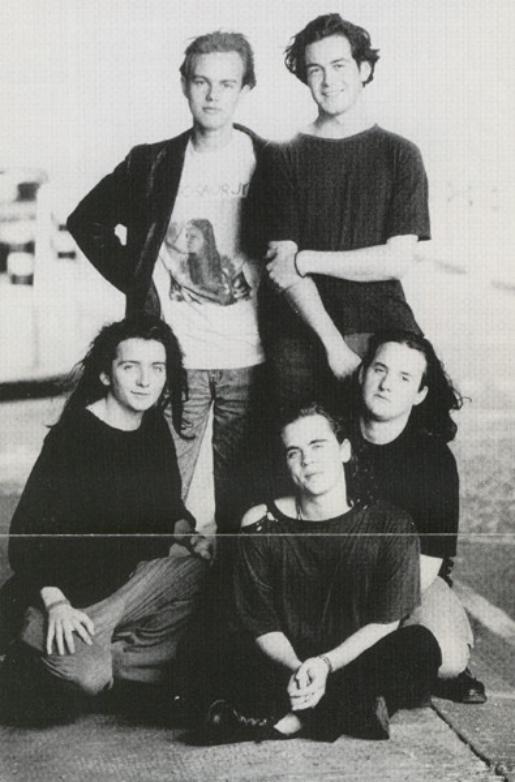
Adorable’s Spotify BioAdorable arrived when the shoegazer scene in England was starting to fade away. Formed in Coventry, England, in late 1990, Adorable was comprised of Piotr Fijalkowski (vocals, guitar), Robert Dillam (guitar), Wil (bass), and Kevin Gritton (drums). The band's wall of shimmering riffs drew comparisons to shoegazer icons such as My Bloody Valentine and Ride; however, their most noticeable influence was Echo & the Bunnymen as Fijalkowski has a harrowed, melancholic voice similar to Ian McCulloch's. The group didn't deny its Bunnymen worship in the U.K. press, either, as Fijalkowski stated in one interview that the Bunnymen were even superior to the Doors. Adorable recorded their first single, "Sunshine Smile," in 1991. However, the 800 copies made of it were never released. In January 1992, the band met Alan McGee, the owner of the British independent label Creation Records, at a pub in Coventry. The group signed with Creation and "Sunshine Smile" finally appeared in April of that year.… The record was voted Single of the Week by the U.K. magazine NME and hit number one on the indie charts. But the band's cockiness -- which separated the group from faceless shoegazer acts -- began to annoy critics. Adorable's first album, Against Perfection, was released in 1993. The band then toured America for a month; however, Creation and the group's U.S. label, SBK, were bickering, throwing Adorable into the crossfire. Although it made the Top 75, Against Perfection didn't sell as heavily as it should've and reviewers -- perhaps still turned off by the band's arrogance -- were not impressed. After Sony took over Creation, Adorable felt pressured in recording a follow-up LP that would keep them with the company. Unfortunately, 1994's Fake didn't have the snotty self-confidence of Against Perfection, and it flopped. Consequently, the group was dropped from Creation; a year later, they split up. Fijalkowski formed Polak in the late '90s. ~ Michael Sutton, Rovi
Viberate is a music analytics platform built for A&Rs, artist managers, labels, booking agents, marketers, and artists.
It helps music professionals track artist growth, analyze audience data, monitor playlist activity, compare artists, follow song performance, and identify opportunities across the music market.
Public artist pages provide a free preview of selected artist data. Paid plans provide access to deeper analytics, historical data, charts, comparisons, playlist tools, exports, alerts, reports, and additional professional features.
Yes. Public Viberate artist pages provide selected artist analytics and music data for free.
Viberate also offers a 7-day free trial of the full platform. A credit card is required to start the trial. The trial includes access to the complete product so users can test deeper artist analytics, historical views, playlist insights, comparisons, charts, exports, alerts, and reporting features before choosing a paid plan.
Viberate provides artist analytics across streaming, playlists, social media, video, radio airplay, songs, and audience markets.
Users can analyze Spotify performance, Spotify and Apple Music playlists, YouTube activity, TikTok and Instagram growth, radio spins, song performance, audience locations, demographics, rankings, and overall artist momentum.
Artist profiles also connect to music charts, similar artists, and comparison tools, helping users benchmark performance and evaluate artists in context.
Viberate updates key artist and track data daily.
For followed artists and tracks, selected data is refreshed multiple times per day. This helps teams monitor playlist changes, streaming movement, audience growth, releases, and campaign performance with more current data.
Update frequency can vary depending on the metric and data source.
Yes. Viberate lets users compare up to five artists side by side across streaming, social media, audience, and engagement metrics.
Users can compare fanbase growth, audience demographics, locations, Spotify performance, social metrics, and other artist data over selected time periods.
Artist comparison can be used for A&R scouting, benchmarking, booking decisions, campaign planning, and evaluating artists with similar audiences or market positions.