Riachão

Latin
Other Latin Music
Samba
 Viberate Rank: 263661
 Viberate Rank: 263661
 Monthly ListenersFollowers
 Subscribers
 Followers
 Followers
 FansTop Spotify Songs
| Track | 7-Day Streams | |
|---|---|---|
1 | 6.36K | |
2 | 4.16K | |
3 | 809 | |
4 | 479 | |
5 | 359 |
Top YouTube VideosMonthly ListenersFeatured in Playlists| Playlist | Followers | |
|---|---|---|
1 |  Samba de Raiz Spotify | 631.09K |
2 |  Caipirinha Spotify | 233.93K |
3 |  Samba Classics Spotify | 144.94K |
4 | Partido Alto, churrasco, cerveja e samba! Douglas Aquino Fernandes | 21.98K |
5 | Samba de roda, raiz e partido alto Mariana Julio | 10.36K |
Audience| City | Monthly Listeners | |
|---|---|---|
1 | | 4.76K |
2 | | 2.09K |
3 | | 1.01K |
4 | | 953 |
5 | | 789 |
See full performance history, audience data, playlist activity, rankings, comparisons, and more in Viberate music analytics. Start with a free trial, then continue with a paid plan.
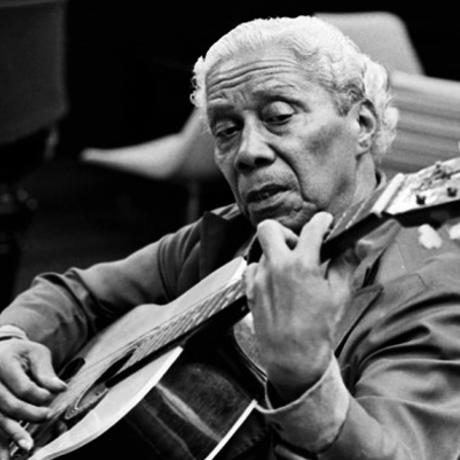
Riachão’s Spotify BioOne of the most important historical sambistas of Brazil, Riachão is -- along with Batatinha, Walmir Lima, Ederaldo Gentil, Nélson Rufino, and Edil Pacheco -- the cream of the Bahian samba. A successful artist of the radio in the 1940s and 1950s, Riachão also worked in the films A Grande Feira (Roberto Pires, 1961) and Pastores da Noite (Marcel Camus, 1972). He paid tribute to Batatinha on the album Diplomacia, interpreting, together with Batatinha, Ederaldo Gentil, Nélson Rufino, Walmir Lima, and Edil Pacheco, "De Revólver, Não!" (Batatinha/Walmir Lima). In turn, Riachão was paid tribute in the documentary Samba Riachão (by Jorge Alfredo), presented in 2001 at the Film Festival of Brasília, where admirers of his work like Caetano Veloso (who recorded with success his "Cada Macaco no seu Galho"), Gilberto Gil, Dorival Caymmi, and Tom Zé, among others, gave moving testimonies.
His picturesque way of writing songs transformed him into the musical chronicler of the old Salvador (Bahia's… capital). Every relevant happening in the city, including the arson in the Mercado Modelo ("Incêndio do Mercado Modelo"), was portrayed by him in the rhythm of the Bahian samba and a straight-ahead and popular language. His approach has other excellent examples in sambas like "Retrato da Bahia," "Bochechuda," and "Papuda," compositions that brought to him the Gonzaga trophy. Born and raised in the Garcia borough, since age nine Riachão was already frequenting serenatas and batucadas around the neighborhood, writing his first composition, a samba, at 12. In 1944, he was hired by the Rádio Sociedade, where he performed in a vocal trio at the Show Pindorama auditorium program. Launched by Antônio Maria with the song "Vida da Semana," Riachão became a solo singer. Influenced by Dorival Caymmi, he decided to devote himself to samba. After Caymmi, Riachão was the first Bahian composer to have songs recorded in Rio de Janeiro in the '50s: "Meu Patrão," "Saia," and "Judas Traidor," all by Jackson do Pandeiro. Eraldo Oliveira later recorded "A Nega Que Não Quer Nada," and the singer Maria Inês recorded "Terra Santa." Riachão also had "Vamos Pular, Gente" and "Vá Mamar em Outro Lugar" recorded by other artists. ~ Alvaro Neder, Rovi
Viberate is a music analytics platform built for A&Rs, artist managers, labels, booking agents, marketers, and artists.
It helps music professionals track artist growth, analyze audience data, monitor playlist activity, compare artists, follow song performance, and identify opportunities across the music market.
Public artist pages provide a free preview of selected artist data. Paid plans provide access to deeper analytics, historical data, charts, comparisons, playlist tools, exports, alerts, reports, and additional professional features.
Yes. Public Viberate artist pages provide selected artist analytics and music data for free.
Viberate also offers a 7-day free trial of the full platform. A credit card is required to start the trial. The trial includes access to the complete product so users can test deeper artist analytics, historical views, playlist insights, comparisons, charts, exports, alerts, and reporting features before choosing a paid plan.
Viberate provides artist analytics across streaming, playlists, social media, video, radio airplay, songs, and audience markets.
Users can analyze Spotify performance, Spotify and Apple Music playlists, YouTube activity, TikTok and Instagram growth, radio spins, song performance, audience locations, demographics, rankings, and overall artist momentum.
Artist profiles also connect to music charts, similar artists, and comparison tools, helping users benchmark performance and evaluate artists in context.
Viberate updates key artist and track data daily.
For followed artists and tracks, selected data is refreshed multiple times per day. This helps teams monitor playlist changes, streaming movement, audience growth, releases, and campaign performance with more current data.
Update frequency can vary depending on the metric and data source.
Yes. Viberate lets users compare up to five artists side by side across streaming, social media, audience, and engagement metrics.
Users can compare fanbase growth, audience demographics, locations, Spotify performance, social metrics, and other artist data over selected time periods.
Artist comparison can be used for A&R scouting, benchmarking, booking decisions, campaign planning, and evaluating artists with similar audiences or market positions.