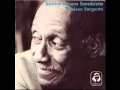
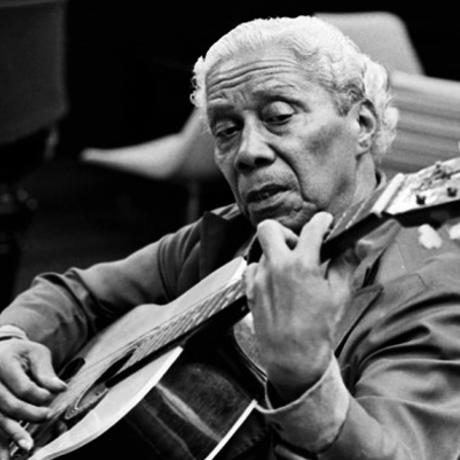
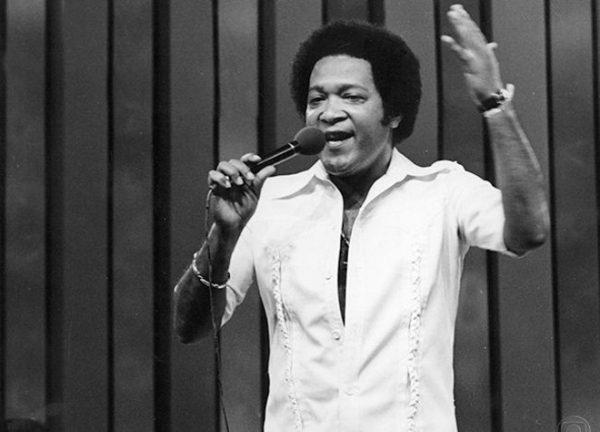
Nelson Sargento

Latin
Samba
 Viberate Rank: 86495
 Viberate Rank: 86495
 Monthly ListenersFollowers
 Subscribers
 Followers
 Followers
 FansTop Spotify Songs
| Track | 7-Day Streams | |
|---|---|---|
1 | 8.39K | |
2 | 5.34K | |
3 | 5.18K | |
4 | 4.60K | |
5 | 3.30K |
Top YouTube VideosMonthly ListenersFeatured in Playlists| Playlist | Followers | |
|---|---|---|
1 |  Samba de Raiz Spotify | 631.09K |
2 |  Caipirinha Spotify | 233.93K |
3 |  Samba Classics Spotify | 144.94K |
4 |  Sambas da Manhã Spotify | 87.44K |
5 | Brazilian Classics Felix van Gisbergen | 63.86K |
Audience| City | Monthly Listeners | |
|---|---|---|
1 | | 11.16K |
2 | | 6.09K |
3 | | 2.41K |
4 | | 1.78K |
5 | | 1.72K |
See full performance history, audience data, playlist activity, rankings, comparisons, and more in Viberate music analytics. Start with a free trial, then continue with a paid plan.
Nelson Sargento’s Spotify BioAs the composer of over 400 songs, including the classics "Samba, Agoniza Mas Não Morre" (recorded by Beth Carvalho in 1978) and "Cântico à Natureza/Quatro Estações do Ano" ("Primavera"), Nelson Sargento is associated with the history of samba beginning in 1934 when he was parading at the Azul e Branco samba school at the age of ten. He was a member of A Voz do Morro, recording albums with Paulinho da Viola, Zé Kéti, Elton Medeiros, Jair da Costa, Anescarzinho, and José da Cruz. He also wrote anthological sambas with Cartola, Carlos Cachaça, Daniel Gonzaga, and Darcy da Mangueira, having had success with "Nas Asas da Canção" (with Ivone Lara), "Falso Amor Sincero," "Vai Dizer a Ela" (with Carlos Marreta), and "Idioma Esquisito." His first samba-enredo was "Rio São Francisco" (with Alfredo Português in 1948), for Mangueira. His "Cântico à Natureza" (samba-enredo considered one of the ten best-ever presented by Mangueira; was co-written with his stepfather Alfredo Português and Jamelão)… was presented by Mangueira at the Carnival of 1955 and received second place in the competition; the song was recorded by Jamelão and earned success. Sargento participated in historic shows with Rosa de Ouro (1965) and was also a part of the Os Cinco Crioulos, recording albums with both groups. The international career of this wallpainter began in 1990 when he went to Japan for the first time, having also recorded and released albums in that country. Sargento, a primitivist painter who has realized several individual exhibitions, also wrote books (Prisioneiro do Mundo and Um certo Geraldo Pereira) and acted in movies (O Primeiro Dia, by Walter Salles/Daniela Thomas; the awarded documentary Nelson Sargento da Mangueira, by Estevão Pantoja; and Orfeu do Carnaval, by Cacá Diegues, among others). ~ Alvaro Neder, Rovi
Viberate is a music analytics platform built for A&Rs, artist managers, labels, booking agents, marketers, and artists.
It helps music professionals track artist growth, analyze audience data, monitor playlist activity, compare artists, follow song performance, and identify opportunities across the music market.
Public artist pages provide a free preview of selected artist data. Paid plans provide access to deeper analytics, historical data, charts, comparisons, playlist tools, exports, alerts, reports, and additional professional features.
Yes. Public Viberate artist pages provide selected artist analytics and music data for free.
Viberate also offers a 7-day free trial of the full platform. A credit card is required to start the trial. The trial includes access to the complete product so users can test deeper artist analytics, historical views, playlist insights, comparisons, charts, exports, alerts, and reporting features before choosing a paid plan.
Viberate provides artist analytics across streaming, playlists, social media, video, radio airplay, songs, and audience markets.
Users can analyze Spotify performance, Spotify and Apple Music playlists, YouTube activity, TikTok and Instagram growth, radio spins, song performance, audience locations, demographics, rankings, and overall artist momentum.
Artist profiles also connect to music charts, similar artists, and comparison tools, helping users benchmark performance and evaluate artists in context.
Viberate updates key artist and track data daily.
For followed artists and tracks, selected data is refreshed multiple times per day. This helps teams monitor playlist changes, streaming movement, audience growth, releases, and campaign performance with more current data.
Update frequency can vary depending on the metric and data source.
Yes. Viberate lets users compare up to five artists side by side across streaming, social media, audience, and engagement metrics.
Users can compare fanbase growth, audience demographics, locations, Spotify performance, social metrics, and other artist data over selected time periods.
Artist comparison can be used for A&R scouting, benchmarking, booking decisions, campaign planning, and evaluating artists with similar audiences or market positions.