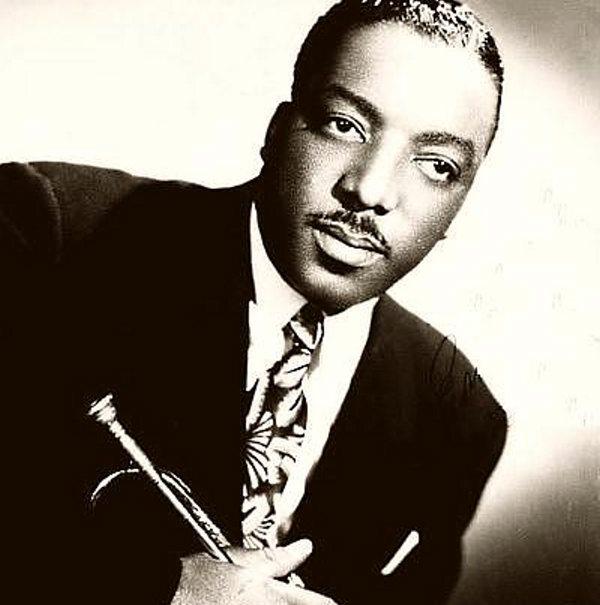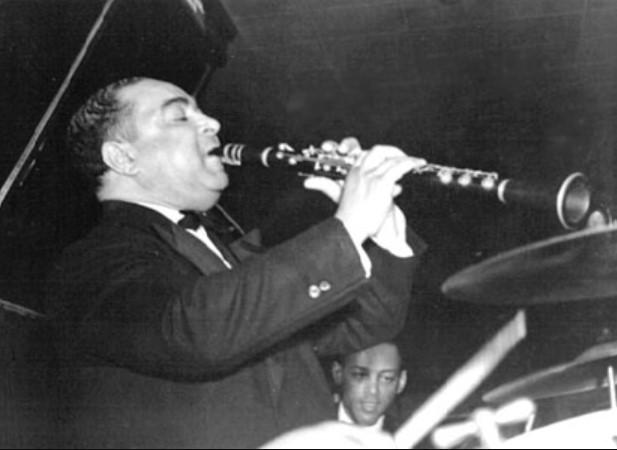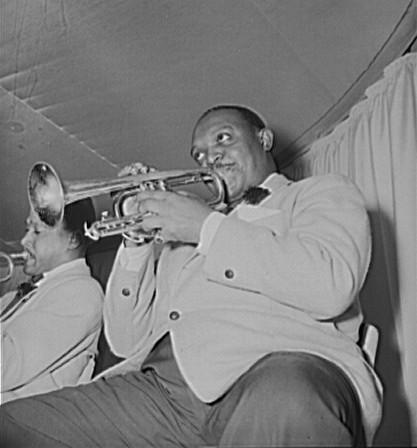
Hot Lips Page

Jazz
Swing
Big band Jazz
 Viberate Rank: 273603
 Viberate Rank: 273603
 Monthly ListenersFollowers
 Subscribers
 Followers
 Followers
 FansTop Spotify Songs
| Track | 7-Day Streams | |
|---|---|---|
1 | 2.36K | |
2 | 2.36K | |
3 | 2.36K | |
4 | 2.00K | |
5 | 2.00K |
Top YouTube VideosMonthly ListenersFeatured in Playlists| Playlist | Followers | |
|---|---|---|
1 |  Jazz Trumpet Spotify | 92.99K |
2 |  SWING BIG BAND polca don'ts | 87.91K |
3 |  SWING DANCE - LINDY HOP - The best playlist - LOLA VAN Josep Anton Sr Escarlata | 44.61K |
4 | Lindy Hop Music Sakarias Larsson | 19.70K |
5 |  1930s, 1940s Pop Songs Jeff Lyons | 17.97K |
Audience| City | Monthly Listeners | |
|---|---|---|
1 | | 129 |
2 | | 124 |
3 | | 113 |
4 |  | 109 |
5 |  | 71 |
See full performance history, audience data, playlist activity, rankings, comparisons, and more in Viberate music analytics. Start with a free trial, then continue with a paid plan.
Hot Lips Page’s Spotify BioOne of the great swing trumpeters in addition to being a talented blues vocalist, Hot Lips Page's premature passing left a large hole in the jazz world; virtually all musicians (no matter their style) loved him. Page gained early experience in the 1920s performing in Texas, playing in Ma Rainey's backup band. He was with Walter Page's Blue Devils during 1928-1931, and then joined Bennie Moten's band in Kansas City in time to take part in a brilliant 1932 recording session. Page freelanced in Kansas City and in 1936 was one of the stars in Count Basie's orchestra but, shortly before Basie was discovered, Joe Glaser signed Hot Lips as a solo artist. Although Page's big band did alright in the late '30s (recording for Victor), if he had come east with Basie he would have become much more famous. Page was one of the top sidemen with Artie Shaw's orchestra during 1941-1942 and then mainly freelanced throughout the remainder of his career, recording with many all-star groups and always being… a welcome fixture at jam sessions. ~ Scott Yanow, Rovi
Viberate is a music analytics platform built for A&Rs, artist managers, labels, booking agents, marketers, and artists.
It helps music professionals track artist growth, analyze audience data, monitor playlist activity, compare artists, follow song performance, and identify opportunities across the music market.
Public artist pages provide a free preview of selected artist data. Paid plans provide access to deeper analytics, historical data, charts, comparisons, playlist tools, exports, alerts, reports, and additional professional features.
Yes. Public Viberate artist pages provide selected artist analytics and music data for free.
Viberate also offers a 7-day free trial of the full platform. A credit card is required to start the trial. The trial includes access to the complete product so users can test deeper artist analytics, historical views, playlist insights, comparisons, charts, exports, alerts, and reporting features before choosing a paid plan.
Viberate provides artist analytics across streaming, playlists, social media, video, radio airplay, songs, and audience markets.
Users can analyze Spotify performance, Spotify and Apple Music playlists, YouTube activity, TikTok and Instagram growth, radio spins, song performance, audience locations, demographics, rankings, and overall artist momentum.
Artist profiles also connect to music charts, similar artists, and comparison tools, helping users benchmark performance and evaluate artists in context.
Viberate updates key artist and track data daily.
For followed artists and tracks, selected data is refreshed multiple times per day. This helps teams monitor playlist changes, streaming movement, audience growth, releases, and campaign performance with more current data.
Update frequency can vary depending on the metric and data source.
Yes. Viberate lets users compare up to five artists side by side across streaming, social media, audience, and engagement metrics.
Users can compare fanbase growth, audience demographics, locations, Spotify performance, social metrics, and other artist data over selected time periods.
Artist comparison can be used for A&R scouting, benchmarking, booking decisions, campaign planning, and evaluating artists with similar audiences or market positions.