Picture

Metal
Heavy Metal
Speed Metal
 Viberate Rank: 169656
 Viberate Rank: 169656
 Monthly ListenersFollowers
 Subscribers
 Followers
 Followers
 FansTop Spotify Songs
| Track | 7-Day Streams | |
|---|---|---|
1 | 3.24K | |
2 | 2.90K | |
3 | 2.57K | |
4 | 1.48K | |
5 | 1.37K |
Top YouTube VideosMonthly ListenersFeatured in Playlists| Playlist | Followers | |
|---|---|---|
1 |  80’s Hair Metal & Rock halun1 | 40.35K |
2 |  Power Speed and Metal Chris Entonie | 38.53K |
3 |  NWOBHM Classics 🔥🔥 Abdurahman Muuse | 10.80K |
4 |  SPEED METAL ATTACK electric_warfare | 10.40K |
5 |  House Deep Progressive DeejayHouse | 9.92K |
Audience| City | Monthly Listeners | |
|---|---|---|
1 |  | 835 |
2 |  | 456 |
3 |  | 432 |
4 |  | 347 |
5 |  | 283 |
See full performance history, audience data, playlist activity, rankings, comparisons, and more in Viberate music analytics. Start with a free trial, then continue with a paid plan.
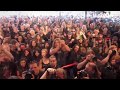
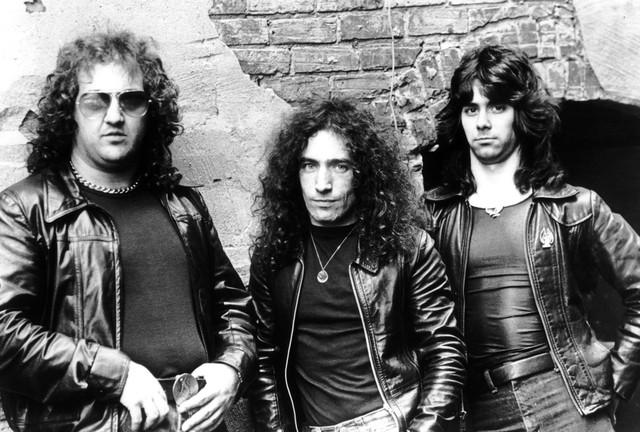
Picture’s Spotify BioThe first Dutch heavy metal band was formed in 1978 by Ronald van Prooijen (vocals), Jan Bechtum (guitar), Rinus Vreugdenhil (bass) and Laurens ‘Bakkie’ Bakker (drums). They modeled themselves on British bands, most noticeably Uriah Heep, Deep Purple and Motörhead. They went through numerous line-up changes during their career, but produced consistently high-quality albums throughout that were released all over the world. Vocalists also included Shmoulik Avigal (b. Israel), Pete Lovell (b. England), and Bert Heering (ex-Vandenberg), while Chriz van Jaarsveld, Henri van Maanen and Rob van Enkhuizen were responsible for six-string duties at one time or another. The band folded in 1987, but the original quartet played a one-off reunion concert in Sliedrecht the following year.
In 2008 they noticed the growing popularity of the band on YouTube and decided to reunite. Jan Bechtum, Rinus Vreugdenhil, Laurens Bakker and Pete Lovell got together and got invited to the 2008 Sweden Rock Festival.… With Rob van Enkhuijzen as second guitarist they hit it off. Picture is still around. They released a CD in 2009 (Old Dogs New Tricks) and in 2011 (Warhorse).
As of summer 2016 the classic line-up with Ronald, Jan, Rinus and Laurens is back! Appie de Gelder was added as second guitarist.
Now, Picture has Peter Strykes as singer. Due to hand surgery Jan Bechtum had to stop playing in the band and was replaced by Len Ruygrok.
Viberate is a music analytics platform built for A&Rs, artist managers, labels, booking agents, marketers, and artists.
It helps music professionals track artist growth, analyze audience data, monitor playlist activity, compare artists, follow song performance, and identify opportunities across the music market.
Public artist pages provide a free preview of selected artist data. Paid plans provide access to deeper analytics, historical data, charts, comparisons, playlist tools, exports, alerts, reports, and additional professional features.
Yes. Public Viberate artist pages provide selected artist analytics and music data for free.
Viberate also offers a 7-day free trial of the full platform. A credit card is required to start the trial. The trial includes access to the complete product so users can test deeper artist analytics, historical views, playlist insights, comparisons, charts, exports, alerts, and reporting features before choosing a paid plan.
Viberate provides artist analytics across streaming, playlists, social media, video, radio airplay, songs, and audience markets.
Users can analyze Spotify performance, Spotify and Apple Music playlists, YouTube activity, TikTok and Instagram growth, radio spins, song performance, audience locations, demographics, rankings, and overall artist momentum.
Artist profiles also connect to music charts, similar artists, and comparison tools, helping users benchmark performance and evaluate artists in context.
Viberate updates key artist and track data daily.
For followed artists and tracks, selected data is refreshed multiple times per day. This helps teams monitor playlist changes, streaming movement, audience growth, releases, and campaign performance with more current data.
Update frequency can vary depending on the metric and data source.
Yes. Viberate lets users compare up to five artists side by side across streaming, social media, audience, and engagement metrics.
Users can compare fanbase growth, audience demographics, locations, Spotify performance, social metrics, and other artist data over selected time periods.
Artist comparison can be used for A&R scouting, benchmarking, booking decisions, campaign planning, and evaluating artists with similar audiences or market positions.