Ostrogoth

Metal
Heavy Metal
Speed Metal
 Viberate Rank: 181676
 Viberate Rank: 181676
 Monthly ListenersFollowers
 Subscribers
 Followers
 Followers
 FansTop Spotify Songs
| Track | 7-Day Streams | |
|---|---|---|
1 | 2.67K | |
2 | 2.41K | |
3 | 1.59K | |
4 | 1.02K | |
5 | 819 |
Top YouTube VideosMonthly ListenersFeatured in Playlists| Playlist | Followers | |
|---|---|---|
1 |  FENRIZ METAL Gylve | 32.35K |
2 |  Brütal Legend, complete soundtrack Vebjørn Furuseth | 26.88K |
3 |  Brutal Legend (Licensed Tracks) mrroyboto | 15.07K |
4 |  NWOBHM Classics 🔥🔥 Abdurahman Muuse | 10.80K |
5 | 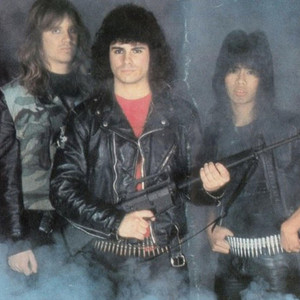 SPEED METAL ATTACK electric_warfare | 10.40K |
Audience| City | Monthly Listeners | |
|---|---|---|
1 |  | 471 |
2 |  | 438 |
3 |  | 402 |
4 |  | 302 |
5 |  | 222 |
See full performance history, audience data, playlist activity, rankings, comparisons, and more in Viberate music analytics. Start with a free trial, then continue with a paid plan.
Ostrogoth’s Spotify BioLike their better-known compatriots Acid and Killer, Belgian heavy metal band Ostrogoth released a string of albums through the Mausoleum label beginning in 1983, but their origins actually dated all the way back to the mid-'70s, when they began working their way through several lineups and various musical styles. But it wasn't until vocalist Marc De Brouwer and second guitarist Rudy Vercruysse joined existing members Hans Van de Kerkhove (guitar), Marnix Van de Kauter (bass), and Mario Pauwels (drums) in 1981 that Ostrogoth settled on a signature formula informed by the New Wave of British Heavy Metal and burgeoning Continental European success stories like the Scorpions and Accept. Having adopted colorful pseudonyms to round out their new direction (De Brouwer was "Red Star," Vandekerkhove "Sphinx," Vercruysse "White Shark," De Kauter "Bronco," and Pauwels "Grizzly"), the quintet set about recording 1983's Full Moon's Eyes EP independently, but was offered a deal by the… aforementioned Mausoleum after a local radio station premiered two of its songs.
There followed two full-length Ostrogoth albums in 1984's Ecstasy and Danger and 1985's Too Hot, but their modest sales resulted in a full-scale band implosion the following year that spared only Vercruysse and Pauwels, while ushering in new vocalist Peter De Wint (ex-Crossfire), Brazilian-born guitarist Juno Martins, bassist Sylvain Cherotti, and, most tellingly, a keyboardist named Kris Taerwe. Given all these changes, it was not at all surprising that Ostrogoth's sound also returned virtually unrecognizable for 1987's exceedingly commercial Feelings of Fury LP, nor that the band's watered-down reinvention alienated many fans and led to its demise shortly thereafter. Vercruysse, Pauwels, and friends eventually regrouped Ostrogoth for a one-off performance in Athens (the Greeks being major trad-metal enthusiasts) and commemorated the event by placing a few tracks on the Mausoleum 20th Anniversary Concert live album (alongside Doro and Killer), but they have remained silent ever since. ~ Eduardo Rivadavia, Rovi
Viberate is a music analytics platform built for A&Rs, artist managers, labels, booking agents, marketers, and artists.
It helps music professionals track artist growth, analyze audience data, monitor playlist activity, compare artists, follow song performance, and identify opportunities across the music market.
Public artist pages provide a free preview of selected artist data. Paid plans provide access to deeper analytics, historical data, charts, comparisons, playlist tools, exports, alerts, reports, and additional professional features.
Yes. Public Viberate artist pages provide selected artist analytics and music data for free.
Viberate also offers a 7-day free trial of the full platform. A credit card is required to start the trial. The trial includes access to the complete product so users can test deeper artist analytics, historical views, playlist insights, comparisons, charts, exports, alerts, and reporting features before choosing a paid plan.
Viberate provides artist analytics across streaming, playlists, social media, video, radio airplay, songs, and audience markets.
Users can analyze Spotify performance, Spotify and Apple Music playlists, YouTube activity, TikTok and Instagram growth, radio spins, song performance, audience locations, demographics, rankings, and overall artist momentum.
Artist profiles also connect to music charts, similar artists, and comparison tools, helping users benchmark performance and evaluate artists in context.
Viberate updates key artist and track data daily.
For followed artists and tracks, selected data is refreshed multiple times per day. This helps teams monitor playlist changes, streaming movement, audience growth, releases, and campaign performance with more current data.
Update frequency can vary depending on the metric and data source.
Yes. Viberate lets users compare up to five artists side by side across streaming, social media, audience, and engagement metrics.
Users can compare fanbase growth, audience demographics, locations, Spotify performance, social metrics, and other artist data over selected time periods.
Artist comparison can be used for A&R scouting, benchmarking, booking decisions, campaign planning, and evaluating artists with similar audiences or market positions.