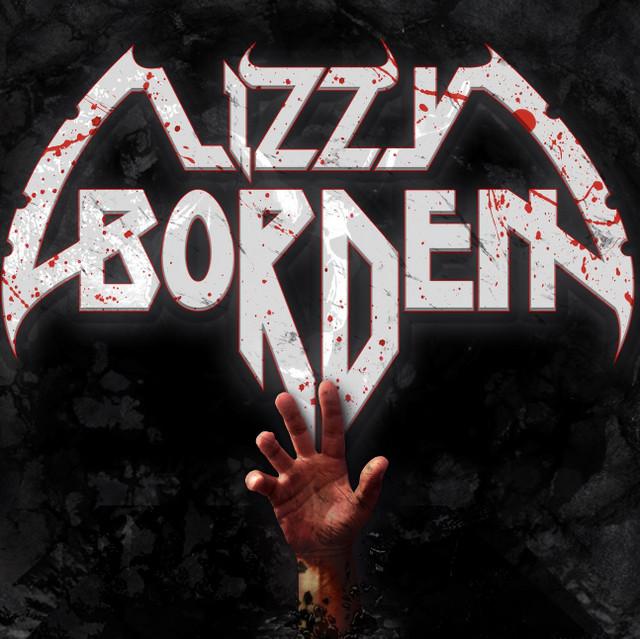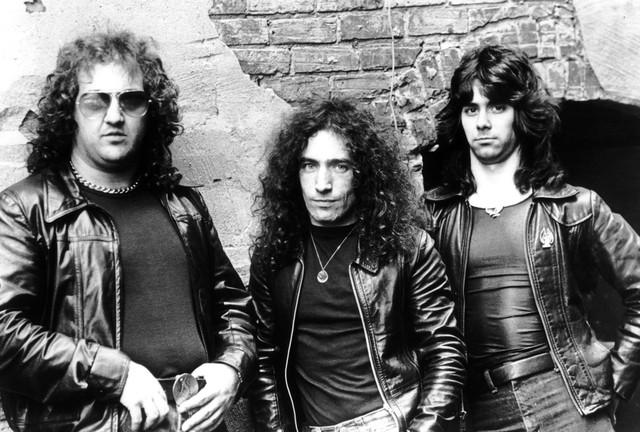
The Rods

Metal
Heavy Metal
Hard Rock
 Viberate Rank: 169559
 Viberate Rank: 169559
 Monthly ListenersFollowers
 Subscribers
 Followers
 Followers
 FansTop Spotify Songs
| Track | 7-Day Streams | |
|---|---|---|
1 | 1.63K | |
2 | 1.20K | |
3 | 491 | |
4 | 360 | |
5 | 351 |
Top YouTube VideosMonthly ListenersFeatured in Playlists| Playlist | Followers | |
|---|---|---|
1 |  80’s Hair Metal & Rock halun1 | 40.35K |
2 |  The Best of Dio Mike Stand | 26.52K |
3 |  Metal Kingdom PlayStation®️ | 20.19K |
4 | Metal🤘🏻 Naydil González | 16.46K |
5 |  NWOBHM Classics 🔥🔥 Abdurahman Muuse | 10.80K |
Audience| City | Monthly Listeners | |
|---|---|---|
1 |  | 417 |
2 |  | 188 |
3 |  | 139 |
4 |  | 122 |
5 |  | 117 |
See full performance history, audience data, playlist activity, rankings, comparisons, and more in Viberate music analytics. Start with a free trial, then continue with a paid plan.
The Rods’ Spotify BioThe Rods were one of America's unsung blue-collar heavy metal bands of the 1980s, often compared to Britain's Motörhead for their veteran three-piece lineup, their everyman, almost punk-like simple image, and, of course, their brash and extremely loud music, which was invariably played on amplifiers set to 11. The band achieved little mainstream success during their career, and the Rods' general compositional style hardly pushed the heavy metal genre into new terrain, but they stayed loyal to their no-frills attack, and earned a dedicated cult following that endured into the 21st century. The group hit their creative peak with their initial albums, 1981's The Rods and 1982's Wild Dogs; after reuniting in 2008, they showed off a heavier sound and tougher guitar attack on their comeback efforts, 2011's Vengeance and 2019's Brotherhood of Metal.
Hailing from upstate New York, the Rods came into being in the late '70s under the leadership of vocalist/guitarist David Feinstein, whose first… brush with success had come almost a decade earlier as a member of blues-rockers Elf, whom he was invited to join by his cousin, singer Ronnie James Dio. Feinstein quit Elf shortly after the release of their eponymous 1973 debut (and before they became the first incarnation of Ritchie Blackmore's Rainbow), taking a job with the wildlife conservation department in upstate New York. He was lured back to his guitar after he jammed with local drummer Carl Canedy and bassist Joey DeMaio (later to join Manowar) in a short-lived group called David Feinstein's Thunder. The Rods were officially born in 1979 with the arrival of bassist Stephen Starmer, who signed on with Feinstein and Canedy. The hard-working trio amassed a solid repertoire of original songs and, rather than waiting for the music industry to take notice, they set about recording their own long-player in 1980, independently pressing 1,000 copies of the album which they revealingly named Rock Hard.
Rock Hard caught the attention of Arista Records, which signed the Rods and repackaged the first album with a few newly recorded cuts (featuring recently arrived bass player Garry Bordonaro) for release as the band's eponymous major-label debut in 1981. The album showcased a tough, frill-free heavy rock style with occasional proto-speed metal tendencies, a surprising appreciation of melody, and telltale similarities to '70s legends like Deep Purple and Rainbow as well as '80s contemporaries like Riot and Y&T. The LP garnered more attention and positive press in England than in the U.S., prompting Arista to ship the band over to the U.K. for a guest slot on Iron Maiden's The Number of the Beast tour, and then kept them there to record their sophomore album, Wild Dogs. Released in 1982, this latest effort was also heartily embraced by the Brits, but fared no better than its predecessor in America, leading Arista (never a band with a strong background in hard rock) to drop the Rods just as soon as they limped back home.
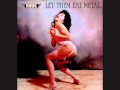
Luckily for the group, Shrapnel Records swooped right in with a new contract, and 1983's aptly named In the Raw saw the group celebrating its return to independent status with a significantly stripped-down sound (according to some reports, the tracks were essentially demos). Next in their newfangled "less is more" crusade was a hastily assembled live album that ultimately did them no favors, and with 1984's Let Them Eat Metal, the Rods found themselves linked to yet another record label (this time rising thrash imprint Combat) and obtaining more headlines from the LP's provocative cover than the actual music within. Around this time, drummer Carl Canedy began taking on side gigs as a producer, and wound up recording a handful of future thrash classics such as Anthrax's Spreading the Disease, Exciter's Violence & Force, and Overkill's Feel the Fire. Things weren't as promising for the Rods, and confusion set in when a mysterious hard rock album entitled Hollywood was released in 1986 by a group billed simply as Canedy, Feinstein, Bordonaro & Caudle (Rick Caudle being the lead vocalist as Feinstein focused solely on guitar). Later that year, a fifth LP credited to the Rods, Heavier Than Thou, would emerge through independent Passport Records; Feinstein and Canedy were now teamed up with bassist Craig Gruber (ex-Elf, Rainbow) and new singer Shmoulik Avigal (formerly with the Dutch metal band Picture) for what proved to be a largely ignored swan song.
All involved soon moved onto other, mostly low-key projects, with Canedy continuing to focus on his production work while Feinstein kept playing with several underground bands (most notably A la Rock, which actually released an album in 1990), before switching gears to become a restaurant owner in New York City. It was therefore quite unexpected when the guitarist made another comeback with a nondescript solo album in the year 2000, and then launched a new power metal group named simply Feinstein via 2003's Third Wish CD. Even more surprising, 2008 saw the classic Rods lineup -- Feinstein, Bordonaro, and Canedy -- reuniting for a special performance at the Metal Rock Fest in Lillehammer, Norway. Shortly afterwards, the band went back to the studio for the first time in over 20 years, and in 2011 released their sixth studio album as the Rods, Vengeance, which included a guest appearance from Ronnie James Dio. The band struck a deal with the German metal label Steamhammer to release 2019's Brotherhood of Metal, which showcased a harder and darker sound from the band. ~ Eduardo Rivadavia & Mark Deming, Rovi
Viberate is a music analytics platform built for A&Rs, artist managers, labels, booking agents, marketers, and artists.
It helps music professionals track artist growth, analyze audience data, monitor playlist activity, compare artists, follow song performance, and identify opportunities across the music market.
Public artist pages provide a free preview of selected artist data. Paid plans provide access to deeper analytics, historical data, charts, comparisons, playlist tools, exports, alerts, reports, and additional professional features.
Yes. Public Viberate artist pages provide selected artist analytics and music data for free.
Viberate also offers a 7-day free trial of the full platform. A credit card is required to start the trial. The trial includes access to the complete product so users can test deeper artist analytics, historical views, playlist insights, comparisons, charts, exports, alerts, and reporting features before choosing a paid plan.
Viberate provides artist analytics across streaming, playlists, social media, video, radio airplay, songs, and audience markets.
Users can analyze Spotify performance, Spotify and Apple Music playlists, YouTube activity, TikTok and Instagram growth, radio spins, song performance, audience locations, demographics, rankings, and overall artist momentum.
Artist profiles also connect to music charts, similar artists, and comparison tools, helping users benchmark performance and evaluate artists in context.
Viberate updates key artist and track data daily.
For followed artists and tracks, selected data is refreshed multiple times per day. This helps teams monitor playlist changes, streaming movement, audience growth, releases, and campaign performance with more current data.
Update frequency can vary depending on the metric and data source.
Yes. Viberate lets users compare up to five artists side by side across streaming, social media, audience, and engagement metrics.
Users can compare fanbase growth, audience demographics, locations, Spotify performance, social metrics, and other artist data over selected time periods.
Artist comparison can be used for A&R scouting, benchmarking, booking decisions, campaign planning, and evaluating artists with similar audiences or market positions.