Pete Brown

Rock
Progressive Rock
Swing
 Viberate Rank: 111477
 Viberate Rank: 111477
 Monthly ListenersFollowers
 Subscribers
 Followers
 Followers
 FansTop Spotify Songs
| Track | 7-Day Streams | |
|---|---|---|
1 | 139.18K | |
2 | 1.93K | |
3 | 1.61K | |
4 | 994 | |
5 | 807 |
Top YouTube Videos| Video | 7-Day Views | |
|---|---|---|
1 | 58 | |
2 | 37 | |
3 | 14 | |
4 | 14 | |
5 | 13 |
Monthly ListenersFeatured in Playlists| Playlist | Followers | |
|---|---|---|
1 |  Soft 80s Spotify | 1.76M |
2 |  Hits 80’s y 90’s (Inglés) Hits 80’s | 132.56K |
3 |  Clásicos 80 & 90 Daniel Saa Arancibia | 86.37K |
4 |  Classics From 60's, 70's, 80's, 90's & 00's Ric C. Dowen | 73.36K |
5 |  Flashback anos 80 - As melhores wesley80s | 66.72K |
Audience| City | Monthly Listeners | |
|---|---|---|
1 |  | 13.40K |
2 |  | 6.57K |
3 |  | 6.52K |
4 |  | 4.49K |
5 |  | 3.81K |
See full performance history, audience data, playlist activity, rankings, comparisons, and more in Viberate music analytics. Start with a free trial, then continue with a paid plan.
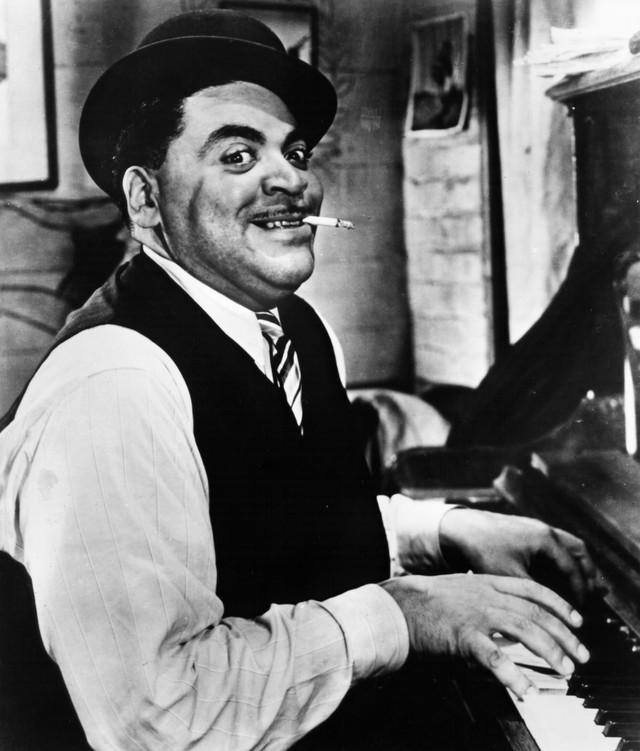
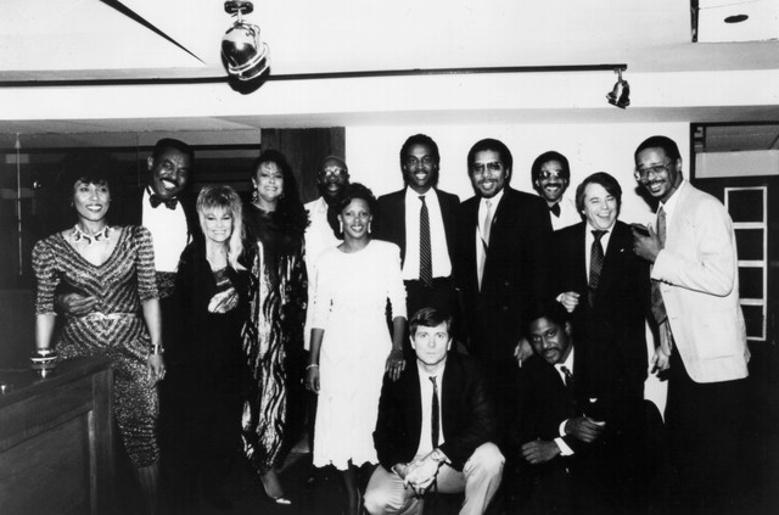
Pete Brown’s Spotify BioOne of the key eccentrics of the Harvest stable and a successful collaborative lyricist for Cream ("I Feel Free," "Sunshine of Your Love"), poet/percussionist/vocalist/trumpet player Pete Brown was one of the many artists to arise from the British beat movement in the mid- to late '60s. Like a lot of his peers, Brown's spin on progressive rock came from backgrounds in folk, jazz, and blues.
He was kicking around the scene as a poet until being approached by Cream to assist in songwriting. Upon achieving chart success with the trio, Brown decided to go the musician route. Graham Bond asked Brown to help out with some songs for the Graham Bond Organisation, and he was eventually invited to sing with the group on-stage. Once they broke up, Brown helped form the Battered Ornaments, hoping to work with musicians whose skills didn't dwarf his own. The group fell in with Harvest, the progressive subsidiary of EMI that housed the likes of Syd Barrett, Deep Purple, and Roy Harper. The Battered… Ornaments' only record with Brown, A Meal You Can Shake Hands with in the Dark, was released in 1969.
The Battered Ornaments booted Brown from the band on the night prior to a supporting gig for the Rolling Stones at Hyde Park; his vocals on the recording of the group's second record were eventually wiped off. The sacked singer immediately set about forming Piblokto!, a group that, for 1970's Things May Come and Things May Go But the Art School Dance Goes on Forever, comprised bassist Roger Bunn, guitarist Jim Mullen, organist Dave Thompson, and Battered Ornaments drummer Rob Tait. Bunn was replaced by Steve Glover for Thousands on a Raft, which was released six months after their debut. Another shift in the lineup pre-dated the final Piblokto! release, the single "Flying Hero Sandwich."
Brown teamed up again with Graham Bond for 1972's one-off Two Heads Are Better Than One, which featured contributions from several of Brown's former bandmates. With keyboardist Ian Lynn, who played on Thousands on a Raft, he formed Back to the Front, a group that performed but never recorded in their original form. They lasted until 1977; Brown faded away from music, at least in a performance sense, until 1983's Party in the Rain, which featured most of Back to the Front behind him.
The '90s saw Brown working again with Phil Ryan, a keyboardist who played with Man, the Eyes of Blue, and the final lineup of Piblokto! They made two records together, Ardours of the Lost Rake and Coals to Jerusalem. Toward the end of the decade, he formed the Interoceters, a group that performed songs from his lengthy career. Brown also maintained a working relationship with Jack Bruce and participated in the making of several records by other artists. Pete Brown died on May 19, 2023, while in treatment for cancer; he was 82 years of age. ~ Andy Kellman, Rovi
Viberate is a music analytics platform built for A&Rs, artist managers, labels, booking agents, marketers, and artists.
It helps music professionals track artist growth, analyze audience data, monitor playlist activity, compare artists, follow song performance, and identify opportunities across the music market.
Public artist pages provide a free preview of selected artist data. Paid plans provide access to deeper analytics, historical data, charts, comparisons, playlist tools, exports, alerts, reports, and additional professional features.
Yes. Public Viberate artist pages provide selected artist analytics and music data for free.
Viberate also offers a 7-day free trial of the full platform. A credit card is required to start the trial. The trial includes access to the complete product so users can test deeper artist analytics, historical views, playlist insights, comparisons, charts, exports, alerts, and reporting features before choosing a paid plan.
Viberate provides artist analytics across streaming, playlists, social media, video, radio airplay, songs, and audience markets.
Users can analyze Spotify performance, Spotify and Apple Music playlists, YouTube activity, TikTok and Instagram growth, radio spins, song performance, audience locations, demographics, rankings, and overall artist momentum.
Artist profiles also connect to music charts, similar artists, and comparison tools, helping users benchmark performance and evaluate artists in context.
Viberate updates key artist and track data daily.
For followed artists and tracks, selected data is refreshed multiple times per day. This helps teams monitor playlist changes, streaming movement, audience growth, releases, and campaign performance with more current data.
Update frequency can vary depending on the metric and data source.
Yes. Viberate lets users compare up to five artists side by side across streaming, social media, audience, and engagement metrics.
Users can compare fanbase growth, audience demographics, locations, Spotify performance, social metrics, and other artist data over selected time periods.
Artist comparison can be used for A&R scouting, benchmarking, booking decisions, campaign planning, and evaluating artists with similar audiences or market positions.