Babe Russin

Jazz
Smooth Jazz
Vocal jazz
 Viberate Rank: 594139
 Viberate Rank: 594139
 Monthly ListenersFollowers
 Subscribers
 Followers
 Followers
 FansTop Spotify Songs
| Track | 7-Day Streams | |
|---|---|---|
1 | 1.93K | |
2 | 843 | |
3 | 477 | |
4 | 477 | |
5 | 228 |
Top YouTube VideosMonthly ListenersFeatured in Playlists| Playlist | Followers | |
|---|---|---|
1 | 1940s Hits platoc | 41.65K |
2 |  Essential Classics Essential Classics | 31.39K |
3 |  1930s, 1940s Pop Songs Jeff Lyons | 17.97K |
4 | Swing Music for Dancers jquinlanspotify | 14.57K |
5 |  1940s, 1930s, and 1950s Music! Sean Cover | 6.21K |
Audience| City | Monthly Listeners | |
|---|---|---|
1 |  | 115 |
2 |  | 113 |
3 |  | 70 |
4 |  | 63 |
5 |  | 62 |
See full performance history, audience data, playlist activity, rankings, comparisons, and more in Viberate music analytics. Start with a free trial, then continue with a paid plan.
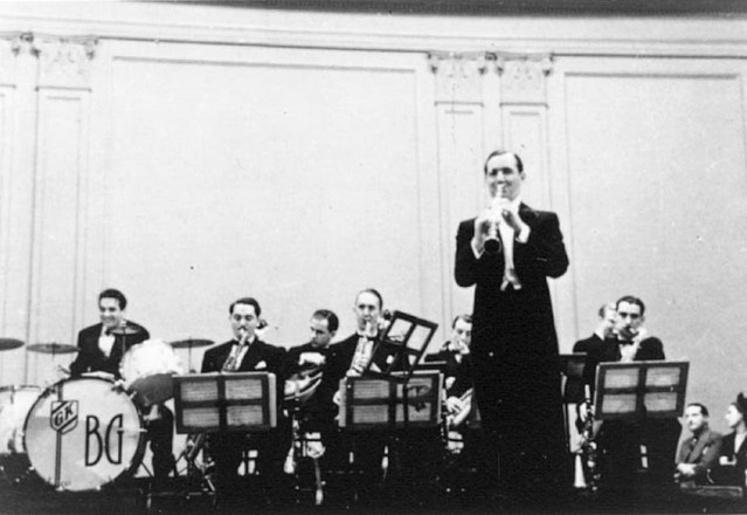
Babe Russin’s Spotify BioIf a contest was held to see what tenor saxophonist had appeared on the most records or played on the most gigs, the winner would no doubt be someone like Babe Russin, about whom even experienced jazz listeners might respond with something in the nature of "who?" Born Irving Russin in Pittsburgh in the early 1900s, Russin began playing professionally with the California Ramblers in 1926, when he was only 15 years old. He toured in Europe in 1928 and then came to New York where he worked in bands led by trumpeter Red Nichols, a relationship that was briefly interrupted by a run with the Ben Pollock combo. Russin became a staff musician for the CBC network in the '30s, but grew restless for music with some solo space and took an offer to work in the Benny Goodman band. Three months into this engagement and it was all over, as the leader pulled his favorite gag involving the loosening of the lightbulb on Russin's music stand. The drummer hit a bass bomb, the light went out, and Russin's… ability to read music was hindered severely. Apparently this was a Goodman gag which also left him in the position to fire a player by the end of the night if he felt like it, which he did in the case of poor Russin. He joined the Tommy Dorsey band, then led his own outfit in the early part of the '40s, working out of Florida as well as New York City. He worked in Jimmy Dorsey's band from 1942 to 1944, then played in an armed forces band through the second World War. In the late '40s he patched things up with Goodman and also wound up making appearances in several of Hollywood's romanticized versions of the jazz life, The Glen Miller Story and The Benny Goodman Story.
As he got older, he preferred the life of a studio musician in California, although reunions of the Goodman band would often include him in the saxophone section, his lightbulb screwed in tight. The Russin sound remained highly in demand for recording projects that desired a warm, rich, jazz saxophone sound. His early influences were players such as Coleman Hawkins, the classic jazz tenor saxophone soloist who could knock someone over with a cloud of air. Russin used this approach as a homeground or basic palatte, but was known for updating his soloing style with little bits that he appropriated from whatever new trends were going on in the music. Some of his best jazz playing was recorded with bandleader Bunny Berigan, but he has credits on an eye-straining number of albums including recordings by Frank Sinatra, Lionel Hampton, Dean Martin, Frankie Laine, Sarah Vaughan, and Dinah Washington.
There were also other musicians in the Russin family. Jack Russin played piano with Red Nichols, while sister Sunny Russo was also a professional pianist who shared her brother's love of nicknames. ~ Eugene Chadbourne, Rovi
Viberate is a music analytics platform built for A&Rs, artist managers, labels, booking agents, marketers, and artists.
It helps music professionals track artist growth, analyze audience data, monitor playlist activity, compare artists, follow song performance, and identify opportunities across the music market.
Public artist pages provide a free preview of selected artist data. Paid plans provide access to deeper analytics, historical data, charts, comparisons, playlist tools, exports, alerts, reports, and additional professional features.
Yes. Public Viberate artist pages provide selected artist analytics and music data for free.
Viberate also offers a 7-day free trial of the full platform. A credit card is required to start the trial. The trial includes access to the complete product so users can test deeper artist analytics, historical views, playlist insights, comparisons, charts, exports, alerts, and reporting features before choosing a paid plan.
Viberate provides artist analytics across streaming, playlists, social media, video, radio airplay, songs, and audience markets.
Users can analyze Spotify performance, Spotify and Apple Music playlists, YouTube activity, TikTok and Instagram growth, radio spins, song performance, audience locations, demographics, rankings, and overall artist momentum.
Artist profiles also connect to music charts, similar artists, and comparison tools, helping users benchmark performance and evaluate artists in context.
Viberate updates key artist and track data daily.
For followed artists and tracks, selected data is refreshed multiple times per day. This helps teams monitor playlist changes, streaming movement, audience growth, releases, and campaign performance with more current data.
Update frequency can vary depending on the metric and data source.
Yes. Viberate lets users compare up to five artists side by side across streaming, social media, audience, and engagement metrics.
Users can compare fanbase growth, audience demographics, locations, Spotify performance, social metrics, and other artist data over selected time periods.
Artist comparison can be used for A&R scouting, benchmarking, booking decisions, campaign planning, and evaluating artists with similar audiences or market positions.