Penetration

Rock
Alternative Rock
Pop Rock
Punk Rock
 Viberate Rank: 201725
 Viberate Rank: 201725
 Monthly ListenersFollowers
 Subscribers
 Followers
 Followers
 FansTop Spotify Songs
| Track | 7-Day Streams | |
|---|---|---|
1 | 5.50K | |
2 | 755 | |
3 | 438 | |
4 | 334 | |
5 | 317 |
Top YouTube VideosMonthly ListenersFeatured in Playlists| Playlist | Followers | |
|---|---|---|
1 |  Alternative 70s Spotify | 451.35K |
2 |  Punk Classics Filtr Legacy Sweden | 73.27K |
3 |  Women of Punk Spotify | 37.54K |
4 |  Essential // Punk Essential // Music | 19.31K |
5 |  The Evolution of Punk (In Chronological Order) kingfirley | 16.18K |
Audience| City | Monthly Listeners | |
|---|---|---|
1 | | 712 |
2 | | 384 |
3 | | 189 |
4 |  | 177 |
5 | | 170 |
See full performance history, audience data, playlist activity, rankings, comparisons, and more in Viberate music analytics. Start with a free trial, then continue with a paid plan.
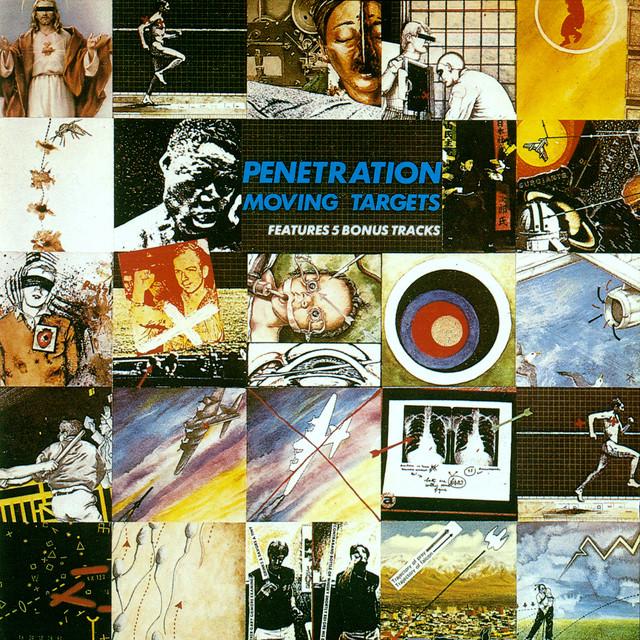
Penetration’s Spotify BioThe only summation one can make of the career of English punks Penetration is, what a disappointment. In 1977, Penetration released a classic chunk of punk rock defiance titled "Don't Dictate." With Pauline Murray's impassioned vocals (sounding a bit like X-Ray Spex's Poly Styrene) leading the way, this was a blazing piece of anti-authoritarian rant: loud, snotty, and proud. Sadly, it was to be the one song they remained best noted for (assuming there are people who still remember Penetration). The problem was that they traded in barely competent but energetic bashing and thrashing for a more "mature" new wave/"punk-ish" rock sound. As a result, their debut LP, Moving Targets, although it has its moments, never lived up to the promise of "Don't Dictate." Still, Pauline Murray was a force to be reckoned with. Easily one of the best singers to come out of English punk rock, she made the band interesting even when the songs weren't there, the production was overwrought, and the whole… enterprise was terribly uneven. It was to the surprise of no one that by 1980 she was fronting a new band, the Invisible Girls, who based on Murray's strengths became known as Pauline Murray and the Invisible Girls. Still, major success eluded Murray, and she later moved into singing more elegant, mainstream pop/rock, remaining one of England's best unknown singers. ~ John Dougan, Rovi
Viberate is a music analytics platform built for A&Rs, artist managers, labels, booking agents, marketers, and artists.
It helps music professionals track artist growth, analyze audience data, monitor playlist activity, compare artists, follow song performance, and identify opportunities across the music market.
Public artist pages provide a free preview of selected artist data. Paid plans provide access to deeper analytics, historical data, charts, comparisons, playlist tools, exports, alerts, reports, and additional professional features.
Yes. Public Viberate artist pages provide selected artist analytics and music data for free.
Viberate also offers a 7-day free trial of the full platform. A credit card is required to start the trial. The trial includes access to the complete product so users can test deeper artist analytics, historical views, playlist insights, comparisons, charts, exports, alerts, and reporting features before choosing a paid plan.
Viberate provides artist analytics across streaming, playlists, social media, video, radio airplay, songs, and audience markets.
Users can analyze Spotify performance, Spotify and Apple Music playlists, YouTube activity, TikTok and Instagram growth, radio spins, song performance, audience locations, demographics, rankings, and overall artist momentum.
Artist profiles also connect to music charts, similar artists, and comparison tools, helping users benchmark performance and evaluate artists in context.
Viberate updates key artist and track data daily.
For followed artists and tracks, selected data is refreshed multiple times per day. This helps teams monitor playlist changes, streaming movement, audience growth, releases, and campaign performance with more current data.
Update frequency can vary depending on the metric and data source.
Yes. Viberate lets users compare up to five artists side by side across streaming, social media, audience, and engagement metrics.
Users can compare fanbase growth, audience demographics, locations, Spotify performance, social metrics, and other artist data over selected time periods.
Artist comparison can be used for A&R scouting, benchmarking, booking decisions, campaign planning, and evaluating artists with similar audiences or market positions.