The Adverts

Punk
Punk Rock
Garage Rock
 Viberate Rank: 117225
 Viberate Rank: 117225
 Monthly ListenersFollowers
 Subscribers
 Followers
 Followers
 FansTop Spotify Songs
| Track | 7-Day Streams | |
|---|---|---|
1 | 7.99K | |
2 | 3.88K | |
3 | 2.45K | |
4 | 1.25K | |
5 | 756 |
Top YouTube Videos| Video | 7-Day Views | |
|---|---|---|
1 | 243 | |
2 | 37 | |
3 | 4 | |
4 | 1 |
Monthly ListenersFeatured in Playlists| Playlist | Followers | |
|---|---|---|
1 |  Alternative 70s Spotify | 451.35K |
2 |  Punk Classics Filtr Legacy Sweden | 73.27K |
3 |  Top 100 Indie Top Charts | 33.36K |
4 | 80's New Wave Pascal Amiaud | 31.90K |
5 |  1001 albums you must hear before you die Manel Juanico Iveldie | 26.57K |
Audience| City | Monthly Listeners | |
|---|---|---|
1 | | 1.17K |
2 | | 671 |
3 |  | 520 |
4 | | 337 |
5 | | 332 |
See full performance history, audience data, playlist activity, rankings, comparisons, and more in Viberate music analytics. Start with a free trial, then continue with a paid plan.
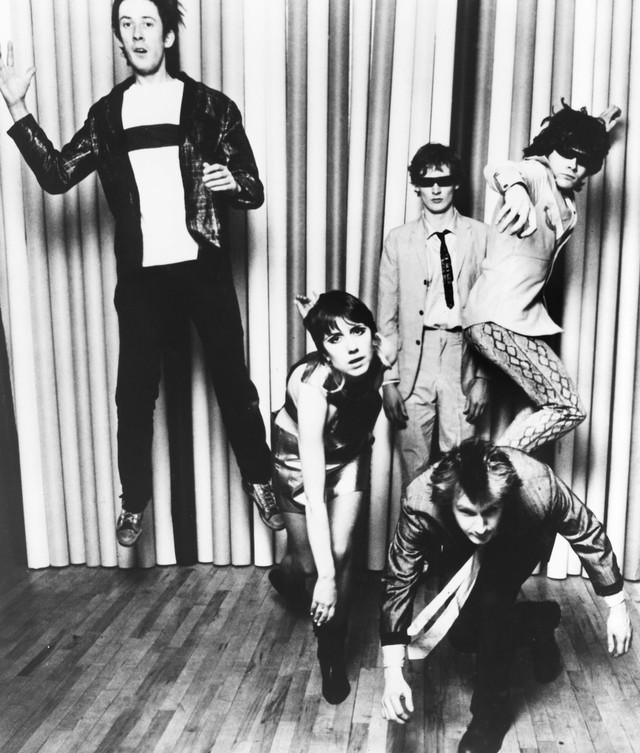
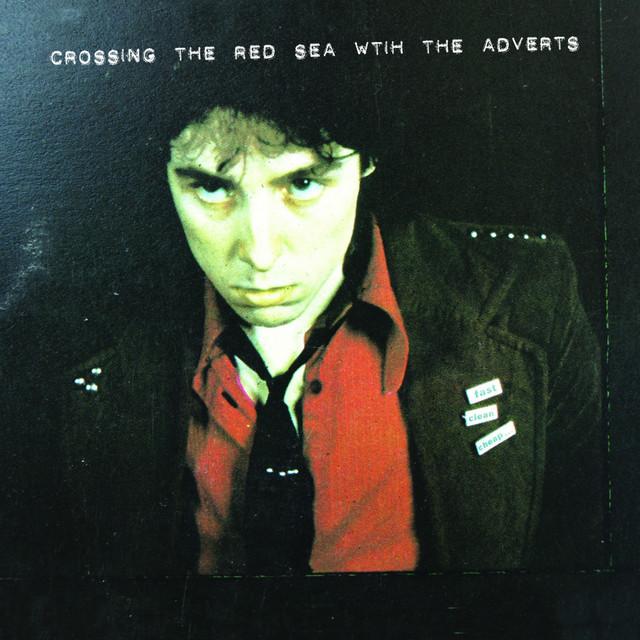
The Adverts’ Spotify BioWith their raw, enthusiastic immaturity, the Adverts were a bright, though short-lived, light of the punk era, distinguished by the fact that their bassist, Gaye Advert, was one of the first female stars of punk rock. After they (barely) mastered one chord, the Adverts began playing at London's Roxy Club in 1976, where they quickly came to the attention of the Damned's guitarist Brian James. James offered the band an opening spot on the Damned's tour and directed them toward Stiff Records. Stiff released their self-deprecating debut single, "One Chord Wonders," in 1977, when the band could still barely play, but when they released their second single, the disturbingly funny "Gary Gilmore's Eyes," the group rocketed into the U.K. Top 20 in a storm of controversy. The Adverts' first album, Crossing the Red Sea With the Adverts, fulfilled the single's promise, but the second, 1979's Cast of Thousands, sounded like they poured all of their musical ideas into their first album; the group… broke up the following year. ~ Stephen Thomas Erlewine, Rovi
Viberate is a music analytics platform built for A&Rs, artist managers, labels, booking agents, marketers, and artists.
It helps music professionals track artist growth, analyze audience data, monitor playlist activity, compare artists, follow song performance, and identify opportunities across the music market.
Public artist pages provide a free preview of selected artist data. Paid plans provide access to deeper analytics, historical data, charts, comparisons, playlist tools, exports, alerts, reports, and additional professional features.
Yes. Public Viberate artist pages provide selected artist analytics and music data for free.
Viberate also offers a 7-day free trial of the full platform. A credit card is required to start the trial. The trial includes access to the complete product so users can test deeper artist analytics, historical views, playlist insights, comparisons, charts, exports, alerts, and reporting features before choosing a paid plan.
Viberate provides artist analytics across streaming, playlists, social media, video, radio airplay, songs, and audience markets.
Users can analyze Spotify performance, Spotify and Apple Music playlists, YouTube activity, TikTok and Instagram growth, radio spins, song performance, audience locations, demographics, rankings, and overall artist momentum.
Artist profiles also connect to music charts, similar artists, and comparison tools, helping users benchmark performance and evaluate artists in context.
Viberate updates key artist and track data daily.
For followed artists and tracks, selected data is refreshed multiple times per day. This helps teams monitor playlist changes, streaming movement, audience growth, releases, and campaign performance with more current data.
Update frequency can vary depending on the metric and data source.
Yes. Viberate lets users compare up to five artists side by side across streaming, social media, audience, and engagement metrics.
Users can compare fanbase growth, audience demographics, locations, Spotify performance, social metrics, and other artist data over selected time periods.
Artist comparison can be used for A&R scouting, benchmarking, booking decisions, campaign planning, and evaluating artists with similar audiences or market positions.