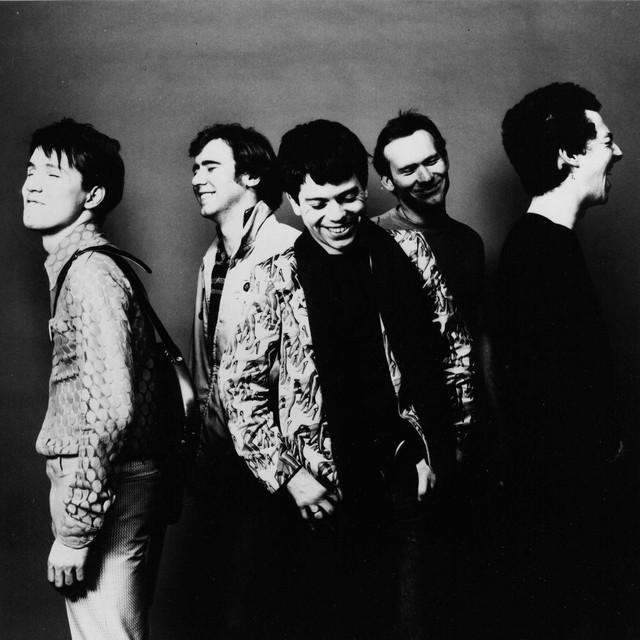
The Members

Punk
Punk Rock
Pop Rock
 Viberate Rank: 137891
 Viberate Rank: 137891
 Monthly ListenersFollowers
 Subscribers
 Followers
 Followers
 FansTop Spotify Songs
| Track | 7-Day Streams | |
|---|---|---|
1 | 15.89K | |
2 | 2.06K | |
3 | 916 | |
4 | 713 | |
5 | 704 |
Top YouTube VideosMonthly ListenersFeatured in Playlists| Playlist | Followers | |
|---|---|---|
1 |  Alternative 70s Spotify | 451.35K |
2 |  Punk Classics Filtr Legacy Sweden | 73.27K |
3 | 80's New Wave Pascal Amiaud | 31.90K |
4 |  PUNK (70s+80s) (Ultimate Playlist) KERRIO88 | 22.16K |
5 |  Ska, Mod, Punk and New Wave Mr Generation X | 20.89K |
Audience| City | Monthly Listeners | |
|---|---|---|
1 | | 2.71K |
2 | | 1.53K |
3 | | 878 |
4 |  | 774 |
5 | | 758 |
See full performance history, audience data, playlist activity, rankings, comparisons, and more in Viberate music analytics. Start with a free trial, then continue with a paid plan.
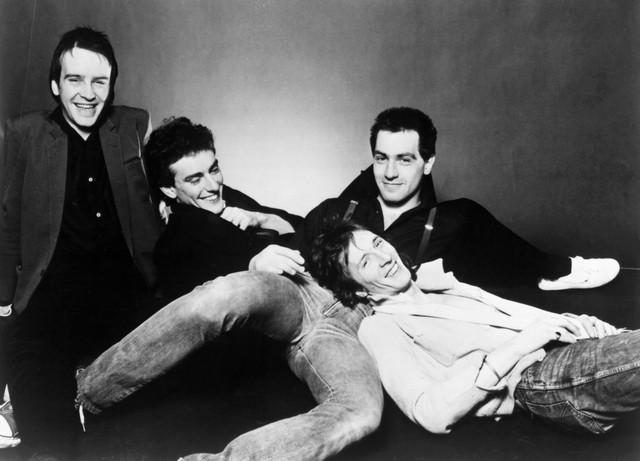
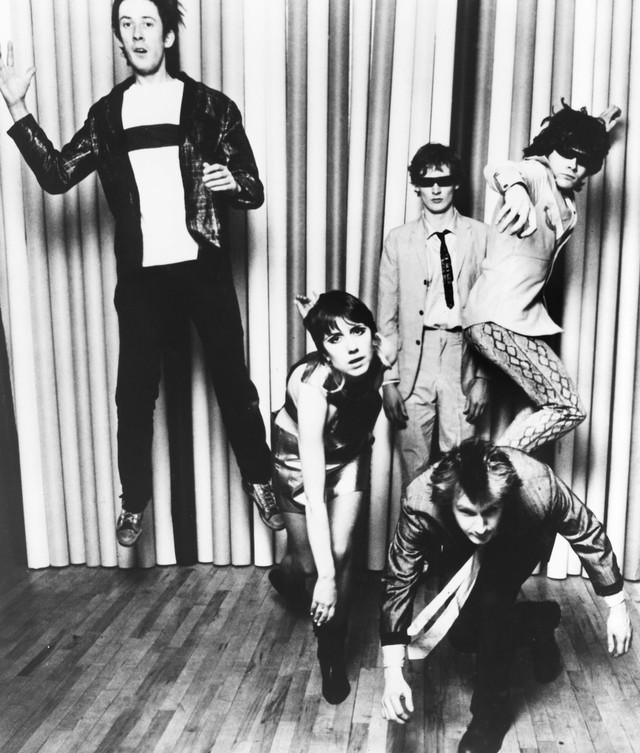
The Members’ Spotify BioFormed in Surrey, England, in the summer of 1977, the Members were among the new wave of British bands jumping on the punk bandwagon. The group -- composed of Nicky Tesco (vocals), Jean-Marie Carroll (guitar), Gary Baker (guitar), Adrian Lillywhite (drums), and Chris Payne (bass) -- was among the first to successfully blend reggae rhythms with punk's attitude and aggression. Stiff Records saw some promise in the band and signed them early in 1978, releasing their first single, "Solitary Confinement." The success of the single led to their signing with Virgin Records in 1979. Their Virgin debut single, "Sound of the Suburbs," made it into the British Top 20 but subsequent singles failed to match its success. After replacing Baker with Nigel Bennett, they recorded their first LP, At the Chelsea Nightclub, which also made a brief appearance in the lower reaches of the U.K. charts.
Around this time, the 2-Tone movement was stealing much of their limelight and their popularity began to fade.… After one more album for Virgin in 1980, 1980 the Choice Is Yours, they were dropped by the label. After a brief layoff, they returned in 1982 with Uprhythm, Downbeat (released in 1983 in the U.K. as Going West), broadening their sound with horns and a more serious attitude. The album's "Working Girl" became a cult classic in the U.S. through MTV exposure, but mainstream acceptance eluded them on both sides of the Atlantic. The band called it quits the following year. Carroll became a film composer, noted for working with Julien Temple, and in 2008, an incarnation of the band toured around the world, including Glastonbury and the Isle of Wight Festival. The Members also returned to recording, with a lineup that included Carroll, Payne, Bennett, and drummer Nick Cash. Tesco, having bowed out due to health problems, was replaced by the Damned's Rat Scabies. The band recorded two albums, 2012's InGrrLand and 2016's One Law. Nicky Tesco died on February 26, 2022 at the age of 66. ~ Chris Woodstra, Rovi
Viberate is a music analytics platform built for A&Rs, artist managers, labels, booking agents, marketers, and artists.
It helps music professionals track artist growth, analyze audience data, monitor playlist activity, compare artists, follow song performance, and identify opportunities across the music market.
Public artist pages provide a free preview of selected artist data. Paid plans provide access to deeper analytics, historical data, charts, comparisons, playlist tools, exports, alerts, reports, and additional professional features.
Yes. Public Viberate artist pages provide selected artist analytics and music data for free.
Viberate also offers a 7-day free trial of the full platform. A credit card is required to start the trial. The trial includes access to the complete product so users can test deeper artist analytics, historical views, playlist insights, comparisons, charts, exports, alerts, and reporting features before choosing a paid plan.
Viberate provides artist analytics across streaming, playlists, social media, video, radio airplay, songs, and audience markets.
Users can analyze Spotify performance, Spotify and Apple Music playlists, YouTube activity, TikTok and Instagram growth, radio spins, song performance, audience locations, demographics, rankings, and overall artist momentum.
Artist profiles also connect to music charts, similar artists, and comparison tools, helping users benchmark performance and evaluate artists in context.
Viberate updates key artist and track data daily.
For followed artists and tracks, selected data is refreshed multiple times per day. This helps teams monitor playlist changes, streaming movement, audience growth, releases, and campaign performance with more current data.
Update frequency can vary depending on the metric and data source.
Yes. Viberate lets users compare up to five artists side by side across streaming, social media, audience, and engagement metrics.
Users can compare fanbase growth, audience demographics, locations, Spotify performance, social metrics, and other artist data over selected time periods.
Artist comparison can be used for A&R scouting, benchmarking, booking decisions, campaign planning, and evaluating artists with similar audiences or market positions.