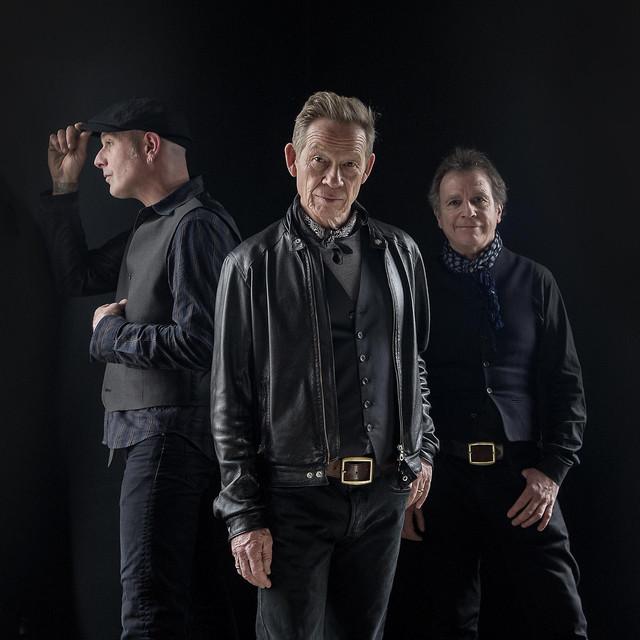
The Lurkers

Punk
Punk Rock
Pop Punk
 Viberate Rank: 189909
 Viberate Rank: 189909
 Monthly ListenersFollowers
 Subscribers
 Followers
 Followers
 FansTop Spotify Songs
| Track | 7-Day Streams | |
|---|---|---|
1 | 2.81K | |
2 | 1.08K | |
3 | 685 | |
4 | 530 | |
5 | 384 |
Top YouTube VideosMonthly ListenersFeatured in Playlists| Playlist | Followers | |
|---|---|---|
1 |  Punk Classics Filtr Legacy Sweden | 73.30K |
2 |  PUNK (70s+80s) (Ultimate Playlist) KERRIO88 | 22.16K |
3 |  The Evolution of Punk (In Chronological Order) kingfirley | 16.17K |
4 |  70's PUNK ROCK kristian | 16.11K |
5 | British Punk Rock (1976 - Present) Punkyn | 14.78K |
Audience| City | Monthly Listeners | |
|---|---|---|
1 | | 335 |
2 |  | 210 |
3 | | 197 |
4 |  | 156 |
5 |  | 134 |
See full performance history, audience data, playlist activity, rankings, comparisons, and more in Viberate music analytics. Start with a free trial, then continue with a paid plan.
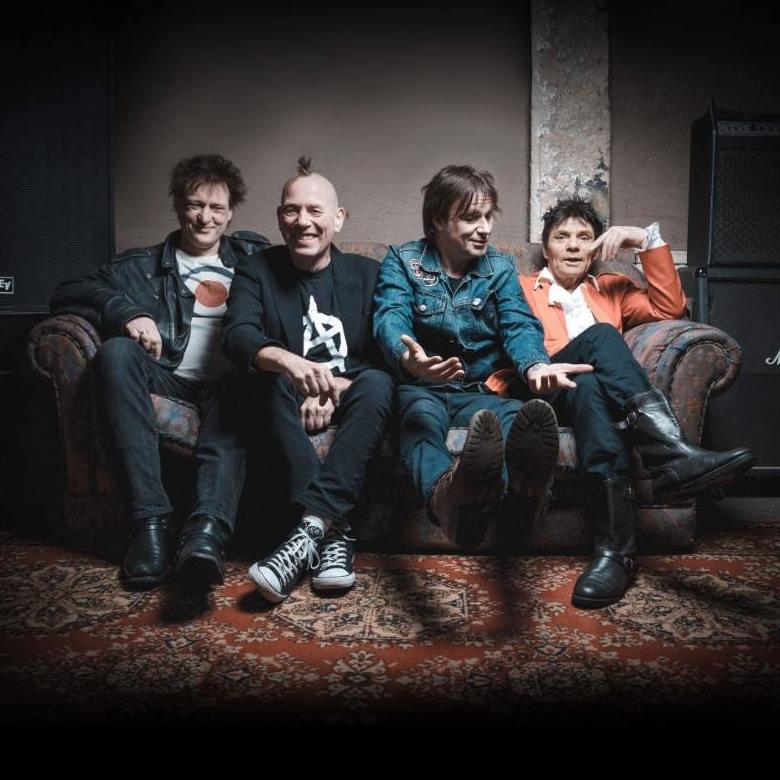
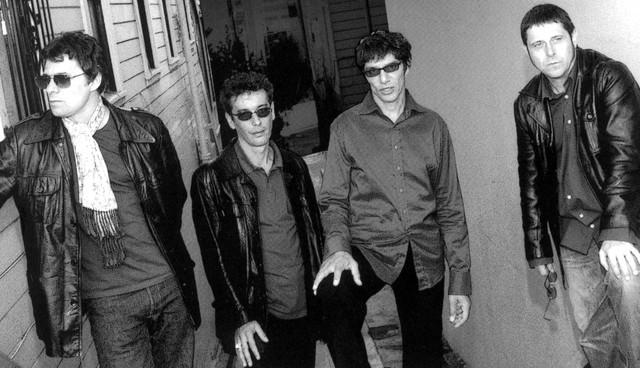
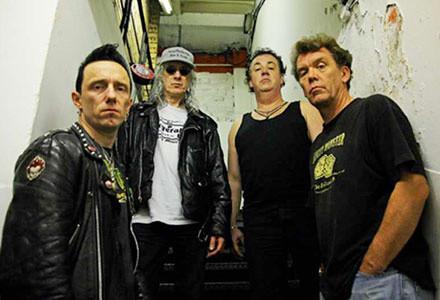
The Lurkers’ Spotify BioThe Lurkers were part of the first wave of British punk bands to emerge in the mid-'70s, playing tough, meat-and-potatoes rock & roll with plenty of attitude and a jaundiced eye toward the world around them. Unlike many of the bands on the early U.K. scene, the Lurkers were not especially interested in social or political matters, but their regular-guy attitude, unpretentious sound, and shout-along choruses -- as evidenced on early singles like "Shadow," "Ain't Got a Clue," and "Just Thirteen" -- anticipated the sound of second-wave U.K. punks such as the U.K. Subs and the Exploited. They were important figures in the early days of the British scene, while going on to a second run in the late '80s that would make them mainstays on the punk circuit at home and abroad. As the band moved into the 2000s, their style had barely changed -- while 2008's Fried Brains showed a bit more of a metal edge in the guitars, the approach remained into-the-wind 1977-style punk, and proudly so. In 2010,… an offshoot line-up of the band emerged, also known as God's Lonely Men and the Lurkers GLM, that offered a darker, heavier spin on the band's classic themes on albums like 2012's Chemical Landslide and 2016's The Future's Calling.
The first line-up of the Lurkers came together in 1976 in the West London community of Uxbridge. Featuring Pete "Plug" Edwards on lead vocals, Pete Stride on guitar, Nigel Moore on bass, and Pete "Manic Esso" Haynes on drums, the band made their stage debut in December of that year as the opening act at a Screaming Lord Sutch show, where they performed for an audience of ten. Shortly after that first gig, Moore left the band, and Arturo Bassick took over on bass. The Lurkers earned their stripes as a live act, sharing stages with the likes of the Jam, Slaughter and the Dogs, and Eater, as well as performing regularly at the Roxy, one of London's first venues for punk. As word about the Lurkers spread, they signed a record contract with the fledgling independent label Beggars Banquet, and "Shadow" b/w "Love Story" would become the imprint's first release in July 1977. Influential BBC disc jockey John Peel gave the single frequent airplay, and at the end of 1977, when Peel released his "Festive Fifty" list of the year's best songs, "Shadow" was in the number 11 spot, while "Love Story" came in at 31. Between October 1977 and January 1979, Peel would feature live-in-the-studio sets from the group four times.
The second Lurkers single, "Freak Show" b/w "Mass Media Believer," was released in October 1977, and by the time it was released, Arturo Bassick had left the band to form his own group, Pinpoint. Kym Bradshaw, formerly of the Saints, briefly sat in on bass before Nigel Moore returned to the group in time to cut their third single, "Ain't Got a Clue" b/w "Ooh Ooh I Love You," which hit stores in May 1978, rising to number 45 on the U.K. pop charts. Their first full-length album, Fulham Fallout, followed one month later, and April 1979 brought their second LP, God's Lonely Men. It was preceded by the single "Just Thirteen" b/w "Countdown," which Mojo Magazine declared one of the best punk singles of all time in a 2001 feature. Another Lurkers tune, "I'm on Heat," would appear on the popular 1979 punk/new wave compilation 20 of a Different Kind, and in November 1979, they would drop a three-song single, "New Guitar in Town" b/w "Pick Me Up" and "Little Ol' Wine Drinker Me." God's Lonely Men proved to be a commercial disappointment, and the Lurkers were soon at odds with Beggars Banquet as the label was devoting most of its promotional efforts to new signing Gary Numan. Frustrated, the Lurkers broke up in 1980.
The Lurkers didn't stay out of action for long, and in 1982, guitarist Pete Stride put the band back together, with Stride and original members Nigel Moore and Manic Esso Haynes joined by a new vocalist, Marc Fincham, who also played keyboards. This edition of the Lurkers cut four singles for the independent Clay Records label between 1982 and 1984, and the material was later collected on the LP This Dirty Town. By the end of 1984, the Lurkers had once again called it a day, but fate stepped in when former bassist Arturo Bassick met the members of the popular German punk band Die Toten Hosen in 1987. Bassick learned that Die Toten Hosen were serious Lurkers fans, enough so that they were willing to bankroll a new album from the group. Bassick brought the Lurkers back together, with himself on lead vocals, Pete Stride on guitar, and Nigel Moore on bass. For their first reunion show, Manic Esso played drums, and when they released their reunion album, 1988's Wild Times Again, he was the credited percussionist, but Dan Tozer played on much of the album and became their steady drummer. The band toured regularly, with Die Toten Hosen frequently hiring them as their opening act for European tours, and they continued to record, delivering King of the Mountain in 1989 and Powerjive in 1990. Bassick would also assist Die Toten Hosen with their 1992 album Learning English: Lesson One, which saw them covering their favorite U.K. punk tunes, with members of the original bands sitting in; Bassick would also sing lead on a cover of Pinpoint's "Richmond." In 1993, Nigel Moore left the group, and Pete Stride followed the following year.
While the loss of Moore and Stride left Bassick as the only original member left in the Lurkers, he soldiered on, performing with a rotating line-up of bandmates (though Dave Kemp was usually his guitar foil) and periodically recording, releasing 1997's Take Me Back to Babylon, 2003's 26 Years, and 2008's Fried Brains. Bassick was also a touring member of 999 during this era, in addition to working with his country-punk side project the Blazing Saddles and playing solo as Big Art Peters. Meanwhile, longtime bandmates Pete Stride, Manic Esso, and Nigel Moore returned to duty in the 2010s, initially performing under the name God's Lonely Men. Under that moniker, they issued an album, Chemical Landslide, in 2012, adopting a heavier and darker variation on the sound they created with the Lurkers. In 2016, they revised the billing to the Lurkers GLM, and brought out the album The Future's Calling. The group then streamlined the name to simply the Lurkers and began working with vocalist Danie Centric. This edition of the Lurkers released a single through Damaged Goods in 2019, "Electrical Guitar" b/w "That Was Julia." ~ Mark Deming
Viberate is a music analytics platform built for A&Rs, artist managers, labels, booking agents, marketers, and artists.
It helps music professionals track artist growth, analyze audience data, monitor playlist activity, compare artists, follow song performance, and identify opportunities across the music market.
Public artist pages provide a free preview of selected artist data. Paid plans provide access to deeper analytics, historical data, charts, comparisons, playlist tools, exports, alerts, reports, and additional professional features.
Yes. Public Viberate artist pages provide selected artist analytics and music data for free.
Viberate also offers a 7-day free trial of the full platform. A credit card is required to start the trial. The trial includes access to the complete product so users can test deeper artist analytics, historical views, playlist insights, comparisons, charts, exports, alerts, and reporting features before choosing a paid plan.
Viberate provides artist analytics across streaming, playlists, social media, video, radio airplay, songs, and audience markets.
Users can analyze Spotify performance, Spotify and Apple Music playlists, YouTube activity, TikTok and Instagram growth, radio spins, song performance, audience locations, demographics, rankings, and overall artist momentum.
Artist profiles also connect to music charts, similar artists, and comparison tools, helping users benchmark performance and evaluate artists in context.
Viberate updates key artist and track data daily.
For followed artists and tracks, selected data is refreshed multiple times per day. This helps teams monitor playlist changes, streaming movement, audience growth, releases, and campaign performance with more current data.
Update frequency can vary depending on the metric and data source.
Yes. Viberate lets users compare up to five artists side by side across streaming, social media, audience, and engagement metrics.
Users can compare fanbase growth, audience demographics, locations, Spotify performance, social metrics, and other artist data over selected time periods.
Artist comparison can be used for A&R scouting, benchmarking, booking decisions, campaign planning, and evaluating artists with similar audiences or market positions.