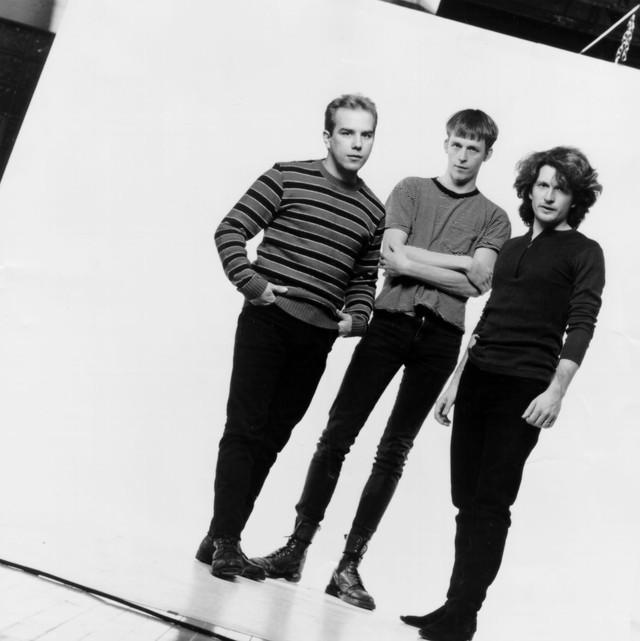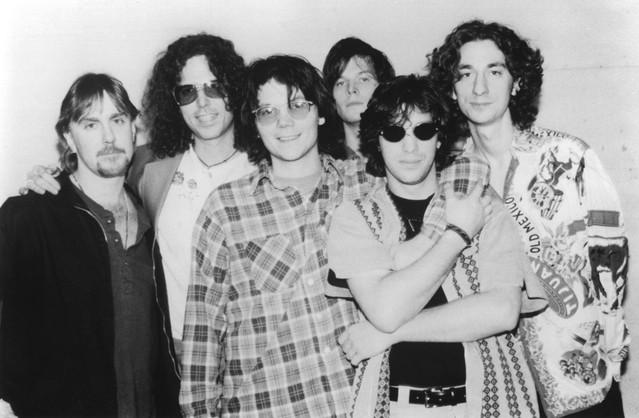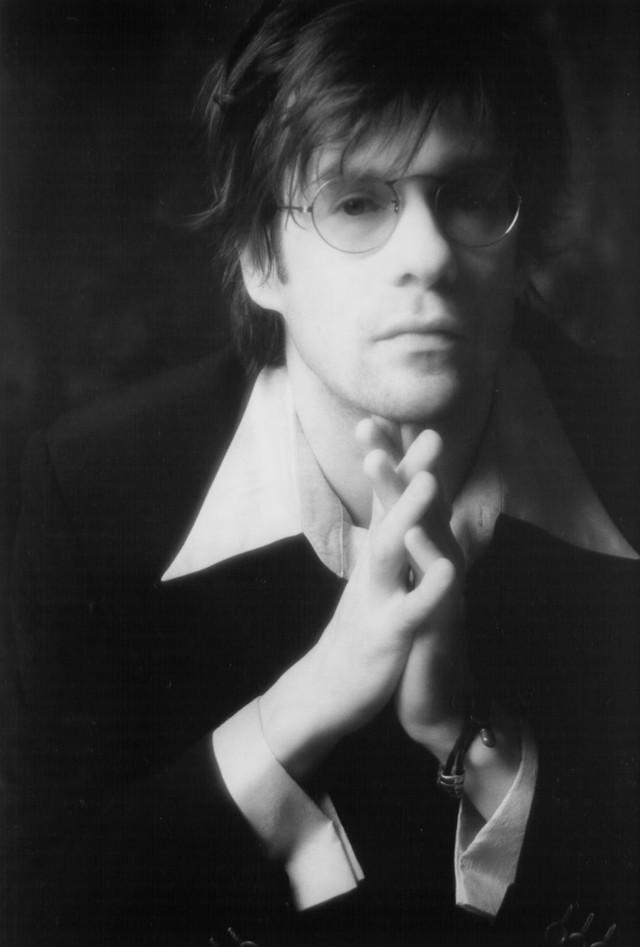
Paul Westerberg

Rock
Alternative Rock
Power Pop
 Viberate Rank: 95335
 Viberate Rank: 95335
 Monthly ListenersFollowers
 Subscribers
 Followers
 Followers
 FansTop Spotify Songs
| Track | 7-Day Streams | |
|---|---|---|
1 | 21.75K | |
2 | 8.57K | |
3 | 4.66K | |
4 | 4.28K | |
5 | 3.96K |
Top YouTube VideosMonthly ListenersFeatured in Playlists| Playlist | Followers | |
|---|---|---|
1 |  90s Pop Rock Spotify | 1.53M |
2 |  90s ALT ROCK Filtr US | 687.27K |
3 |  Soundtrack Love Songs Spotify | 657.76K |
4 |  Power Pop Spotify | 165.55K |
5 | GRUNGE zerubi | 80.90K |
Audience| City | Monthly Listeners | |
|---|---|---|
1 | | 3.05K |
2 | | 2.33K |
3 | | 1.78K |
4 | | 1.68K |
5 | | 1.55K |
See full performance history, audience data, playlist activity, rankings, comparisons, and more in Viberate music analytics. Start with a free trial, then continue with a paid plan.
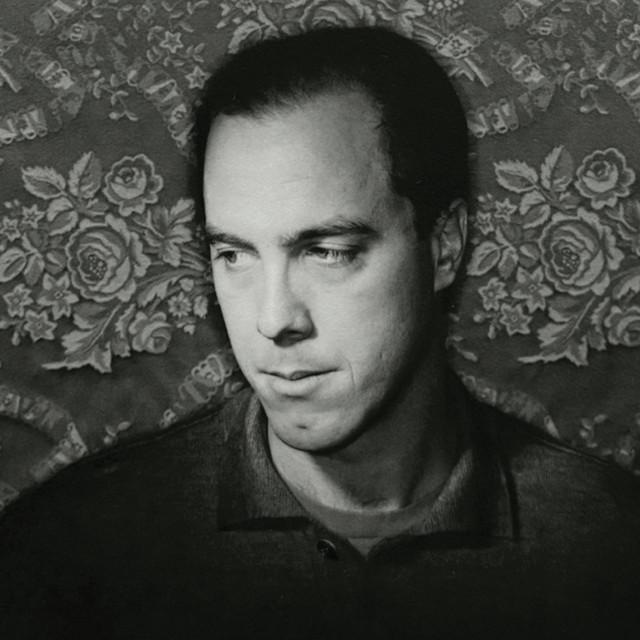
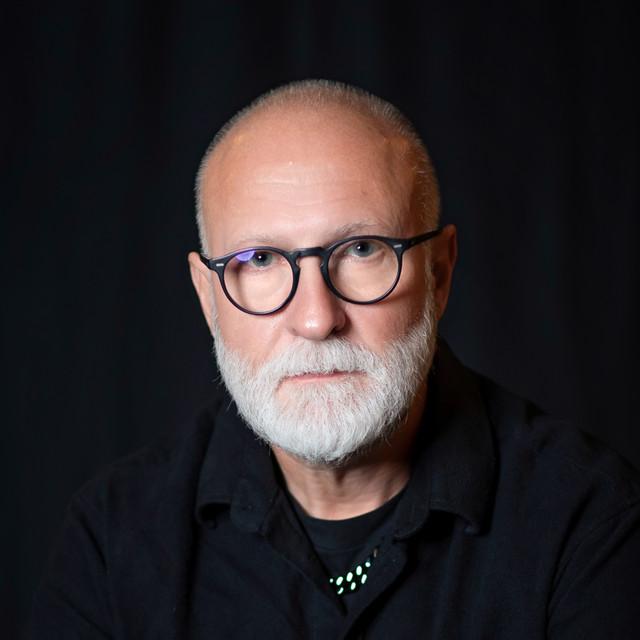
Paul Westerberg’s Spotify BioAs the lead singer and principal songwriter of the Replacements, Paul Westerberg was one of the most influential and beloved figures in American underground rock, noted for his ability to wed gloriously sloppy, guitar-heavy rock with lyrics that were smart, introspective, and emotionally revealing just as often as they were snarky, raucous fun. As a solo artist after the Replacements' breakup in the early '90s, Westerberg dialed down the more outré side of his personality (though he never fully abandoned it) in favor of work that played up the literate singer/songwriter influences in his songs. During his years in the Replacements, it would have been all but impossible to imagine Westerberg recording low-key acoustic albums or writing the songs for a family-friendly animated feature film, but 2002's Stereo and 2006's Open Season (Original Soundtrack) found him respectively doing just that, and without fully compromising himself. His early solo albums, such as 1993's 14 Songs and 1999's… Suicaine Gratifaction, were the works of an artist finding a middle ground between his anarchic spirit and a more adult professionalism, while 2002's Mono, 2003's Come Feel Me Tremble, and 2008's online-only 49:00 were home-recorded projects that gave him more room to indulge his idiosyncrasies while showing he was not a spent force as a songwriter.
Paul Westerberg was born in Minneapolis on December 31, 1959. He bought his first guitar, a battered acoustic, from his sister when he was 12 years old, and in high school he graduated to an electric guitar, becoming a voracious reader of rock magazines and studying the recordings of Alvin Lee, Johnny Winter, and Duane Allman as he refined his style. He played in a handful of informal bands in high school, and hearing the Sex Pistols for the first time changed his musical world view. After graduating high school, Westerberg opted not to go to college, and he played in a number of unmemorable bands while earning a living as a janitor. While walking home from work one day in 1979, he passed a house where he heard a band playing a ridiculously fast and loud version of the Yes chestnut "Roundabout." The group was Dogbreath, and eventually he introduced himself to the scruffy rockers. Westerberg joined the band, slowly taking control of the vocals and songwriting, and before long they changed their name to the Replacements.
Between 1981 and 1989, the Replacements would release six albums, as they grew from a hapless, beer-sodden quartet of Minneapolis nobodies to a critically celebrated band with a significant following. They still remained beer-sodden, and the group's alcohol and drug intake and self-destructive bent meant they were on borrowed time as the '80s gave way to the '90s. The Replacements were all but done when they recorded 1990's All Shook Down; only one track featured all four members of the band, and the relative polish and maturity of the album led many to regard it as a Paul Westerberg solo effort in all but name. On July 4, 1991, the Replacements played their final show, and in 1992, Westerberg made his bow as a solo artist with two songs on the soundtrack of the film Singles.
Westerberg signed a solo deal with Reprise Records, and in the summer of 1993, he brought out his first album on his own, 14 Songs. The record received plentiful coverage in the music press, and the song "World Class Fad" was a minor hit on modern rock radio, but it failed to break through to mainstream listeners and sales were less than the label had hoped. Westerberg's second solo LP, Eventually, went through a convoluted production process before arriving in 1996. One of the songs, "Love Untold," went to number 21 on the Alternative Songs chart, but reviews were mixed and once again Reprise was unhappy with sales figures.
In 1997, Westerberg cut ties with Reprise, and he released a rough-hewn, small-label EP and single that year under the name Grandpaboy. Before 1997 was out, Westerberg had signed a new deal with Capitol Records, and his first long-player for the label, the Don Was-produced Suicaine Gratifaction, came out in February 1999. The album, an introspective and downbeat effort, received strong reviews, but Capitol Records was going through a large-scale management shake-up as it was being released, and the lack of promotion led to the record disappearing with little notice.
Westerberg unsurprisingly gave up on the major labels and dropped out of the public eye. After three years of silence, he abruptly resurfaced in 2002; he signed with the independent punk label Vagrant Records, and came back with two albums he recorded in his basement studio, playing all the instruments himself. Stereo was a thoughtful, mostly acoustic effort with a few rough edges, and Mono (credited to Grandpaboy) was an electric set that was closer in spirit to the early Replacements material. (Mono was available individually and as a bonus disc with Stereo; they were reissued together on vinyl in 2019 as a two-LP gatefold package.) This kicked off a prolific period for Westerberg. He released Come Feel Me Tremble on Vagrant in 2003 (the CD was accompanied by a DVD documentary of the same name); at roughly the same time another Grandpaboy album, Dead Man's Shake, was issued by Fat Possum; and the measured and introspective Folker came out on Vagrant in 2004.
The following year, two compilations drawn from Westerberg's Reprise era became available, Besterberg: The Best of Paul Westerberg and a set of rarities called The Resterberg. That same year, Westerberg reunited with Replacements bandmates Tommy Stinson and Chris Mars to record two songs that appeared as bonus tracks on 2006's Don't You Know Who I Think I Was?: The Best of the Replacements. Westerberg was tapped to write songs for the CGI animated film Open Season, not an assignment one might have expected from the guy who wrote "Gary's Got a Boner" or "I Bought a Headache," and the film's soundtrack album was issued in September 2006.
After this busy four-year stretch, Westerberg once again retreated from view before releasing a digital-only album, 49:00, in 2008, which per his wishes was sold for just 49 cents. It was the first of a steady stream of informal, homemade efforts that Westerberg would make available online over the next several years, some through his Dry Wood Music website and others on his SoundCloud account, which bore the name User 964848511. Outside of his occasional digital releases, Westerberg stayed under the radar until 2012, when he and Tommy Stinson recorded four songs as the Replacements for Songs for Slim, the first in a series of releases benefitting Slim Dunlap, the latter-day Replacements guitarist who was in dire financial straits after a stroke.
In 2013, the Replacements were booked as headliners at the Riot Fest music festivals being held in August and September in Toronto, Chicago, and Denver, with Westerberg and Stinson joined by guitarist Dave Minehan and drummer Josh Freese. The Riot Fest appearances were well received by critics and fans, and it led to a run of festival appearances and occasional stand-alone dates. While the band posted a 24-minute jazz-influenced instrumental called "Poke Me in My Cage" on SoundCloud and they performed a new song, "Whole Food Blues," on-stage, plans for a reunion album were scrapped when Westerberg and Stinson were unhappy with the initial sessions. During their set at the Primavera Sound Festival in Portugal on June 5, 2015, Westerberg announced it was the Replacements' final show. Next, Westerberg introduced a new project, the I Don't Cares, a collaboration with fellow alternative rock veteran Juliana Hatfield. Their debut album, Wild Stab, came out on Westerberg's Dry Wood label in early 2016. ~ Mark Deming, Rovi
Viberate is a music analytics platform built for A&Rs, artist managers, labels, booking agents, marketers, and artists.
It helps music professionals track artist growth, analyze audience data, monitor playlist activity, compare artists, follow song performance, and identify opportunities across the music market.
Public artist pages provide a free preview of selected artist data. Paid plans provide access to deeper analytics, historical data, charts, comparisons, playlist tools, exports, alerts, reports, and additional professional features.
Yes. Public Viberate artist pages provide selected artist analytics and music data for free.
Viberate also offers a 7-day free trial of the full platform. A credit card is required to start the trial. The trial includes access to the complete product so users can test deeper artist analytics, historical views, playlist insights, comparisons, charts, exports, alerts, and reporting features before choosing a paid plan.
Viberate provides artist analytics across streaming, playlists, social media, video, radio airplay, songs, and audience markets.
Users can analyze Spotify performance, Spotify and Apple Music playlists, YouTube activity, TikTok and Instagram growth, radio spins, song performance, audience locations, demographics, rankings, and overall artist momentum.
Artist profiles also connect to music charts, similar artists, and comparison tools, helping users benchmark performance and evaluate artists in context.
Viberate updates key artist and track data daily.
For followed artists and tracks, selected data is refreshed multiple times per day. This helps teams monitor playlist changes, streaming movement, audience growth, releases, and campaign performance with more current data.
Update frequency can vary depending on the metric and data source.
Yes. Viberate lets users compare up to five artists side by side across streaming, social media, audience, and engagement metrics.
Users can compare fanbase growth, audience demographics, locations, Spotify performance, social metrics, and other artist data over selected time periods.
Artist comparison can be used for A&R scouting, benchmarking, booking decisions, campaign planning, and evaluating artists with similar audiences or market positions.