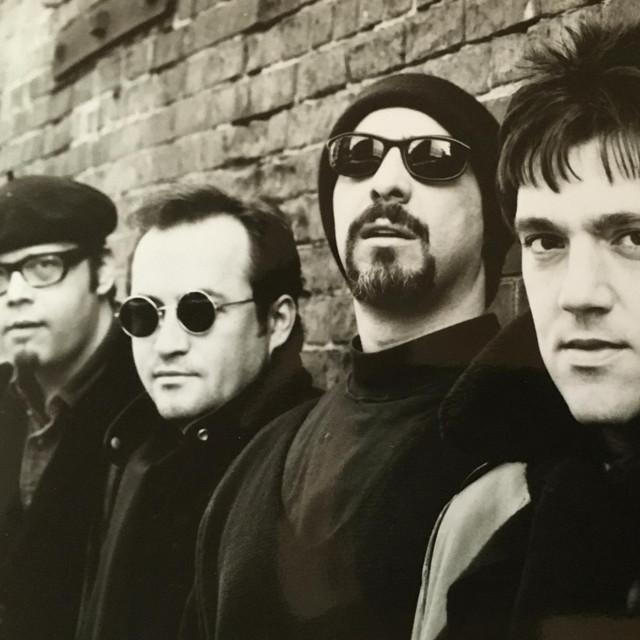
Matthew Sweet

Rock
Pop Rock
Power Pop
 Viberate Rank: 71437
 Viberate Rank: 71437
 Monthly ListenersFollowers
 Subscribers
 Followers
 Followers
 FansTop Spotify Songs
| Track | 7-Day Streams | |
|---|---|---|
1 | 29.34K | |
2 | 18.22K | |
3 | 7.55K | |
4 | 5.40K | |
5 | 5.38K |
Top YouTube VideosMonthly ListenersFeatured in Playlists| Playlist | Followers | |
|---|---|---|
1 |  90s Pop Rock Spotify | 1.53M |
2 |  90s ALT ROCK Filtr US | 687.27K |
3 |  90’s Bangers chris_topher_ | 368.60K |
4 | Classic Rock Greatest Hits Scott Pruden | 341.38K |
5 | 90's Grunge/Rock prevypicklebear | 328.23K |
Audience| City | Monthly Listeners | |
|---|---|---|
1 | | 4.65K |
2 | | 3.16K |
3 | | 2.61K |
4 |  | 2.33K |
5 | | 2.15K |
See full performance history, audience data, playlist activity, rankings, comparisons, and more in Viberate music analytics. Start with a free trial, then continue with a paid plan.
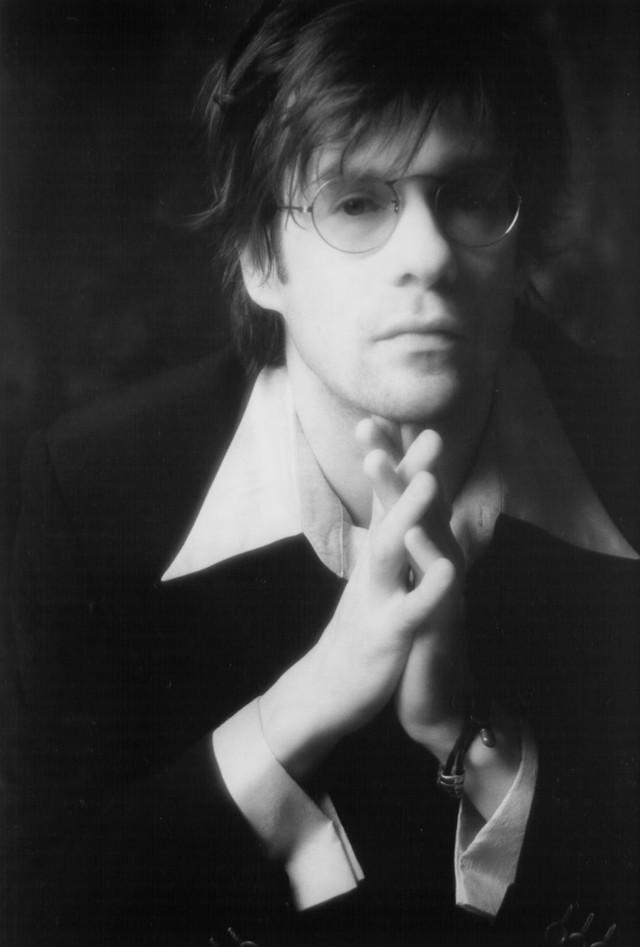
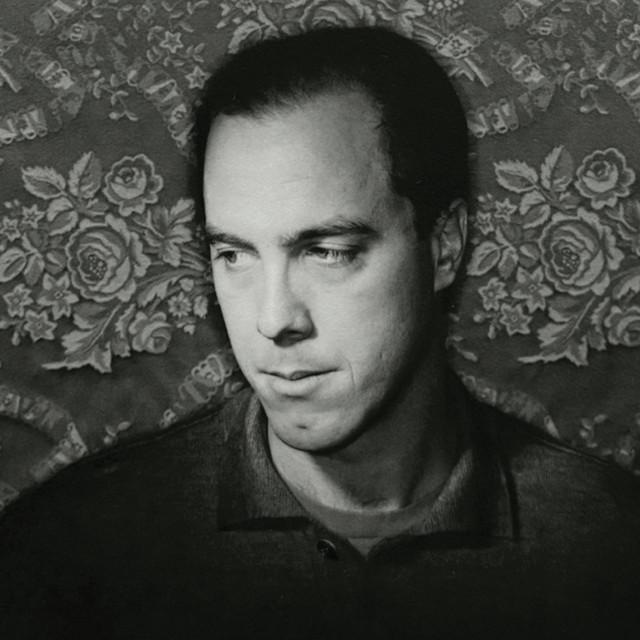
Matthew Sweet’s Spotify BioAn artist who skillfully navigates the line between the power pop underground and the mainstream end of alternative rock, Matthew Sweet is a master of potent pop tunes and catchy melodic hooks, but he also knows how to make his songs rock, and his inspired use of incisive guitar work gives his songs an edge that's fresh and satisfying. Sweet spent most of the '80s in the background, performing with the groups Oh-OK and Buzz of Delight, playing in Lloyd Cole's backing band, and releasing a pair of overlooked solo albums (1986's Inside and 1989's Earth) as he honed his skills. With 1991's Girlfriend, Sweet enjoyed a commercial and critical breakthrough, with its near-perfect fusion of pop formalism and full-bodied rock & roll. Sweet enjoyed similar success with 1993's Altered Beast and 1995's 100% Fun, while in the 2000s he devoted much of his time to more idiosyncratic projects (2003's Kimi Ga Suki * Raifu) and collaborations (a series of duo albums with Susanna Hoffs and an LP recorded… with Shawn Mullins and Pete Droge as the Thorns). Despite these detours he contnued to make popwer pop gems like 2027's sprawling 17-song effort Tomorrow Forever and 2021's more concise Catspaw.
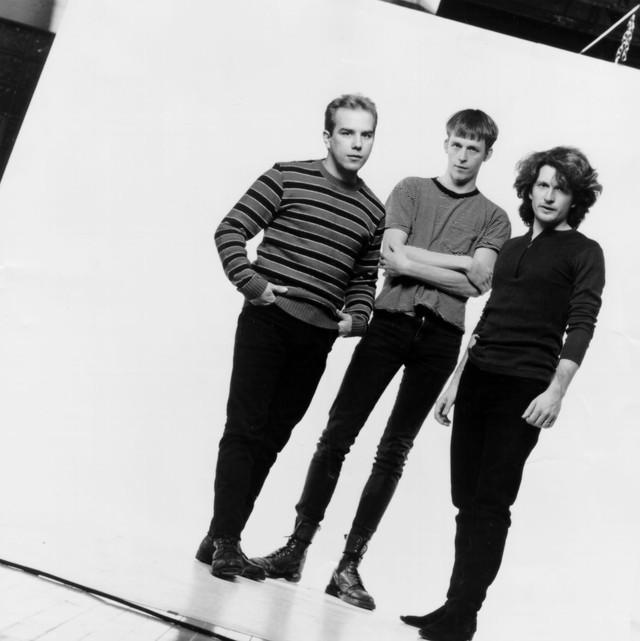
Born in 1964, Sweet began playing music while he was a high school student in his native Lincoln, Nebraska. Upon his graduation in 1983, he decided to attend the University of Georgia in Athens because of its burgeoning underground music scene. Once he arrived at college, he met Lynda Stipe and joined her band, Oh-OK, in time to play on their second EP, the Mitch Easter-produced Furthermore What, which was released late in 1983. The following year, he and Oh-OK drummer David Pierce formed Buzz of Delight, releasing Sound Castles later that year. Over the course of 1984 and 1985, Sweet cut a demo tape with producer Don Dixon. Columbia Records heard the Buzz of Delight record and the demo and offered him a contract in 1985.
Upon signing with Columbia, he relocated to New York and recorded his debut, Inside. Released in 1986, Inside featured Sweet playing nearly all of the instruments on the record, supported by a drum machine; the album also featured several cameos, including Chris Stamey, Fred Maher, Anton Fier, and Aimee Mann. That same year, Sweet guested on Blast of Silence, an album by Fier's band the Golden Palominos. Despite positive reviews, Inside was ignored upon its release and Columbia dropped Sweet. In 1988, he signed with A&M Records and recorded his second album, Earth. Produced by Fred Maher and released in 1989, Earth again featured Sweet as a one-man band, augmented by guitarists Robert Quine (Lou Reed, Richard Hell) and Richard Lloyd (Television). The album failed to make any impact, and A&M dropped Sweet as he was working on his third album in 1990.
Over the next year, he earned money by touring as Lloyd Cole's guitarist while shopping a demo of his album to various labels, with little success. Eventually, the president of Zoo signed him upon overhearing the demo in an office. Girlfriend, an album largely inspired by the dissolution of his marriage, was the first album Sweet recorded with a live band, and its sound -- which was powered by Lloyd and Quine -- was considerably more immediate and raw than its predecessors. Upon its late 1991 release, Girlfriend earned strong reviews and "Divine Intervention" became a moderate hit, but it wasn't until the spring of 1992, when the title track took off, that the album became a genuine hit. By the end of the year, Girlfriend had gone gold and Sweet had moved to Los Angeles.
Sweet returned in 1993 with Altered Beast, recorded with producer Richard Dashut, who was best known for his work with Fleetwood Mac and Lindsey Buckingham. Again featuring Quine and Lloyd, Altered Beast was messier than Girlfriend, yet it became a sizable college radio hit on the strength of the modern rock and MTV hits "The Ugly Truth" and "Time Capsule." A stopgap EP, Son of Altered Beast. arrived in the spring of 1994.
For his fifth album, Sweet recorded with a more commercial producer -- Brendan O'Brien -- who had previously worked with Pearl Jam and Stone Temple Pilots. Released in the spring of 1995, 100% Fun received Sweet's strongest reviews to date and went gold on the strength of "Sick of Myself," his first single to scrape the bottom reaches of the pop charts. Following 100% Fun, Sweet parted ways with Lloyd and Quine, but retained O'Brien for 1997's Blue Sky on Mars. More new wave-inspired, the album garnered the most attention for the lead single "Where You Get Love." In Reverse followed in 1999, and the best-of collection Time Capsule arrived a year later. Hip-O released To Understand: The Early Recordings of Matthew Sweet in 2002, a collection that Sweet followed up with the Japanese-only release Kimi Ga Suki * Raifu.
Sweet returned to the domestic studio in 2004 for Living Things, followed by a collection of choice covers with ex-Bangle Susanna Hoffs called Under the Covers, Vol. 1 in 2006. In 2008, Sweet released Sunshine Lies, an all-new collection of studio material that was warmly received by both fans and critics alike, followed by Under the Covers, Vol. 2 (again with Hoffs) in 2009. Two years later, Sweet hit the road in celebration of Girlfriend's 20th anniversary, playing the album in its entirety each night. That same fall, he also released a new record, Modern Art. Sweet once again teamed with Hoffs in 2013 for their third collection of covers. Released in November 2013, Under the Covers, Vol. 3 focused on songs from the '80s.
In June 2017, Sweet returned with Tomorrow Forever, his first collection of original songs in six years. May 2018 brought the release of Tomorrow's Daughter, a twelve-song set featuring a number of tracks that were recorded for Tomorrow Forever but didn't make the final cut. Sweet's 15th studio album, Catspaw, arrived in January 2021 and found him playing all the instruments except for drums, which were supplied by longtime collaborator and Velvet Crush-member Ric Menck. He continued to tour over the next few years, heading out in 2024 with the band Hanson. After a show in Toronto on October 12, Sweet suffered a debilitating stroke and was flown home to Omaha to begin recovery. ~ Stephen Thomas Erlewine, Rovi
Viberate is a music analytics platform built for A&Rs, artist managers, labels, booking agents, marketers, and artists.
It helps music professionals track artist growth, analyze audience data, monitor playlist activity, compare artists, follow song performance, and identify opportunities across the music market.
Public artist pages provide a free preview of selected artist data. Paid plans provide access to deeper analytics, historical data, charts, comparisons, playlist tools, exports, alerts, reports, and additional professional features.
Yes. Public Viberate artist pages provide selected artist analytics and music data for free.
Viberate also offers a 7-day free trial of the full platform. A credit card is required to start the trial. The trial includes access to the complete product so users can test deeper artist analytics, historical views, playlist insights, comparisons, charts, exports, alerts, and reporting features before choosing a paid plan.
Viberate provides artist analytics across streaming, playlists, social media, video, radio airplay, songs, and audience markets.
Users can analyze Spotify performance, Spotify and Apple Music playlists, YouTube activity, TikTok and Instagram growth, radio spins, song performance, audience locations, demographics, rankings, and overall artist momentum.
Artist profiles also connect to music charts, similar artists, and comparison tools, helping users benchmark performance and evaluate artists in context.
Viberate updates key artist and track data daily.
For followed artists and tracks, selected data is refreshed multiple times per day. This helps teams monitor playlist changes, streaming movement, audience growth, releases, and campaign performance with more current data.
Update frequency can vary depending on the metric and data source.
Yes. Viberate lets users compare up to five artists side by side across streaming, social media, audience, and engagement metrics.
Users can compare fanbase growth, audience demographics, locations, Spotify performance, social metrics, and other artist data over selected time periods.
Artist comparison can be used for A&R scouting, benchmarking, booking decisions, campaign planning, and evaluating artists with similar audiences or market positions.