Golden Smog

Country
Americana/Alt Country
 Viberate Rank: 128551
 Viberate Rank: 128551
 Monthly ListenersFollowers
 Subscribers
 Followers
 Followers
 FansTop Spotify Songs
| Track | 7-Day Streams | |
|---|---|---|
1 | 11.53K | |
2 | 8.29K | |
3 | 7.40K | |
4 | 4.58K | |
5 | 4.51K |
Top YouTube VideosMonthly ListenersFeatured in Playlists| Playlist | Followers | |
|---|---|---|
1 |  Alt Country Classics Spotify | 117.59K |
2 | 1990s Alternative Rock Carl McCarthy | 18.64K |
3 | Eargasm Jack | 17.18K |
4 | giant 90s alt/indie/etc playlist PART 3: 1997-1999 Aroon Karvna | 12.66K |
5 |  The best of Wilco Berekvam | 10.72K |
Audience| City | Monthly Listeners | |
|---|---|---|
1 | | 1.66K |
2 | | 1.25K |
3 | | 1.09K |
4 | | 860 |
5 | | 847 |
See full performance history, audience data, playlist activity, rankings, comparisons, and more in Viberate music analytics. Start with a free trial, then continue with a paid plan.
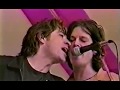
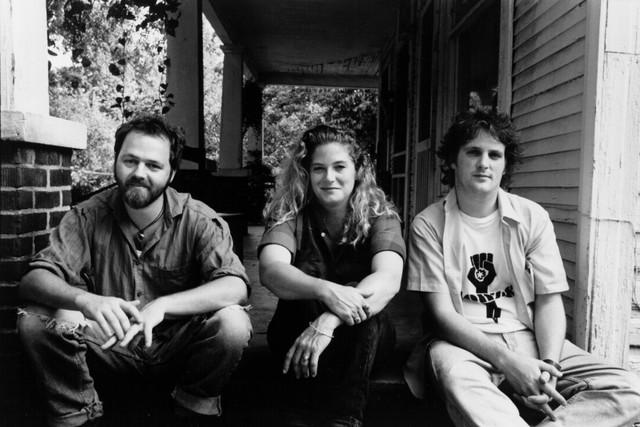
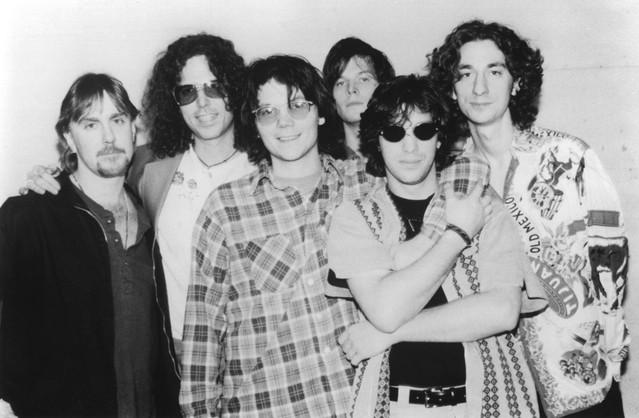
Golden Smog’s Spotify BioA boozy, side-project covers band that gradually evolved into a kind of roots rock supergroup, Golden Smog was a loosely affiliated unit comprised, at various times, of members of Soul Asylum, the Replacements, Wilco, the Jayhawks, Run Westy Run, and the Honeydogs. The group first came together in the Minneapolis area in the late '80s as a country-rock reaction to the punk and hardcore sounds that dominated the Twin Cities' musical scene at the time; eventually Golden Smog became something of a fixture at local clubs, where they played a handful of shows annually. From the onset, the lineup was mercurial, although Run Westy Run vocalist Kraig Johnson as well as guitarists Dan Murphy (Soul Asylum) and Gary Louris (the Jayhawks) were relative constants. Smog shows were usually thematically based, in keeping with the tongue-in-cheek nature of the project; one performance was devoted exclusively to Eagles covers, while another paid homage to the Rolling Stones and was billed "Her Satanic… Majesty's Paycheck."
Somewhat unexpectedly, a five-cut covers EP, On Golden Smog, appeared in 1992. While the closing track, a rendition of Thin Lizzy's "Cowboy Song" sung by Soul Asylum roadie Bill Sullivan, followed in the project's original devil-may-care spirit, the remainder of the record was considerably more focused, keeping in line with the primary musical work of the bandmembers -- who, this time out, were essentially Johnson, Murphy, Louris, Jayhawks bassist Marc Perlman, and ex-Replacements drummer Chris Mars, along with Soul Asylum vocalist Dave Pirner (on a cover of Bad Company's "Shooting Star"). Even more unexpectedly, the next Golden Smog effort -- 1996's full-length Down by the Old Mainstream -- was made up largely of original material composed strictly for the project. With a lineup that included Johnson, Murphy, Louris, Perlman, Wilco frontman Jeff Tweedy, and Honeydogs drummer Noah Levy (all of whom recorded under pseudonyms as a result of contractual obligations), the record bore few reminders of Smog's beer-soaked origins, instead revealing a more mature and thoughtful band breaking free of the restraints of their day jobs and having some serious fun in the process. Weird Tales followed in 1998, but it wasn't until 2006 that the group released Another Fine Day, which, unsurprisingly, due to the amount of time that had passed since the last album, sounded little like earlier Golden Smog records. Blood on the Slacks was released the following year. ~ Jason Ankeny, Rovi
Viberate is a music analytics platform built for A&Rs, artist managers, labels, booking agents, marketers, and artists.
It helps music professionals track artist growth, analyze audience data, monitor playlist activity, compare artists, follow song performance, and identify opportunities across the music market.
Public artist pages provide a free preview of selected artist data. Paid plans provide access to deeper analytics, historical data, charts, comparisons, playlist tools, exports, alerts, reports, and additional professional features.
Yes. Public Viberate artist pages provide selected artist analytics and music data for free.
Viberate also offers a 7-day free trial of the full platform. A credit card is required to start the trial. The trial includes access to the complete product so users can test deeper artist analytics, historical views, playlist insights, comparisons, charts, exports, alerts, and reporting features before choosing a paid plan.
Viberate provides artist analytics across streaming, playlists, social media, video, radio airplay, songs, and audience markets.
Users can analyze Spotify performance, Spotify and Apple Music playlists, YouTube activity, TikTok and Instagram growth, radio spins, song performance, audience locations, demographics, rankings, and overall artist momentum.
Artist profiles also connect to music charts, similar artists, and comparison tools, helping users benchmark performance and evaluate artists in context.
Viberate updates key artist and track data daily.
For followed artists and tracks, selected data is refreshed multiple times per day. This helps teams monitor playlist changes, streaming movement, audience growth, releases, and campaign performance with more current data.
Update frequency can vary depending on the metric and data source.
Yes. Viberate lets users compare up to five artists side by side across streaming, social media, audience, and engagement metrics.
Users can compare fanbase growth, audience demographics, locations, Spotify performance, social metrics, and other artist data over selected time periods.
Artist comparison can be used for A&R scouting, benchmarking, booking decisions, campaign planning, and evaluating artists with similar audiences or market positions.