Ambrosia

Rock
Pop Rock
Progressive Rock
 Viberate Rank: 23791
 Viberate Rank: 23791
 Monthly ListenersFollowers
 Subscribers
 Followers
 Followers
 FansTop Spotify Songs
| Track | 7-Day Streams | |
|---|---|---|
1 | 527.08K | |
2 | 492.69K | |
3 | 242.13K | |
4 | 100.82K | |
5 | 98.99K |
Top YouTube VideosMonthly ListenersFeatured in Playlists| Playlist | Followers | |
|---|---|---|
1 |  Soft Rock Spotify | 3.55M |
2 |  Yacht Rock Spotify | 1.85M |
3 |  Soft 80s Spotify | 1.76M |
4 |  70s Love Songs Spotify | 1.45M |
5 |  Soft 70s Spotify | 1.19M |
Audience| City | Monthly Listeners | |
|---|---|---|
1 | | 34.18K |
2 | | 27.52K |
3 | | 26.46K |
4 |  | 24.94K |
5 | | 23.46K |
See full performance history, audience data, playlist activity, rankings, comparisons, and more in Viberate music analytics. Start with a free trial, then continue with a paid plan.
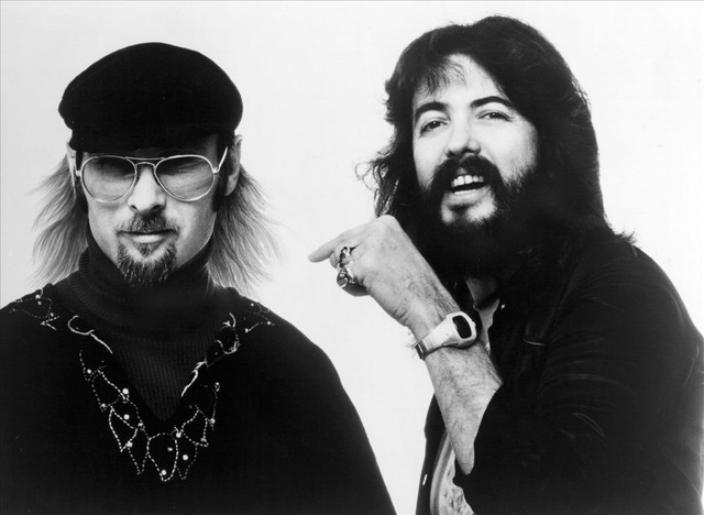
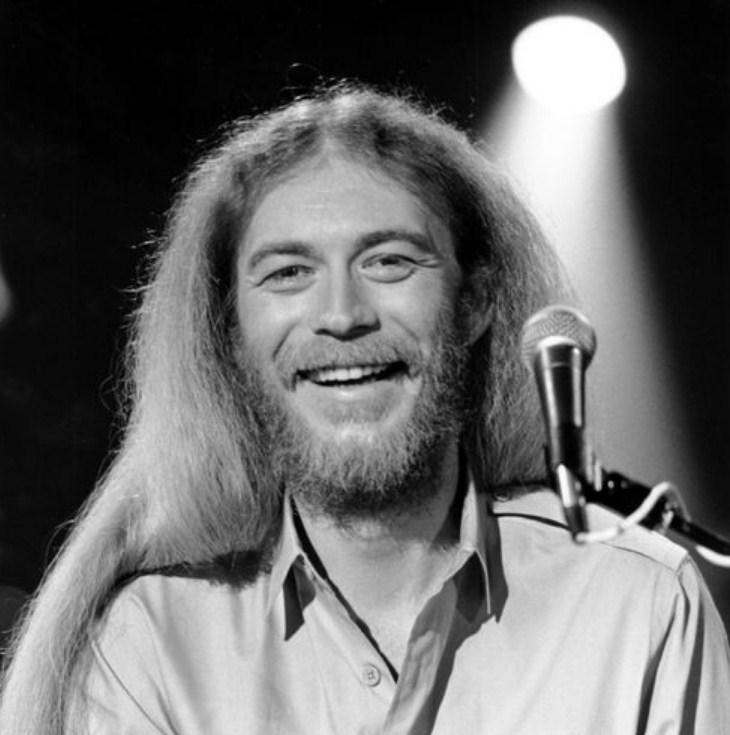
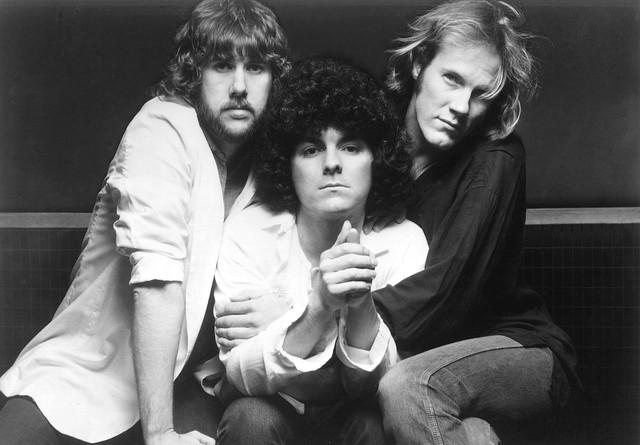
Ambrosia’s Spotify BioLos Angeles quartet Ambrosia, whose founding members included guitarist/vocalist David Pack, bassist/vocalist Joe Puerta, keyboardist Christopher North, and drummer Burleigh Drummond, fused symphonic art rock with a slickly produced pop sound. After forming in 1970, the group was discovered in 1971 by Los Angeles Philharmonic conductor Zubin Mehta, who featured Ambrosia as part of a so-called All-American Dream Concert. However, it took them four more years to get a record contract; Ambrosia was released in 1975 and spawned the chart singles "Holdin' on to Yesterday" and "Nice, Nice, Very Nice." (The latter was based on Kurt Vonnegut's Cat's Cradle.) Ambrosia scored another hit in 1977 with a cover of the Beatles' "Magical Mystery Tour" from the film All This and World War II, which they also appeared in.
North left the group just before their biggest pop breakthrough in 1978 with the number three hit "How Much I Feel." Ambrosia followed this success in 1980 with another number three… hit, "Biggest Part of Me," and the number 13 follow-up "You're the Only Woman." Their next album failed, ending their run of chart success, and the group broke up; individual members are still active as session musicians and vocalists, as well as producers.
David Pack's 1985 solo album Anywhere You Go actually featured both Puerta and Drummond (alongside Kerry Livgren, Michael McDonald, Stanley Clarke, and Toto's Michael Porcaro), and the band reunited several years later. Several tours followed during the '90s, along with new recordings featured on the band's 1997 Anthology release. Pack left after 2001 for additional solo projects, and the band released the concert album Live a year later without him. ~ Steve Huey, Rovi
Viberate is a music analytics platform built for A&Rs, artist managers, labels, booking agents, marketers, and artists.
It helps music professionals track artist growth, analyze audience data, monitor playlist activity, compare artists, follow song performance, and identify opportunities across the music market.
Public artist pages provide a free preview of selected artist data. Paid plans provide access to deeper analytics, historical data, charts, comparisons, playlist tools, exports, alerts, reports, and additional professional features.
Yes. Public Viberate artist pages provide selected artist analytics and music data for free.
Viberate also offers a 7-day free trial of the full platform. A credit card is required to start the trial. The trial includes access to the complete product so users can test deeper artist analytics, historical views, playlist insights, comparisons, charts, exports, alerts, and reporting features before choosing a paid plan.
Viberate provides artist analytics across streaming, playlists, social media, video, radio airplay, songs, and audience markets.
Users can analyze Spotify performance, Spotify and Apple Music playlists, YouTube activity, TikTok and Instagram growth, radio spins, song performance, audience locations, demographics, rankings, and overall artist momentum.
Artist profiles also connect to music charts, similar artists, and comparison tools, helping users benchmark performance and evaluate artists in context.
Viberate updates key artist and track data daily.
For followed artists and tracks, selected data is refreshed multiple times per day. This helps teams monitor playlist changes, streaming movement, audience growth, releases, and campaign performance with more current data.
Update frequency can vary depending on the metric and data source.
Yes. Viberate lets users compare up to five artists side by side across streaming, social media, audience, and engagement metrics.
Users can compare fanbase growth, audience demographics, locations, Spotify performance, social metrics, and other artist data over selected time periods.
Artist comparison can be used for A&R scouting, benchmarking, booking decisions, campaign planning, and evaluating artists with similar audiences or market positions.