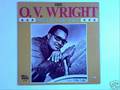
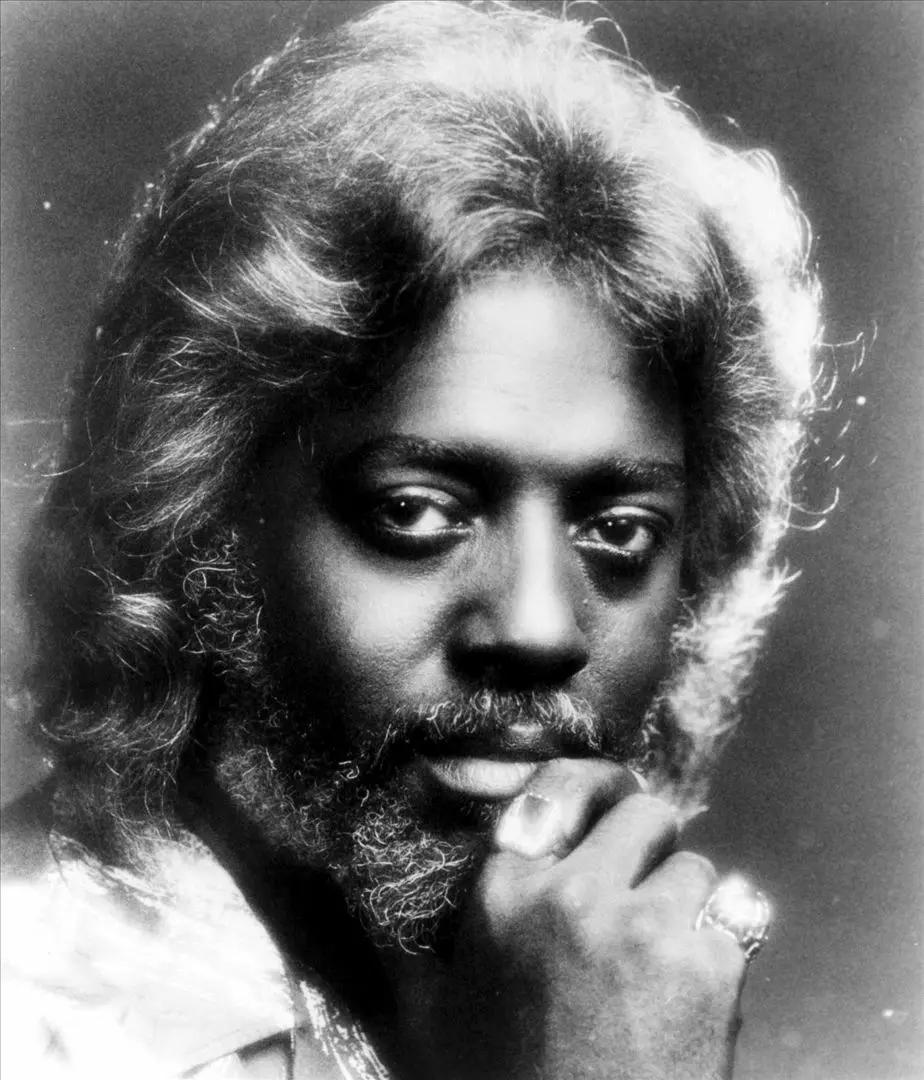
O.V. Wright

R&B
Funk
Soul
 Viberate Rank: 87829
 Viberate Rank: 87829
 Monthly ListenersFollowers
 Subscribers
 Followers
 Followers
 FansTop Spotify Songs
| Track | 7-Day Streams | |
|---|---|---|
1 | 86.09K | |
2 | 15.07K | |
3 | 5.65K | |
4 | 5.44K | |
5 | 3.03K |
Top YouTube VideosMonthly ListenersFeatured in Playlists| Playlist | Followers | |
|---|---|---|
1 |  Greatest Blues Jared Kerkhof | 56.16K |
2 | 60s Soul Classics teo227 | 44.94K |
3 | Old Soul Music Ron DMC | 36.73K |
4 | 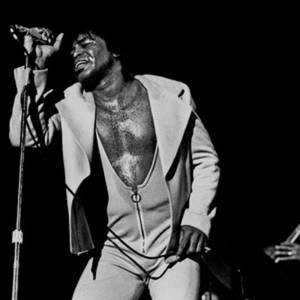 Motown & Soul Music 2026 Music For The Soul | 27.82K |
5 | Guardians Of The Galaxy Vol. 1&2 spencerankner | 25.70K |
Audience| City | Monthly Listeners | |
|---|---|---|
1 |  | 5.96K |
2 |  | 3.61K |
3 | | 3.56K |
4 |  | 3.54K |
5 | | 3.38K |
See full performance history, audience data, playlist activity, rankings, comparisons, and more in Viberate music analytics. Start with a free trial, then continue with a paid plan.
O.V. Wright’s Spotify BioA truly incendiary deep soul performer. O. V. Wright's melismatic vocals and Willie Mitchell's vaunted Hi Rhythm Section combined to make classic Memphis soul during the early '70s. Overton Vertis Wright learned his trade on the gospel circuit with the Sunset Travelers before going secular in 1964 with the passionate ballad "That's How Strong My Love Is" for Goldwax in Memphis. Otis Redding liked the song so much that he covered it, killing any chance of Wright's version hitting. Since Wright was already under contract to Houston-based Peacock as a gospel act, owner Don Robey demanded his return, and from then on, Wright appeared on Robey's Backbeat subsidiary. Wright's sanctified sound oozes sweet soul on the spine-chilling "You're Gonna Make Me Cry," a 1965 smash, but it took Memphis producer Willie Mitchell to wring the best consistently from Wright. Utilizing Mitchell's surging house rhythm section, Wright's early-'70s Backbeat singles "Ace of Spades," "A Nickel and a Nail," and "I… Can't Take It" rank among the very best Southern soul of their era. No disco bandwagon for O. V. Wright -- he kept right on pouring out his emotions through the '70s, convincing his faithful that "I'd Rather Be (Blind, Crippled & Crazy)" and that he was "Into Something (Can't Shake Loose)." Unfortunately, he apparently was -- drugs have often been cited as causing Wright's downfall; the soul great died at only 41 years of age in 1980. ~ Bill Dahl, Rovi
Viberate is a music analytics platform built for A&Rs, artist managers, labels, booking agents, marketers, and artists.
It helps music professionals track artist growth, analyze audience data, monitor playlist activity, compare artists, follow song performance, and identify opportunities across the music market.
Public artist pages provide a free preview of selected artist data. Paid plans provide access to deeper analytics, historical data, charts, comparisons, playlist tools, exports, alerts, reports, and additional professional features.
Yes. Public Viberate artist pages provide selected artist analytics and music data for free.
Viberate also offers a 7-day free trial of the full platform. A credit card is required to start the trial. The trial includes access to the complete product so users can test deeper artist analytics, historical views, playlist insights, comparisons, charts, exports, alerts, and reporting features before choosing a paid plan.
Viberate provides artist analytics across streaming, playlists, social media, video, radio airplay, songs, and audience markets.
Users can analyze Spotify performance, Spotify and Apple Music playlists, YouTube activity, TikTok and Instagram growth, radio spins, song performance, audience locations, demographics, rankings, and overall artist momentum.
Artist profiles also connect to music charts, similar artists, and comparison tools, helping users benchmark performance and evaluate artists in context.
Viberate updates key artist and track data daily.
For followed artists and tracks, selected data is refreshed multiple times per day. This helps teams monitor playlist changes, streaming movement, audience growth, releases, and campaign performance with more current data.
Update frequency can vary depending on the metric and data source.
Yes. Viberate lets users compare up to five artists side by side across streaming, social media, audience, and engagement metrics.
Users can compare fanbase growth, audience demographics, locations, Spotify performance, social metrics, and other artist data over selected time periods.
Artist comparison can be used for A&R scouting, benchmarking, booking decisions, campaign planning, and evaluating artists with similar audiences or market positions.