Saun & Starr

R&B
Soul
Retro Soul
 Viberate Rank: 103561
 Viberate Rank: 103561
 Monthly ListenersFollowers
 Subscribers
 Followers
 Followers
 FansTop Spotify Songs
| Track | 7-Day Streams | |
|---|---|---|
1 | 55.71K | |
2 | 23.32K | |
3 | 10.14K | |
4 | 7.28K | |
5 | 6.86K |
Top YouTube VideosMonthly ListenersFeatured in Playlists| Playlist | Followers | |
|---|---|---|
1 |  Blue Ballads Spotify | 592.00K |
2 |  sautéing and slow dancing Fuegostine | 252.75K |
3 |  SMASH Universe | 85.34K |
4 |  I Love My 10s Funk Spotify | 77.20K |
5 | Jazz · Blues · Soul · Funk · Swing Carles Sirvent | 59.34K |
Audience| City | Monthly Listeners | |
|---|---|---|
1 |  | 4.17K |
2 |  | 3.32K |
3 |  | 2.85K |
4 |  | 2.84K |
5 |  | 2.80K |
See full performance history, audience data, playlist activity, rankings, comparisons, and more in Viberate music analytics. Start with a free trial, then continue with a paid plan.
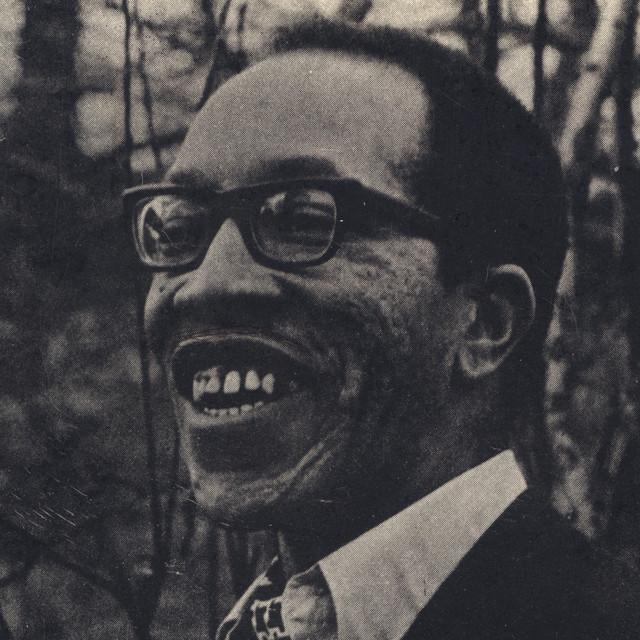
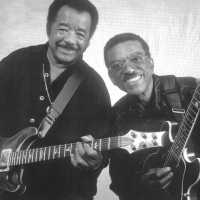
Saun & Starr’s Spotify BioStarr Duncan Lowe and Saundra Williams released their first retro-soul Saun & Starr recordings during the early 2010s, but the singers' accomplished careers date back much earlier. The Bronx natives met as young adults at an open mike night in August 1986, became friends, and subsequently sang background for Nick Jones, a local musician who frequently performed at the Apollo Theater in Harlem. In 1990, Saun competed in the same venue for Showtime at the Apollo and won with her version of Vesta's "Congratulations." The following year, she and Starr joined a Staten Island wedding band fronted by Sharon Jones. The three vocalists were eventually known as the Good 'N Plenty Girls, alternately Triple S Threat.
Throughout the '90s, Saun and Starr performed with numerous acts and were also featured on a number of house tracks. Saun's own "I Want It, I Need It (Real Love)" topped Billboard's dance chart in 1994. A year later, she was featured on "Bring Back My Happiness," a single off Moby's… Everything Is Wrong. Bless the Day, a solo album, was released in 1999. Starr's involvements included a 1995 solo single, "Lost in Music," as well as collaborations with the revered gospel-house group Jasper Street Co.
At some point, Saun and Starr lost contact with Jones, but in the late 2000s, Jones sought the singers for a performance with her leading retro-soul band, Sharon Jones & the Dap-Kings. The duo enhanced the band so effectively that they became an integral component and were dubbed the Dapettes. As Saun & Starr, the two became Daptone recording artists in their own right and debuted in 2013 with a 7" single featuring "Hot Shot" and "Gonna Make Time," two songs produced by Dap-Tones bandleader Bosco Mann. Both songs were featured on the 2015 album Look Closer. ~ Andy Kellman, Rovi
Viberate is a music analytics platform built for A&Rs, artist managers, labels, booking agents, marketers, and artists.
It helps music professionals track artist growth, analyze audience data, monitor playlist activity, compare artists, follow song performance, and identify opportunities across the music market.
Public artist pages provide a free preview of selected artist data. Paid plans provide access to deeper analytics, historical data, charts, comparisons, playlist tools, exports, alerts, reports, and additional professional features.
Yes. Public Viberate artist pages provide selected artist analytics and music data for free.
Viberate also offers a 7-day free trial of the full platform. A credit card is required to start the trial. The trial includes access to the complete product so users can test deeper artist analytics, historical views, playlist insights, comparisons, charts, exports, alerts, and reporting features before choosing a paid plan.
Viberate provides artist analytics across streaming, playlists, social media, video, radio airplay, songs, and audience markets.
Users can analyze Spotify performance, Spotify and Apple Music playlists, YouTube activity, TikTok and Instagram growth, radio spins, song performance, audience locations, demographics, rankings, and overall artist momentum.
Artist profiles also connect to music charts, similar artists, and comparison tools, helping users benchmark performance and evaluate artists in context.
Viberate updates key artist and track data daily.
For followed artists and tracks, selected data is refreshed multiple times per day. This helps teams monitor playlist changes, streaming movement, audience growth, releases, and campaign performance with more current data.
Update frequency can vary depending on the metric and data source.
Yes. Viberate lets users compare up to five artists side by side across streaming, social media, audience, and engagement metrics.
Users can compare fanbase growth, audience demographics, locations, Spotify performance, social metrics, and other artist data over selected time periods.
Artist comparison can be used for A&R scouting, benchmarking, booking decisions, campaign planning, and evaluating artists with similar audiences or market positions.