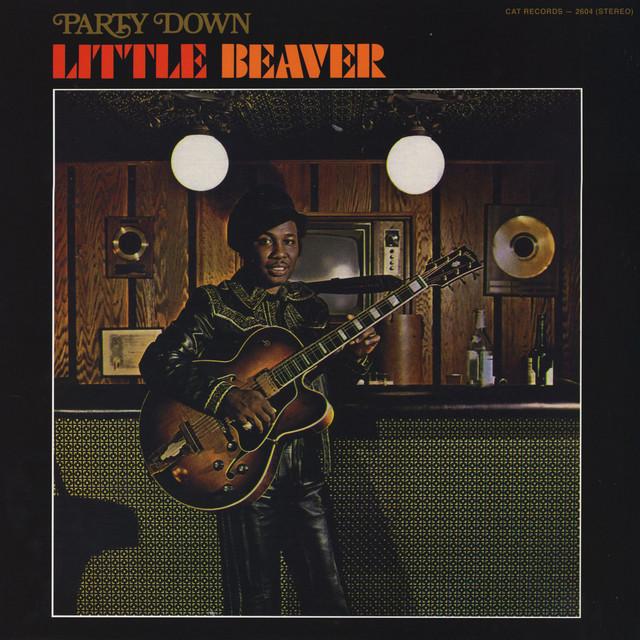
Little Beaver

R&B
Soul
 Viberate Rank: 114813
 Viberate Rank: 114813
 Monthly ListenersFollowers
 Subscribers
 Followers
 Followers
 FansTop Spotify Songs
| Track | 7-Day Streams | |
|---|---|---|
1 | 30.93K | |
2 | 23.50K | |
3 | 19.20K | |
4 | 18.35K | |
5 | 15.37K |
Top YouTube VideosMonthly ListenersFeatured in Playlists| Playlist | Followers | |
|---|---|---|
1 |  real good shit Tom Misch | 165.62K |
2 |  70s R&B/Soul - The Golden Era Raul Gabriel - Music | 159.65K |
3 |  I Love My 70s Funk Spotify | 103.56K |
4 |  60s soul & motor oil Jeff Shelby | 69.57K |
5 |  60s soul down empty roads Jeff Shelby | 55.74K |
Audience| City | Monthly Listeners | |
|---|---|---|
1 |  | 7.81K |
2 | | 5.24K |
3 | | 4.08K |
4 |  | 4.04K |
5 | | 4.01K |
See full performance history, audience data, playlist activity, rankings, comparisons, and more in Viberate music analytics. Start with a free trial, then continue with a paid plan.
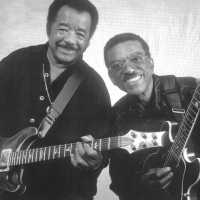
Little Beaver’s Spotify BioBorn William Hale on August 15, 1945, in Forrest City, AR, Little Beaver moved to Florida when he was a teenager. After recording for other labels, he recorded sides for the Cat label, an imprint of Henry Stone's TK Records of Hialeah, FL. His first charting singles were "Joey" and "Wish I Had a Girl Like You" b/w "Six Foot Hole." The next single, the hit "Party Down, Part 1," was later sampled by rap and hip-hop artists, like so much of the TK catalog. The mid-tempo groover was his biggest record. The Party Down LP featured vocals by Betty Wright and keyboards by Benny Lattimore ("Let's Straighten It Out") and Timmy Thomas ("Why Can't We Live Together"). Post-"Party Down" singles were "Let the Good Times Roll" b/w "Let's Stick Together," both on the Party Down LP; "Little Girl Blue"; "I Can Dig It Baby" (co-written by Hale, Betty Wright, and Willie Clarke) b/w "Get Into the Party Life"; "Give a Helping Hand" b/w "Mama Forgo"; "Funkadelic Sound"; and "We Three." Other Little Beaver… albums are Little Beaver, Black Rhapsody, When Was the Last Time, and Beaver Fever, which was credited to Willie "Beaver" Hale (all were released on Cat). ~ Ed Hogan, Rovi
Viberate is a music analytics platform built for A&Rs, artist managers, labels, booking agents, marketers, and artists.
It helps music professionals track artist growth, analyze audience data, monitor playlist activity, compare artists, follow song performance, and identify opportunities across the music market.
Public artist pages provide a free preview of selected artist data. Paid plans provide access to deeper analytics, historical data, charts, comparisons, playlist tools, exports, alerts, reports, and additional professional features.
Yes. Public Viberate artist pages provide selected artist analytics and music data for free.
Viberate also offers a 7-day free trial of the full platform. A credit card is required to start the trial. The trial includes access to the complete product so users can test deeper artist analytics, historical views, playlist insights, comparisons, charts, exports, alerts, and reporting features before choosing a paid plan.
Viberate provides artist analytics across streaming, playlists, social media, video, radio airplay, songs, and audience markets.
Users can analyze Spotify performance, Spotify and Apple Music playlists, YouTube activity, TikTok and Instagram growth, radio spins, song performance, audience locations, demographics, rankings, and overall artist momentum.
Artist profiles also connect to music charts, similar artists, and comparison tools, helping users benchmark performance and evaluate artists in context.
Viberate updates key artist and track data daily.
For followed artists and tracks, selected data is refreshed multiple times per day. This helps teams monitor playlist changes, streaming movement, audience growth, releases, and campaign performance with more current data.
Update frequency can vary depending on the metric and data source.
Yes. Viberate lets users compare up to five artists side by side across streaming, social media, audience, and engagement metrics.
Users can compare fanbase growth, audience demographics, locations, Spotify performance, social metrics, and other artist data over selected time periods.
Artist comparison can be used for A&R scouting, benchmarking, booking decisions, campaign planning, and evaluating artists with similar audiences or market positions.