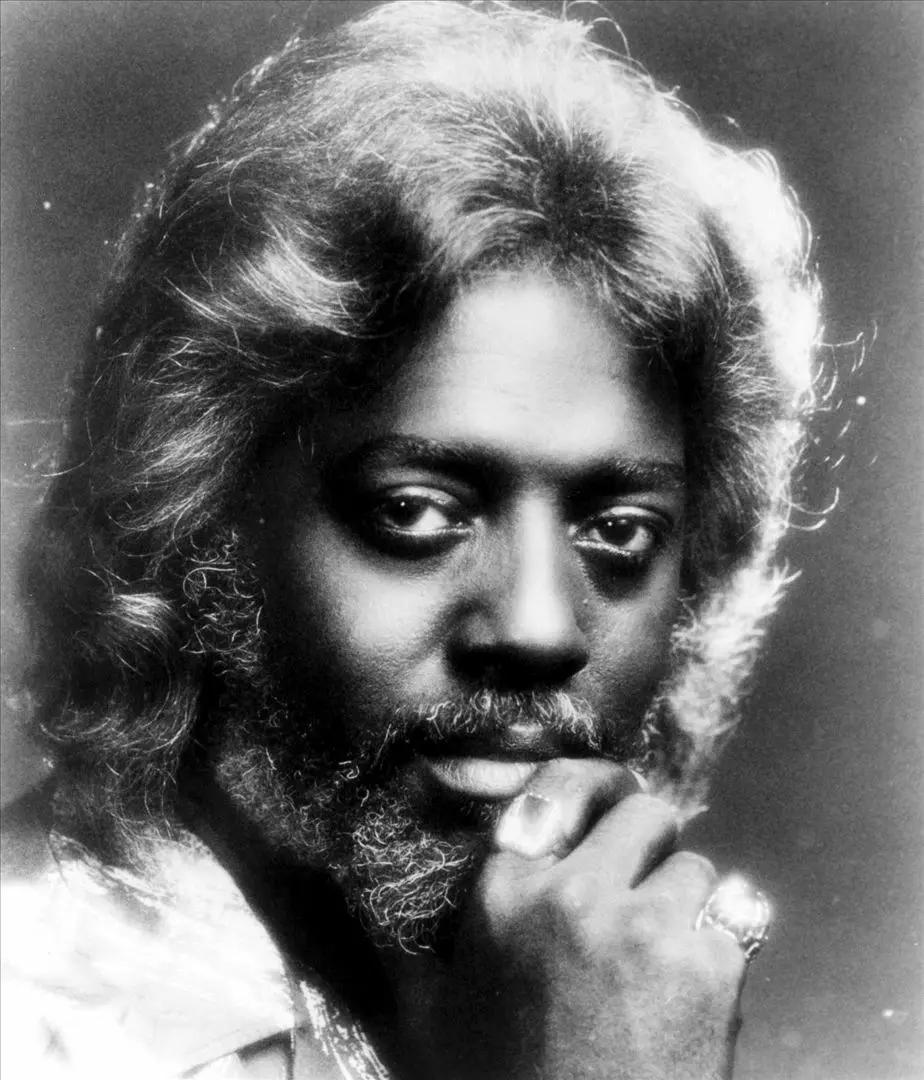
Latimore

R&B
Soul
Contemporary Blues
 Viberate Rank: 61542
 Viberate Rank: 61542
 Monthly ListenersFollowers
 Subscribers
 Followers
 Followers
 FansTop Spotify Songs
| Track | 7-Day Streams | |
|---|---|---|
1 | 116.58K | |
2 | 8.89K | |
3 | 8.74K | |
4 | 8.43K | |
5 | 7.83K |
Top YouTube Videos| Video | 7-Day Views | |
|---|---|---|
1 | 13.50K | |
2 | 2.36K | |
3 | 1.16K | |
4 | 407 | |
5 | 401 |
Monthly ListenersFeatured in Playlists| Playlist | Followers | |
|---|---|---|
1 |  70s R&B/Soul - The Golden Era Raul Gabriel - Music | 159.65K |
2 |  dancing in the kitchen Matthew Meyer | 136.45K |
3 |  SKINS SOUNDTRACK season 1, 2, 3, 4, 5, 6 and 7 (all seasons) Christel Aurora Hilmo | 65.42K |
4 |  Caribou - The Longest Mixtape: 1000+ Songs For You Caribou | 53.23K |
5 |  Funk Classics Brooklyn Funk Essentials | 47.83K |
Audience| City | Monthly Listeners | |
|---|---|---|
1 |  | 7.29K |
2 | | 5.91K |
3 |  | 4.89K |
4 |  | 4.83K |
5 |  | 4.60K |
See full performance history, audience data, playlist activity, rankings, comparisons, and more in Viberate music analytics. Start with a free trial, then continue with a paid plan.
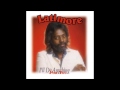
Latimore’s Spotify BioDeep-voiced Latimore's sultry mid-'70s output for Miami's Glades label was a steamy marriage of soul and blues. Initially billed as Benny Latimore, the Tennessean began recording for Miami mogul Henry Stone in 1965, and his late-'60s Dade singles are solid deep soul. Dropping his first name on Glades, Latimore finally found stardom in 1973 with a jazzy reading of T-Bone Walker's "Stormy Monday." He topped the soul lists in 1974 with the anguished "Let's Straighten It Out," a simmering soul/blues hybrid, and encored with the incendiary "Keep the Home Fires Burnin'" the next year. Most of Latimore's Glades sides were produced in Miami by Steve "Every Day I Have to Cry" Alaimo, and when he wasn't cutting his own hits, Latimore acted as a house pianist for parent TK Records. Latimore moved to Malaco during the '80s, his appeal undiminished. Malaco remained Latimore's home until 2000; You're Welcome to Ride is the last record he released for the label. In 2007, Latimore established the Lats…tone imprint, releasing the Back 'Atcha album that year. He continued to record for the label and perform regularly into the late 2010s. ~ Bill Dahl, Rovi
Viberate is a music analytics platform built for A&Rs, artist managers, labels, booking agents, marketers, and artists.
It helps music professionals track artist growth, analyze audience data, monitor playlist activity, compare artists, follow song performance, and identify opportunities across the music market.
Public artist pages provide a free preview of selected artist data. Paid plans provide access to deeper analytics, historical data, charts, comparisons, playlist tools, exports, alerts, reports, and additional professional features.
Yes. Public Viberate artist pages provide selected artist analytics and music data for free.
Viberate also offers a 7-day free trial of the full platform. A credit card is required to start the trial. The trial includes access to the complete product so users can test deeper artist analytics, historical views, playlist insights, comparisons, charts, exports, alerts, and reporting features before choosing a paid plan.
Viberate provides artist analytics across streaming, playlists, social media, video, radio airplay, songs, and audience markets.
Users can analyze Spotify performance, Spotify and Apple Music playlists, YouTube activity, TikTok and Instagram growth, radio spins, song performance, audience locations, demographics, rankings, and overall artist momentum.
Artist profiles also connect to music charts, similar artists, and comparison tools, helping users benchmark performance and evaluate artists in context.
Viberate updates key artist and track data daily.
For followed artists and tracks, selected data is refreshed multiple times per day. This helps teams monitor playlist changes, streaming movement, audience growth, releases, and campaign performance with more current data.
Update frequency can vary depending on the metric and data source.
Yes. Viberate lets users compare up to five artists side by side across streaming, social media, audience, and engagement metrics.
Users can compare fanbase growth, audience demographics, locations, Spotify performance, social metrics, and other artist data over selected time periods.
Artist comparison can be used for A&R scouting, benchmarking, booking decisions, campaign planning, and evaluating artists with similar audiences or market positions.