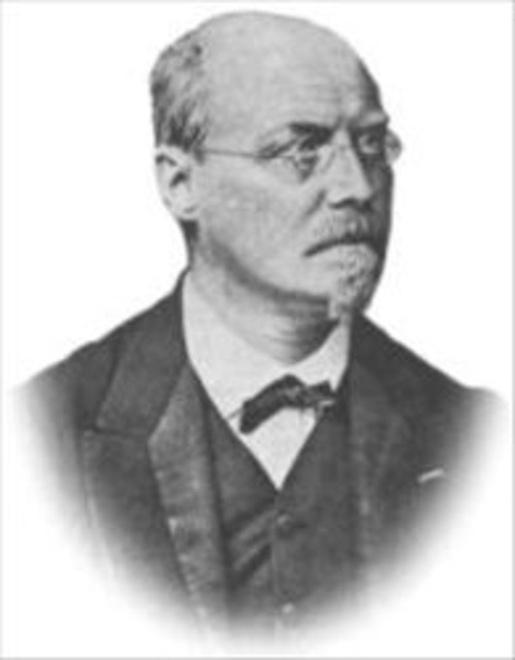
Oliver Triendl

Classical
Chamber Music
Orchestral
 Viberate Rank: 420786
 Viberate Rank: 420786
 Monthly ListenersFollowers
 Subscribers
 Followers
 Followers
 FansTop Spotify SongsTop YouTube VideosMonthly ListenersFeatured in Playlists
| Playlist | Followers | |
|---|---|---|
1 |  hannibal lecter’s classical music ilkimtt | 20.16K |
2 |  Sad,very sad, classical music Peer Wijntjes | 12.86K |
3 |  classical music for sleep 🎻 elle katanic 🦋 | 7.39K |
4 |  Classical for Running unCLASSIFIED | 5.46K |
5 |  Chamber Music for Self-Renewal synergy555 | 4.21K |
Audience| City | Monthly Listeners | |
|---|---|---|
1 | | 155 |
2 |  | 152 |
3 |  | 129 |
4 |  | 112 |
5 |  | 106 |
See full performance history, audience data, playlist activity, rankings, comparisons, and more in Viberate music analytics. Start with a free trial, then continue with a paid plan.
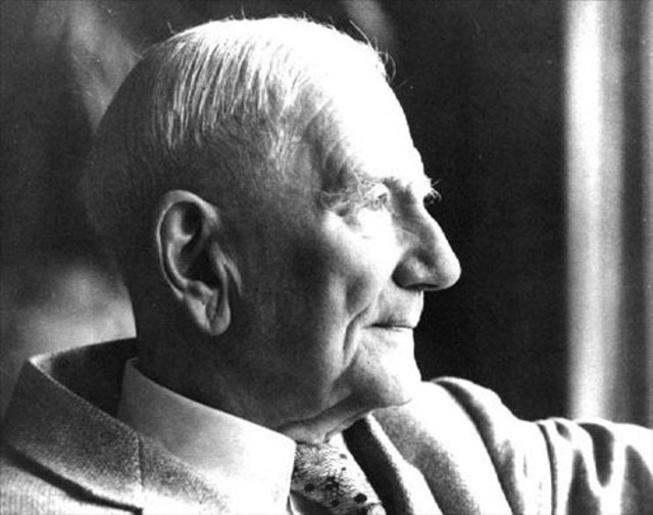
Oliver Triendl’s Spotify BioAs a solo recitalist, concerto soloist, and chamber musician, pianist Oliver Triendl has specialized in little-known repertory, most of it from the German-speaking sphere. He has a large catalog of recordings, many of them on the CPO label.
Triendl was born in Mallersdorf, Bavaria, West Germany, in 1970. He took private lessons from a series of prominent teachers, including Rainer Fuchs, Karl-Heinz Diehl, Eckart Besch, Gerhard Oppitz, and Oleg Maisenberg. Prizes in various national and international competitions helped launch Triendl's career. He made his recording debut in 1992 on the Thorofon label, joining the Czech State Philharmonic Orchestra on an album that included Schumann's Piano Concerto in A minor, Op. 54, and Rachmaninov's Piano Concerto in C minor, Op. 18. Triendl then recorded the Chopin and Ravel concertos for Thorofon in 1994. In 1996, he released an album of piano works by Harald Genzmer on Thorofon, and since then, he has devoted almost all of his recording career to… the revival of music by neglected composers. He has devoted several albums each to Genzmer, Ludwig Thuille, Paul Juon, and Dora Pejačević; the latter was all but unknown when Triendl released an album of her chamber works on the CPO label in 2011.
Triendl has been unusually energetic as a performer. He has appeared across Europe and the Americas, as well as in South Africa, Russia, Japan, India, and China. He has performed as a concerto soloist with several major German orchestras, including the Munich Philharmonic, as well as abroad with groups such as the Chamber Orchestra of Lausanne, the St. Petersburg Camerata, the Shanghai Symphony Orchestra, several orchestras in Poland, and the Mozarteum Orchestra of Salzburg. Triendl is also an enthusiastic chamber music player whose collaborators include such world-class performers as violinist James Ehnes, clarinetist Sabine Meyer, and cellist Tanja Tetzlaff. Triendl founded the Classix Kempten International Chamber Music Festival in Bavaria's Allgäu region in 2006. His efforts to record little-known material have been untiring. He appeared on seven recordings in 2022 and six in 2023 despite pandemic-era recording difficulties, and by the mid-2020s, his catalog comprised more than 100 items. ~ James Manheim, Rovi
Viberate is a music analytics platform built for A&Rs, artist managers, labels, booking agents, marketers, and artists.
It helps music professionals track artist growth, analyze audience data, monitor playlist activity, compare artists, follow song performance, and identify opportunities across the music market.
Public artist pages provide a free preview of selected artist data. Paid plans provide access to deeper analytics, historical data, charts, comparisons, playlist tools, exports, alerts, reports, and additional professional features.
Yes. Public Viberate artist pages provide selected artist analytics and music data for free.
Viberate also offers a 7-day free trial of the full platform. A credit card is required to start the trial. The trial includes access to the complete product so users can test deeper artist analytics, historical views, playlist insights, comparisons, charts, exports, alerts, and reporting features before choosing a paid plan.
Viberate provides artist analytics across streaming, playlists, social media, video, radio airplay, songs, and audience markets.
Users can analyze Spotify performance, Spotify and Apple Music playlists, YouTube activity, TikTok and Instagram growth, radio spins, song performance, audience locations, demographics, rankings, and overall artist momentum.
Artist profiles also connect to music charts, similar artists, and comparison tools, helping users benchmark performance and evaluate artists in context.
Viberate updates key artist and track data daily.
For followed artists and tracks, selected data is refreshed multiple times per day. This helps teams monitor playlist changes, streaming movement, audience growth, releases, and campaign performance with more current data.
Update frequency can vary depending on the metric and data source.
Yes. Viberate lets users compare up to five artists side by side across streaming, social media, audience, and engagement metrics.
Users can compare fanbase growth, audience demographics, locations, Spotify performance, social metrics, and other artist data over selected time periods.
Artist comparison can be used for A&R scouting, benchmarking, booking decisions, campaign planning, and evaluating artists with similar audiences or market positions.