Sergei Taneyev

Classical
Chamber Music
 Viberate Rank: 516483
 Viberate Rank: 516483
 Monthly ListenersFollowers
 Subscribers
 Followers
 Followers
 FansTop Spotify Songs
| Track | 7-Day Streams | |
|---|---|---|
1 | 136 | |
2 | 99 | |
3 | 55 | |
4 | 54 | |
5 | 53 |
Top YouTube VideosMonthly ListenersFeatured in Playlists| Playlist | Followers | |
|---|---|---|
1 |  Sad,very sad, classical music Peer Wijntjes | 12.85K |
2 |  Classical Music by Russian Composers Özlem Değirmenci | 6.37K |
3 |  Kalm met Klassiek NPO Klassiek | 4.96K |
4 |  Classical Church Music Ken | 4.75K |
5 | Russian Orthodox Hymns Olivia Morrow | 4.51K |
Audience| City | Monthly Listeners | |
|---|---|---|
1 |  | 63 |
2 |  | 54 |
3 |  | 43 |
4 |  | 31 |
5 |  | 27 |
See full performance history, audience data, playlist activity, rankings, comparisons, and more in Viberate music analytics. Start with a free trial, then continue with a paid plan.
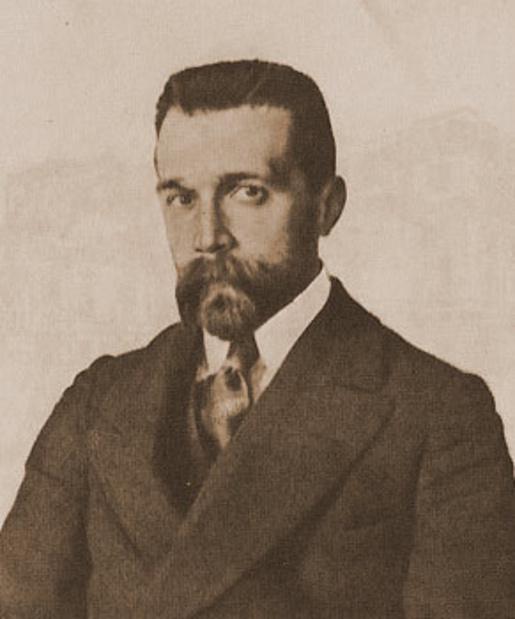
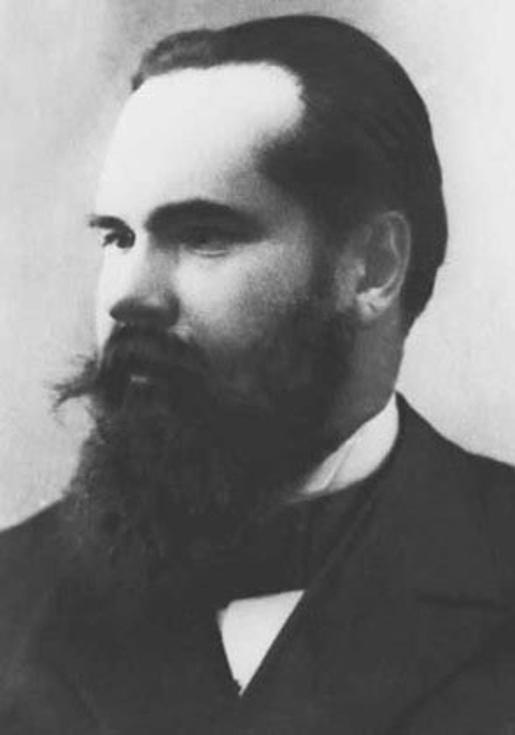
Sergei Taneyev’s Spotify BioTaneyev was an important Russian pianist, educator, and composer active at the turn of the twentieth century. Although he wrote a large quantity of keyboard, orchestral, vocal, and chamber music, he is known today primarily as the teacher of Scriabin, Rachmaninov, and Glière. As a young man, Taneyev made his first impact as a pianist, giving the first Russian performance of Tchaikovsky's First Piano Concerto, and the Russian premieres of all of Tchaikovsky's other works for piano and orchestra. For many years, Taneyev's teaching and administrative duties at the Moscow Conservatory prevented him from touring as a performer, but later in his life, he resumed his career as a pianist, particularly in chamber music.
Taneyev was born into a well-to-do and aristocratically connected family, and therefore had the best possible education. His most important teachers at the Moscow Conservatory were Tchaikovsky, for composition, and Nikolay Rubinstein, for piano. Taneyev received gold medals in… both at his graduation in 1875. After touring as a pianist for three years, Taneyev reluctantly took a position in 1878 at the conservatory, which would eventually lead him to its directorship in 1885. After four years, he resigned, becoming once again an instructor in order to concentrate on composition. The first result of this decision was the completion and premiere of his opera The Oresteia in 1895. In 1905, Taneyev stopped teaching completely and resumed his career as a pianist. As a result, his compositional activities turned almost exclusively to chamber music. By the time of his death at the age of 58, Taneyev had left behind a substantial catalog of works, virtually none of which has entered the standard repertory.
Viberate is a music analytics platform built for A&Rs, artist managers, labels, booking agents, marketers, and artists.
It helps music professionals track artist growth, analyze audience data, monitor playlist activity, compare artists, follow song performance, and identify opportunities across the music market.
Public artist pages provide a free preview of selected artist data. Paid plans provide access to deeper analytics, historical data, charts, comparisons, playlist tools, exports, alerts, reports, and additional professional features.
Yes. Public Viberate artist pages provide selected artist analytics and music data for free.
Viberate also offers a 7-day free trial of the full platform. A credit card is required to start the trial. The trial includes access to the complete product so users can test deeper artist analytics, historical views, playlist insights, comparisons, charts, exports, alerts, and reporting features before choosing a paid plan.
Viberate provides artist analytics across streaming, playlists, social media, video, radio airplay, songs, and audience markets.
Users can analyze Spotify performance, Spotify and Apple Music playlists, YouTube activity, TikTok and Instagram growth, radio spins, song performance, audience locations, demographics, rankings, and overall artist momentum.
Artist profiles also connect to music charts, similar artists, and comparison tools, helping users benchmark performance and evaluate artists in context.
Viberate updates key artist and track data daily.
For followed artists and tracks, selected data is refreshed multiple times per day. This helps teams monitor playlist changes, streaming movement, audience growth, releases, and campaign performance with more current data.
Update frequency can vary depending on the metric and data source.
Yes. Viberate lets users compare up to five artists side by side across streaming, social media, audience, and engagement metrics.
Users can compare fanbase growth, audience demographics, locations, Spotify performance, social metrics, and other artist data over selected time periods.
Artist comparison can be used for A&R scouting, benchmarking, booking decisions, campaign planning, and evaluating artists with similar audiences or market positions.