Nikolai Myaskovsky

Classical
Classical Crossover
 Viberate Rank: 437030
 Viberate Rank: 437030
 Monthly ListenersFollowers
 Subscribers
 Followers
 Followers
 FansTop Spotify SongsTop YouTube VideosMonthly ListenersFeatured in Playlists
| Playlist | Followers | |
|---|---|---|
1 |  Cello Study Music abbygmann | 10.20K |
2 |  figure skating program music ideas abisiatkowski | 6.77K |
3 |  Classical Music by Russian Composers Özlem Değirmenci | 6.38K |
4 |  chaotic classical music trinity | 5.88K |
5 |  Best of Cello Solos Golsana.cello | 4.97K |
Audience| City | Monthly Listeners | |
|---|---|---|
1 |  | 64 |
2 |  | 54 |
3 |  | 49 |
4 |  | 39 |
5 |  | 38 |
See full performance history, audience data, playlist activity, rankings, comparisons, and more in Viberate music analytics. Start with a free trial, then continue with a paid plan.
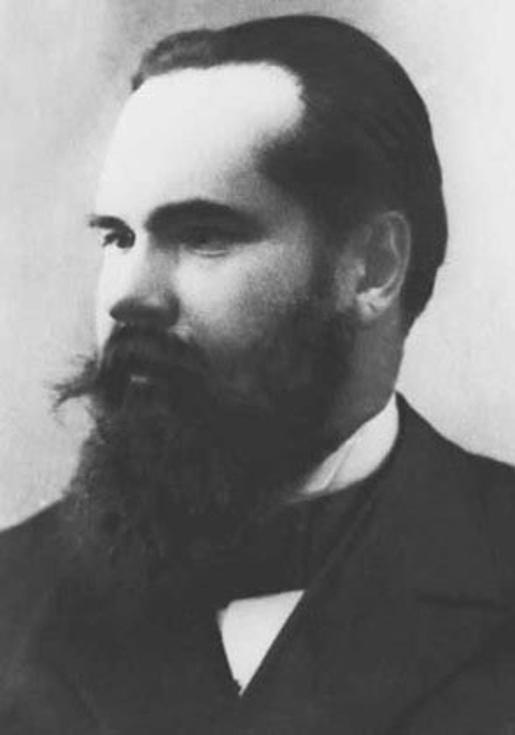
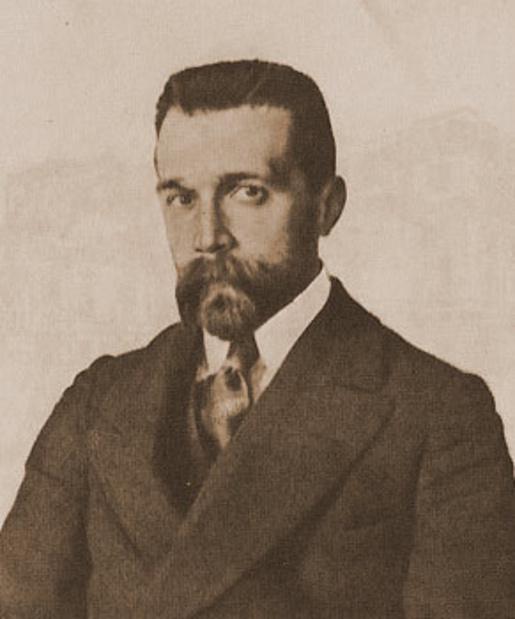
Nikolai Myaskovsky’s Spotify BioNikolay Myaskovsky was an influential Russian composer and educator during the first half of the 20th century. He received several awards and acknowledgments for his achievements, including five Stalin Prizes and an honorary doctorate from the Moscow Conservatory.
Myaskovsky was born in 1881, in the Russian military-occupied Modlin Fortress in Poland. His father was an engineer who worked for the Russian military and also taught at the Military and Engineering Academy in St. Petersburg. As a boy, Myaskovsky received training on both the piano and the violin, but he was ultimately expected to follow the family tradition of joining the military. After his mother died in 1890, he was raised by his aunt, who formerly worked as a singer at the St. Petersburg Opera, and she encouraged him to explore music. He was educated in Russian military schools, which eventually included the academy where his father taught. In addition to his academic responsibilities, Myaskovsky also sang in the… military cadet choir, played in the orchestra, and continued his violin and piano lessons. After he finished his military training in 1902, he began working in a battalion of engineers in Moscow, and he studied harmony with Reinhold Gliere, who also encouraged Myaskovsky to consider changing his career to music.
In the fall of 1903, he was transferred to St. Petersburg, and he started lessons in orchestration and form with Ivan Krïzhanovsky, a former student of Nikolai Rimsky-Korsakov. In 1906 Myaskovsky resigned from his position with the engineering battalion and enrolled at the St. Petersburg Conservatory, where his professors were Anatol Lyadov, Rimsky-Korsakov, and Jāzeps Vitols. He became friends with Sergey Prokofiev, who was also a student at the conservatory. In his third year, Myaskovsky composed his Symphony No. 1, which won a scholarship that paid for the remainder of his schooling. After his graduation in 1911 he became a popular music journalist, taught private lessons, and composed. World War I removed him from his career, and he was recalled into the Russian military and sent to Austria. He fought there for three years, and then he was stationed in Estonia as an engineer for the final year of the war. The October Revolution in Russia extended Myaskovsky's time in the military, but he resumed composing around 1917. After he was finally discharged in 1921, he accepted a teaching position at the Moscow Conservatory.
Myaskovsky became internationally known as a composer in the mid-'20s, as his fifth and sixth symphonies were being performed outside of Russia. Throughout the 1930s and '40s, he continued composing symphonies, piano sonatas, and string quartets. Over his almost 30-year-long career at the Moscow Conservatory, he became highly sought-after as an educator. Some of his more prominent students included Aram Khachaturian, Dmitri Kabalevsky, and Vissarion Shebalin. Through his selfless promotion and encouragement of his students and colleagues, he was often referred to as "the musical conscience of Moscow." Myaskovsky remained active until months before his death from cancer in 1950. His works have been recorded by Idil Biret, Mstislav Rostropovich, and more recently by Vasily Petrenko and the Oslo Philharmonic Orchestra. ~ RJ Lambert, Rovi
Viberate is a music analytics platform built for A&Rs, artist managers, labels, booking agents, marketers, and artists.
It helps music professionals track artist growth, analyze audience data, monitor playlist activity, compare artists, follow song performance, and identify opportunities across the music market.
Public artist pages provide a free preview of selected artist data. Paid plans provide access to deeper analytics, historical data, charts, comparisons, playlist tools, exports, alerts, reports, and additional professional features.
Yes. Public Viberate artist pages provide selected artist analytics and music data for free.
Viberate also offers a 7-day free trial of the full platform. A credit card is required to start the trial. The trial includes access to the complete product so users can test deeper artist analytics, historical views, playlist insights, comparisons, charts, exports, alerts, and reporting features before choosing a paid plan.
Viberate provides artist analytics across streaming, playlists, social media, video, radio airplay, songs, and audience markets.
Users can analyze Spotify performance, Spotify and Apple Music playlists, YouTube activity, TikTok and Instagram growth, radio spins, song performance, audience locations, demographics, rankings, and overall artist momentum.
Artist profiles also connect to music charts, similar artists, and comparison tools, helping users benchmark performance and evaluate artists in context.
Viberate updates key artist and track data daily.
For followed artists and tracks, selected data is refreshed multiple times per day. This helps teams monitor playlist changes, streaming movement, audience growth, releases, and campaign performance with more current data.
Update frequency can vary depending on the metric and data source.
Yes. Viberate lets users compare up to five artists side by side across streaming, social media, audience, and engagement metrics.
Users can compare fanbase growth, audience demographics, locations, Spotify performance, social metrics, and other artist data over selected time periods.
Artist comparison can be used for A&R scouting, benchmarking, booking decisions, campaign planning, and evaluating artists with similar audiences or market positions.