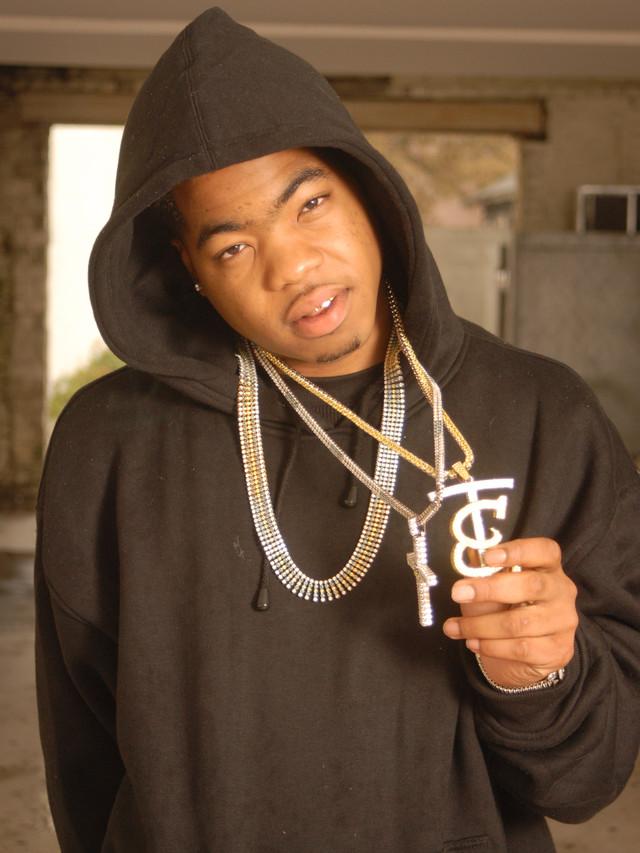
OJ Da Juiceman

Hip Hop
Contemporary Hip Hop
Trap
 Viberate Rank: 22441
 Viberate Rank: 22441
 Monthly ListenersFollowers
 Subscribers
 Followers
 Followers
 FansTop Spotify SongsTop YouTube Videos
| Video | 7-Day Views | |
|---|---|---|
1 | 30.89K | |
2 | 23.06K | |
3 | 12.48K | |
4 | 9.81K | |
5 | 9.21K |
Monthly ListenersFeatured in Playlists| Playlist | Followers | |
|---|---|---|
1 |  Get Turnt Spotify | 6.45M |
2 |  Hip-Hop Central Spotify | 783.76K |
3 |  B4SS B.071w | 154.63K |
4 |  The Drip Spotify | 96.07K |
5 |  Featuring Ty Dolla $ign Ty Dolla $ign | 86.45K |
Audience| City | Monthly Listeners | |
|---|---|---|
1 | | 12.58K |
2 | | 11.68K |
3 | | 10.23K |
4 | | 10.02K |
5 | | 8.85K |
See full performance history, audience data, playlist activity, rankings, comparisons, and more in Viberate music analytics. Start with a free trial, then continue with a paid plan.
OJ Da Juiceman’s Spotify BioOJ da Juiceman is a hardcore Southern rapper who made his major-label album debut in 2009 after releasing over a dozen underground mixtapes, many of them featuring well-known affiliate Gucci Mane. Born Otis Williams, Jr., on November 26, 1981, in Atlanta, GA, he grew up in a single-parent household on the east side of Atlanta with his mother and was initially influenced by N.W.A and other hardcore rappers. In the late '90s he befriended Gucci Mane, who would evolve into one of the more popular hardcore rappers to emerge from Atlanta in the mid-2000s with hits such as "Icy." Given their longtime affiliation, OJ da Juiceman and Gucci Mane often collaborated, which helped the former garner recognition in the Southern rap underground. Moreover, OJ da Juiceman established himself as a solo artist with over a dozen mixtapes hosted by DJ Drama, DJ Ace, DJ Dirty Laundry, Trap-a-Holics, DJ Smallz, and others. After founding the vanity label 32 Entertainment, OJ da Juiceman signed a distribution… deal with Asylum Records and released his major-label album debut, The Otha Side of the Trap (2009), which included previously released mixtape material. The album spawned singles including "I'm Gettin' Money" and "Make the Trap Say Aye," the latter featuring Gucci Mane. ~ Jason Birchmeier, Rovi
Viberate is a music analytics platform built for A&Rs, artist managers, labels, booking agents, marketers, and artists.
It helps music professionals track artist growth, analyze audience data, monitor playlist activity, compare artists, follow song performance, and identify opportunities across the music market.
Public artist pages provide a free preview of selected artist data. Paid plans provide access to deeper analytics, historical data, charts, comparisons, playlist tools, exports, alerts, reports, and additional professional features.
Yes. Public Viberate artist pages provide selected artist analytics and music data for free.
Viberate also offers a 7-day free trial of the full platform. A credit card is required to start the trial. The trial includes access to the complete product so users can test deeper artist analytics, historical views, playlist insights, comparisons, charts, exports, alerts, and reporting features before choosing a paid plan.
Viberate provides artist analytics across streaming, playlists, social media, video, radio airplay, songs, and audience markets.
Users can analyze Spotify performance, Spotify and Apple Music playlists, YouTube activity, TikTok and Instagram growth, radio spins, song performance, audience locations, demographics, rankings, and overall artist momentum.
Artist profiles also connect to music charts, similar artists, and comparison tools, helping users benchmark performance and evaluate artists in context.
Viberate updates key artist and track data daily.
For followed artists and tracks, selected data is refreshed multiple times per day. This helps teams monitor playlist changes, streaming movement, audience growth, releases, and campaign performance with more current data.
Update frequency can vary depending on the metric and data source.
Yes. Viberate lets users compare up to five artists side by side across streaming, social media, audience, and engagement metrics.
Users can compare fanbase growth, audience demographics, locations, Spotify performance, social metrics, and other artist data over selected time periods.
Artist comparison can be used for A&R scouting, benchmarking, booking decisions, campaign planning, and evaluating artists with similar audiences or market positions.