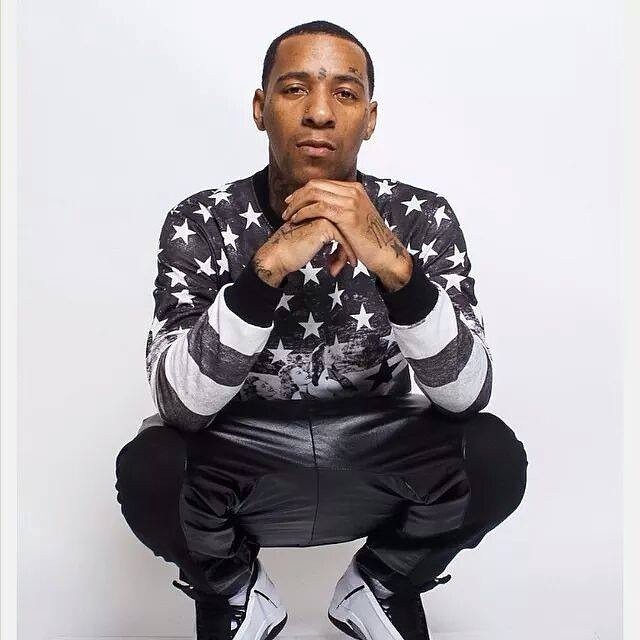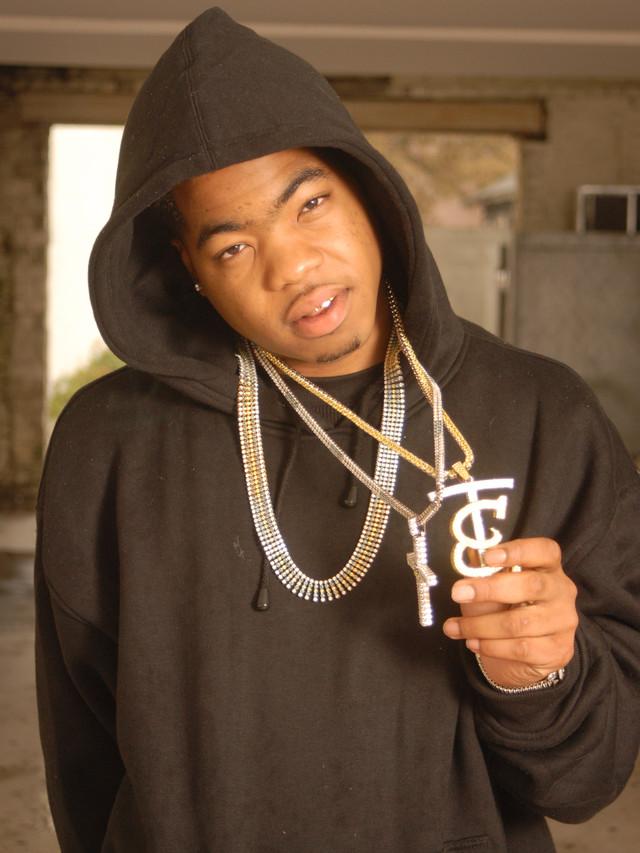
Webbie

Hip Hop
Contemporary Hip Hop
Alternative Hip Hop
 Viberate Rank: 6166
 Viberate Rank: 6166
 Monthly ListenersFollowers
 Subscribers
 Followers
 Followers
 FansTop Spotify Songs
| Track | 7-Day Streams | |
|---|---|---|
1 | 653.18K | |
2 | 216.30K | |
3 | 205.12K | |
4 | 105.83K | |
5 | 102.55K |
Top YouTube VideosMonthly ListenersFeatured in Playlists| Playlist | Followers | |
|---|---|---|
1 |  House Party Spotify | 481.59K |
2 | Grinding in a sweaty HS cafeteria Bridget Friendly | 441.15K |
3 |  DIRTY SOUTH 2000's valentin | 281.46K |
4 | 2000s Crunk Hits userxya2jfc8hd | 238.90K |
5 |  This Is Gucci Mane Spotify | 197.38K |
Audience| City | Monthly Listeners | |
|---|---|---|
1 | | 117.88K |
2 | | 92.83K |
3 | | 63.36K |
4 | | 53.91K |
5 | | 53.78K |
See full performance history, audience data, playlist activity, rankings, comparisons, and more in Viberate music analytics. Start with a free trial, then continue with a paid plan.
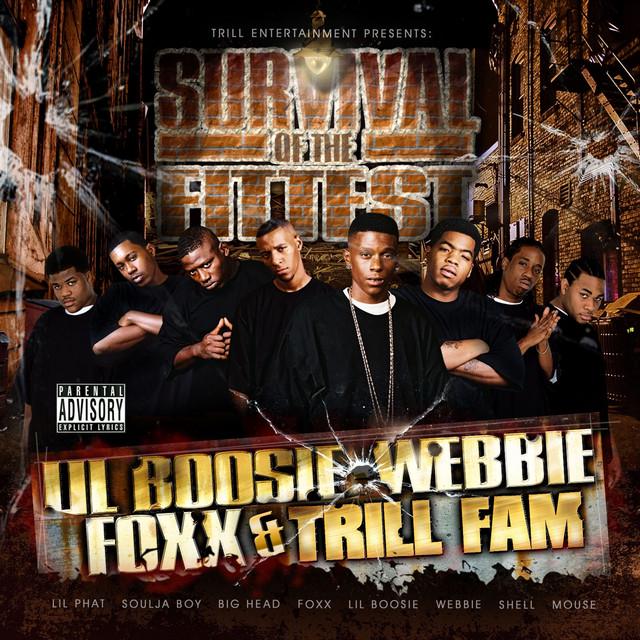
Webbie’s Spotify BioBaton Rouge native Webster "Webbie" Gradney, Jr.'s brash and street-smart style was influenced by the early No Limit and Cash Money releases that were creeping out of nearby New Orleans, and the classic West Coast sound of Snoop Dogg and Eazy-E. Webbie was only eight when his mother died of cancer. Bouncing from family member to family member was hard, but the West Coast tapes his cousin would loan him provided Webbie with rebellious music that spoke to his inner tension. Later, and not even a teenager yet, he was identifying with the thuggish street music of Master P, Eightball & MJG, and UGK, Dirty South legends who spoke the same slang Webbie did. Seeing that you didn't have to be from the East or West Coast to make your mark in hip-hop, Webbie became serious about the rhymes he had been messing around with since he was five. With so much focus on his rapping, high school was a struggle, but his poor grades didn't seem to matter much when Pimp C from UGK came calling. He was signed… to Pimp C's Trill Entertainment before he got his driver's license and recorded two albums for the label: 2003's Ghetto Stories and 2004's Gangsta Muzik, both with fellow Baton Rouge rapper Lil Boosie. In early 2005 the solo Webbie tracks "Gimme Dat" and "Bad Bitch" were appearing on mixtapes by Evil Empire and DJ Smallz, while in the background, Trill was working out a distribution deal with the Warner Bros.-associated label Atlantic. With the contracts signed, Webbie's full-length Savage Life hit the streets in June the same year. Savage Life 2 arrived in 2008, while the 2010 set All or Nothing featured Webbie alongside Lil Boosie and the rest of the Trill Entertainment family. A third volume of the Savage Life series followed in 2011, with a fourth volume landing in 2013. Savage Life V arrived in 2016 along with the single "Problems" featuring Boosie Badazz. ~ David Jeffries, Rovi
Viberate is a music analytics platform built for A&Rs, artist managers, labels, booking agents, marketers, and artists.
It helps music professionals track artist growth, analyze audience data, monitor playlist activity, compare artists, follow song performance, and identify opportunities across the music market.
Public artist pages provide a free preview of selected artist data. Paid plans provide access to deeper analytics, historical data, charts, comparisons, playlist tools, exports, alerts, reports, and additional professional features.
Yes. Public Viberate artist pages provide selected artist analytics and music data for free.
Viberate also offers a 7-day free trial of the full platform. A credit card is required to start the trial. The trial includes access to the complete product so users can test deeper artist analytics, historical views, playlist insights, comparisons, charts, exports, alerts, and reporting features before choosing a paid plan.
Viberate provides artist analytics across streaming, playlists, social media, video, radio airplay, songs, and audience markets.
Users can analyze Spotify performance, Spotify and Apple Music playlists, YouTube activity, TikTok and Instagram growth, radio spins, song performance, audience locations, demographics, rankings, and overall artist momentum.
Artist profiles also connect to music charts, similar artists, and comparison tools, helping users benchmark performance and evaluate artists in context.
Viberate updates key artist and track data daily.
For followed artists and tracks, selected data is refreshed multiple times per day. This helps teams monitor playlist changes, streaming movement, audience growth, releases, and campaign performance with more current data.
Update frequency can vary depending on the metric and data source.
Yes. Viberate lets users compare up to five artists side by side across streaming, social media, audience, and engagement metrics.
Users can compare fanbase growth, audience demographics, locations, Spotify performance, social metrics, and other artist data over selected time periods.
Artist comparison can be used for A&R scouting, benchmarking, booking decisions, campaign planning, and evaluating artists with similar audiences or market positions.