Northside

Rock
Indie Rock
Alternative Rock
 Viberate Rank: 176175
 Viberate Rank: 176175
 Monthly ListenersFollowers
 Subscribers
 Followers
 Followers
 FansTop Spotify Songs
| Track | 7-Day Streams | |
|---|---|---|
1 | 4.64K | |
2 | 4.30K | |
3 | 4.25K | |
4 | 2.40K | |
5 | 1.73K |
Top YouTube VideosMonthly ListenersFeatured in Playlists| Playlist | Followers | |
|---|---|---|
1 |  60s 70s 80s 90s 00s Greatest Hits and Songs Diestro Music | 51.95K |
2 | Britpop classics Raymond Manookian | 20.23K |
3 |  MADCHESTER Raquel ☘️ | 16.96K |
4 | Ultimate 90s Indie/Alt jalf79 | 13.20K |
5 |  THIS IS THE REFLEX 💪 thereflexmusic | 9.12K |
Audience| City | Monthly Listeners | |
|---|---|---|
1 | | 1.69K |
2 | | 1.65K |
3 | | 738 |
4 | | 531 |
5 |  | 327 |
See full performance history, audience data, playlist activity, rankings, comparisons, and more in Viberate music analytics. Start with a free trial, then continue with a paid plan.
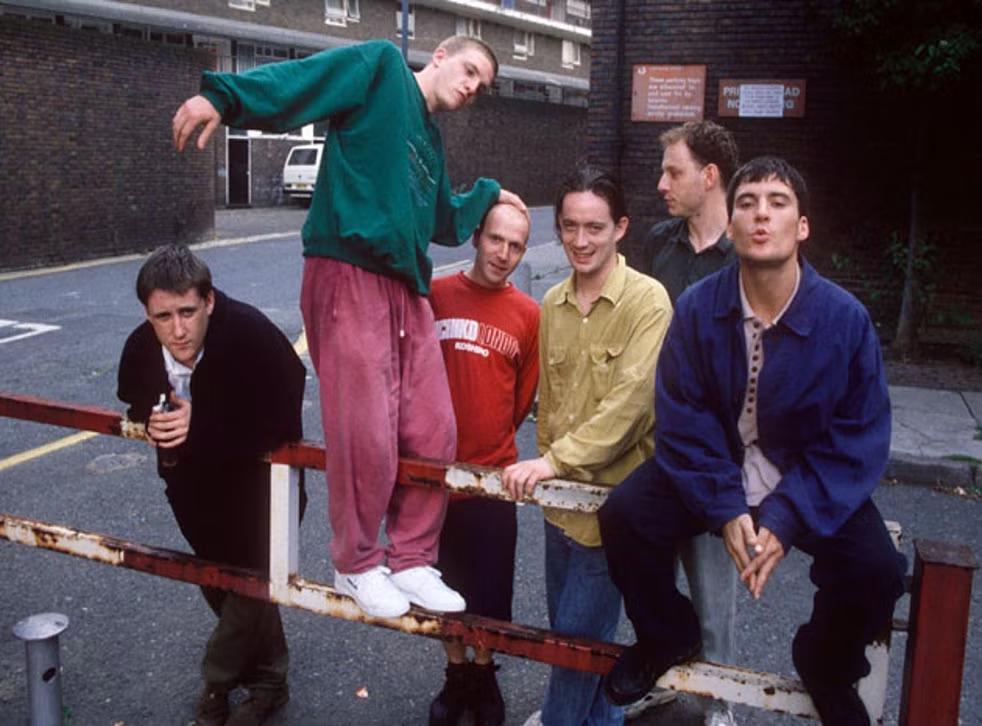
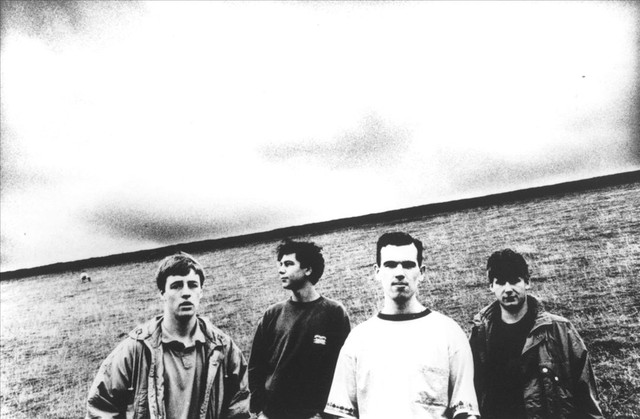
Northside’s Spotify BioNorthside was a minor-league player in the Madchester field of all-stars. Formed in Manchester, England, in 1989 by Warren Dermody (vocals), Michael Upton (guitar), Cliff Ogier (bass), and Paul Walsh (drums), Northside had the backing of the indomitable U.K. indie Factory Records, but musically the band wasn't as ambitious as its peers the Stone Roses and the Happy Mondays. In fact, the British press accused the group of simply jumping on the Madchester bandwagon, borrowing the shuffling guitars and club beats of the Roses and the Mondays without contributing anything new or different. In 1990, they recorded a pair of singles, Shall We Take a Trip and My Rising Star, that capitalized on the popularity of the Madchester sound. Shall We Take a Trip was banned by U.K. radio stations for its drug references, but it landed at number 50 on the English charts. Timmy Walsh also replaced Upton that year. In July 1990, the group signed with Geffen Records in the U.S., and My Rising Star leapt to… number 32 on the British charts in October. On June 17, 1991, Northside released its debut album, Chicken Rhythms, produced by Ian Broudie of Care and the Lightning Seeds; the LP quickly penetrated the Top 20. The single Take 5 was one of the last British pop songs to perform well on American modern rock stations before the format's grunge takeover of the early '90s. It was also the closest they ever came to having a hit in the U.S. In 1993, the band toured with Revenge and searched for a new label after Factory fell apart. Northside underwent several lineup changes for the next few years as the group tried to write material for a second album. The band broke up in December 1996 after a final performance at the Hacienda in Manchester, England. ~ Michael Sutton, Rovi
Viberate is a music analytics platform built for A&Rs, artist managers, labels, booking agents, marketers, and artists.
It helps music professionals track artist growth, analyze audience data, monitor playlist activity, compare artists, follow song performance, and identify opportunities across the music market.
Public artist pages provide a free preview of selected artist data. Paid plans provide access to deeper analytics, historical data, charts, comparisons, playlist tools, exports, alerts, reports, and additional professional features.
Yes. Public Viberate artist pages provide selected artist analytics and music data for free.
Viberate also offers a 7-day free trial of the full platform. A credit card is required to start the trial. The trial includes access to the complete product so users can test deeper artist analytics, historical views, playlist insights, comparisons, charts, exports, alerts, and reporting features before choosing a paid plan.
Viberate provides artist analytics across streaming, playlists, social media, video, radio airplay, songs, and audience markets.
Users can analyze Spotify performance, Spotify and Apple Music playlists, YouTube activity, TikTok and Instagram growth, radio spins, song performance, audience locations, demographics, rankings, and overall artist momentum.
Artist profiles also connect to music charts, similar artists, and comparison tools, helping users benchmark performance and evaluate artists in context.
Viberate updates key artist and track data daily.
For followed artists and tracks, selected data is refreshed multiple times per day. This helps teams monitor playlist changes, streaming movement, audience growth, releases, and campaign performance with more current data.
Update frequency can vary depending on the metric and data source.
Yes. Viberate lets users compare up to five artists side by side across streaming, social media, audience, and engagement metrics.
Users can compare fanbase growth, audience demographics, locations, Spotify performance, social metrics, and other artist data over selected time periods.
Artist comparison can be used for A&R scouting, benchmarking, booking decisions, campaign planning, and evaluating artists with similar audiences or market positions.