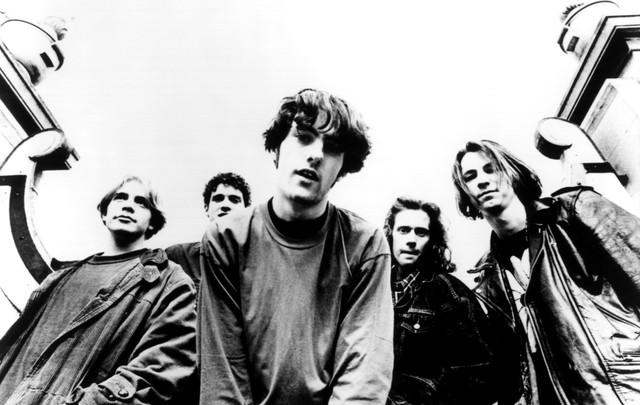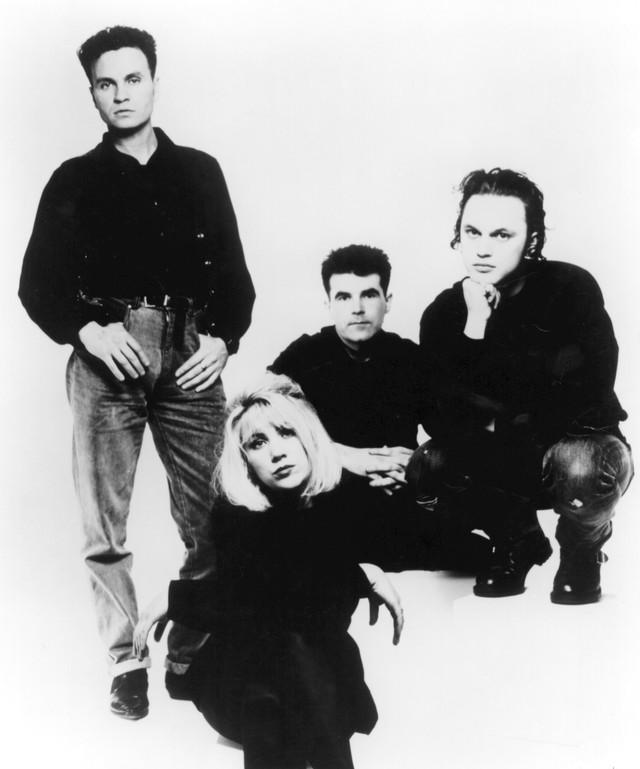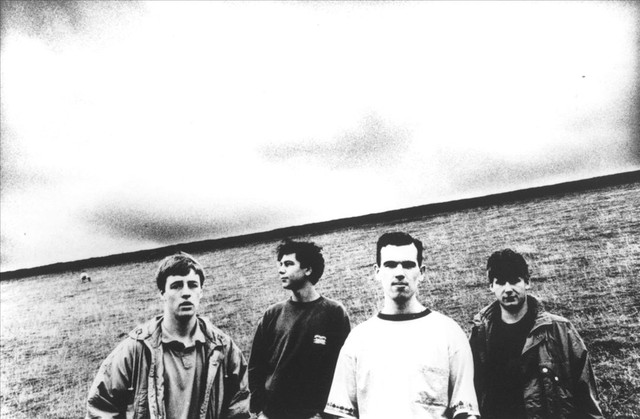
The Dylans

Pop
Indie Pop
Alternative Rock
 Viberate Rank: 364897
 Viberate Rank: 364897
 Monthly ListenersFollowers
 Subscribers
 Followers
 Followers
 FansTop Spotify Songs
| Track | 7-Day Streams | |
|---|---|---|
1 | 356 | |
2 | 222 | |
3 | 164 | |
4 | 135 | |
5 | 121 |
Top YouTube VideosMonthly ListenersFeatured in Playlists| Playlist | Followers | |
|---|---|---|
1 |  MADCHESTER Raquel ☘️ | 16.96K |
2 | Madchester gnuvoodoo | 16.49K |
3 |  Shoegaze of the 80s and 90s: Still In A Dream Cherry Red Records | 5.70K |
4 |  Obscure Rare And Forgotten 90's Alternative, Rock, Metal, And Grunge Deep Cuts Rick Plant | 5.01K |
5 |  Beavis and Butthead - Complete MTV Collection zer0space | 4.30K |
Audience| City | Monthly Listeners | |
|---|---|---|
1 | | 105 |
2 | | 77 |
3 | | 38 |
4 | | 35 |
5 |  | 32 |
See full performance history, audience data, playlist activity, rankings, comparisons, and more in Viberate music analytics. Start with a free trial, then continue with a paid plan.
The Dylans’ Spotify BioThe neo-psychedelic British band the Dylans formed in Sheffield, England in 1989 around the nucleus of vocalist/bassist Colin Gregory and guitarists Jim Rodger and Andy Curtis. Before ever even performing live, the group won a contract with Beggars Banquet in the summer of 1990, and after recruiting keyboardist Quentin Jennings and drummer Garry Jones they made their concert debut in the early weeks of the following year. The Dylans' first single "Godlike" appeared not long after, reaching the Top Ten on the U.K. indie charts; after replacing Curtis with guitarist Andy Cook, they returned with the two-sided "Lemon Afternoon"/"My Hands Are Tied." After a third indie hit, "Planet Love," the Dylans issued their self-titled debut LP in October 1991. In the wake of a grueling tour, they resurfaced in 1992 with the single "Mary Quant in Blue," even as the group seemed in a constant state of flux -- after Jones was fired, Cook switched to drums, and Craig Scott was recruited on guitar; soon J…ennings, who had taken a leave of absence to care for his ill wife, was replaced by keyboardist Ike Glover. By the time of their second LP, late 1993's Spirit Finger, the face of British pop music had altered dramatically, and the Dylans now seemed dated; the record fared poorly, and they soon disbanded. ~ Jason Ankeny, Rovi
Viberate is a music analytics platform built for A&Rs, artist managers, labels, booking agents, marketers, and artists.
It helps music professionals track artist growth, analyze audience data, monitor playlist activity, compare artists, follow song performance, and identify opportunities across the music market.
Public artist pages provide a free preview of selected artist data. Paid plans provide access to deeper analytics, historical data, charts, comparisons, playlist tools, exports, alerts, reports, and additional professional features.
Yes. Public Viberate artist pages provide selected artist analytics and music data for free.
Viberate also offers a 7-day free trial of the full platform. A credit card is required to start the trial. The trial includes access to the complete product so users can test deeper artist analytics, historical views, playlist insights, comparisons, charts, exports, alerts, and reporting features before choosing a paid plan.
Viberate provides artist analytics across streaming, playlists, social media, video, radio airplay, songs, and audience markets.
Users can analyze Spotify performance, Spotify and Apple Music playlists, YouTube activity, TikTok and Instagram growth, radio spins, song performance, audience locations, demographics, rankings, and overall artist momentum.
Artist profiles also connect to music charts, similar artists, and comparison tools, helping users benchmark performance and evaluate artists in context.
Viberate updates key artist and track data daily.
For followed artists and tracks, selected data is refreshed multiple times per day. This helps teams monitor playlist changes, streaming movement, audience growth, releases, and campaign performance with more current data.
Update frequency can vary depending on the metric and data source.
Yes. Viberate lets users compare up to five artists side by side across streaming, social media, audience, and engagement metrics.
Users can compare fanbase growth, audience demographics, locations, Spotify performance, social metrics, and other artist data over selected time periods.
Artist comparison can be used for A&R scouting, benchmarking, booking decisions, campaign planning, and evaluating artists with similar audiences or market positions.