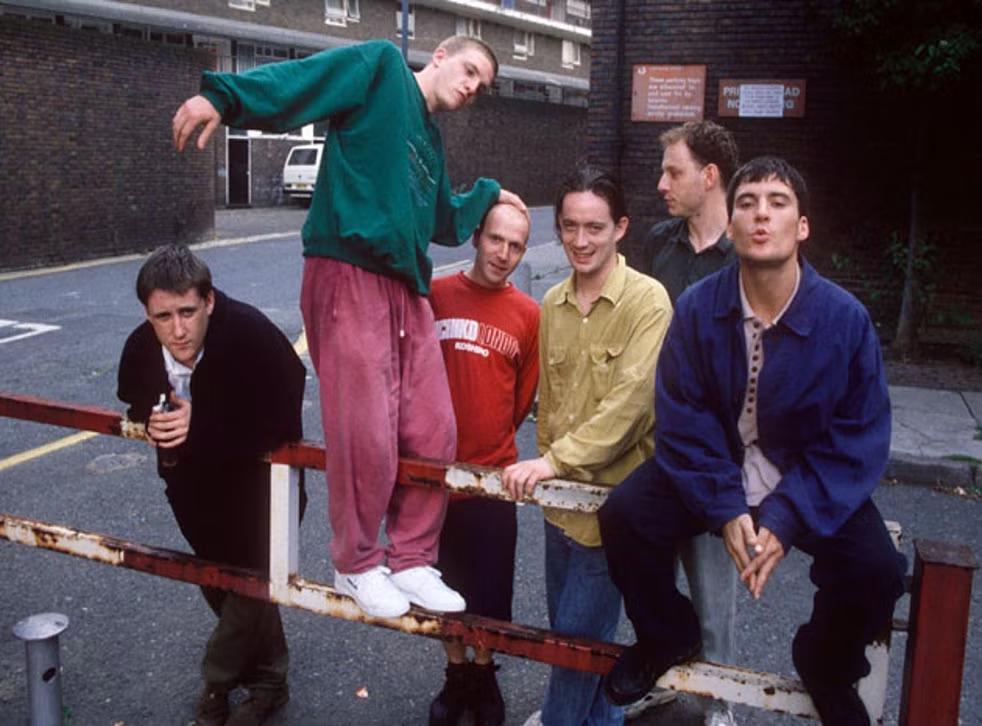
Flowered Up

Pop
Indie Pop
Alternative Rock
Dance
 Viberate Rank: 248696
 Viberate Rank: 248696
 Monthly ListenersFollowers
 Subscribers
 Followers
 Followers
 FansTop YouTube Videos
| Video | 7-Day Views | |
|---|---|---|
1 | 769 | |
2 | 109 |
Monthly ListenersFeatured in Playlists| Playlist | Followers | |
|---|---|---|
1 |  MADCHESTER Raquel ☘️ | 16.96K |
2 | Madchester gnuvoodoo | 16.49K |
3 | Indie Singalong dylanmason | 9.22K |
4 | Top 10,000 Songs of All Time Acclaimed Music | 9.19K |
5 | Radio X Joe | 6.84K |
Audience| City | Monthly Listeners | |
|---|---|---|
1 | | 903 |
2 | | 512 |
3 | | 305 |
4 | | 228 |
5 |  | 108 |
See full performance history, audience data, playlist activity, rankings, comparisons, and more in Viberate music analytics. Start with a free trial, then continue with a paid plan.
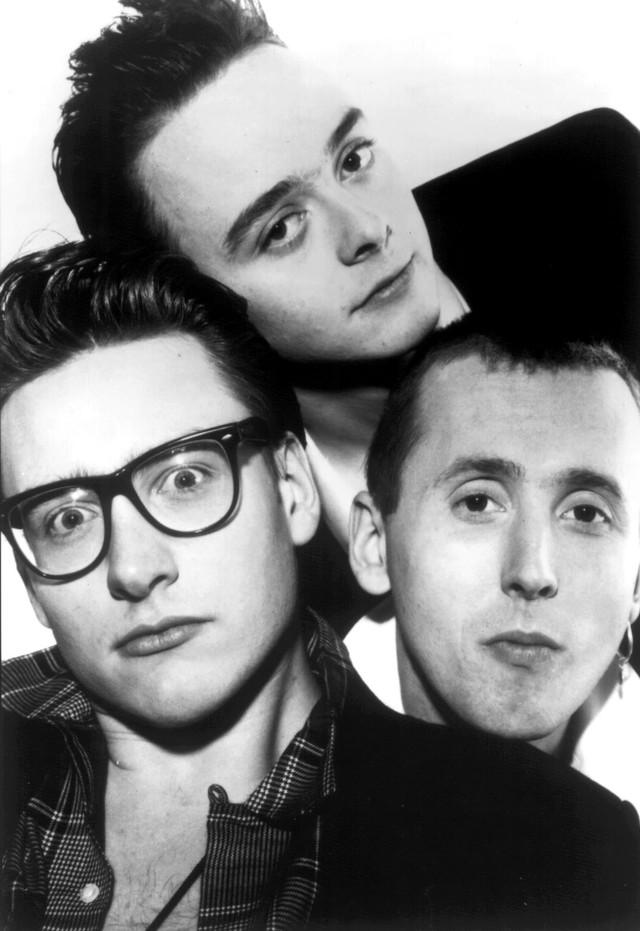
Flowered Up’s Spotify BioThe perfect representation of the baggy movement’s pills ‘n’ thrills hedonism, within a few years Flowered Up went from working-class kids to one of Britain’s most hyped groups to drug-induced flameout.
Seen as London’s answer to Madchester groups like the Stone Roses and Happy Mondays, Flowered Up formed in 1989 in a Camden housing estate and featured vocalist Liam Maher, keyboardist Tim Dorney, guitarist Joe Maher, bassist Andy Jackson, drummer John Tovey, Des Penney as manager and occasional lyric writer, and Barry Mooncult, who wasn’t officially a member of the band but danced on-stage with a giant flower around his neck.
Although they started out playing at acid house parties, Flowered Up were very much a rock band. From their first gig at the end of 1989, the group’s unpredictable but enthusiastic live shows earned Flowered Up an equal amount of fans, detractors, and hype. Indeed, the band appeared on the covers of both NME and Melody Maker before they released any music.
It’s easy… to fixate on how the Flowered Up story ends. Dangerous drugs, bad living and all the attendant chaos that brought. The inevitable dissolution that followed.
Would it not be better to dwell on the positives? How about focusing on the fact that they were the living embodiment of the myth of the last gang in town - less London’s answer to Manchester and more a guttural fuck you to anyone that tried to pigeonhole them.
Viberate is a music analytics platform built for A&Rs, artist managers, labels, booking agents, marketers, and artists.
It helps music professionals track artist growth, analyze audience data, monitor playlist activity, compare artists, follow song performance, and identify opportunities across the music market.
Public artist pages provide a free preview of selected artist data. Paid plans provide access to deeper analytics, historical data, charts, comparisons, playlist tools, exports, alerts, reports, and additional professional features.
Yes. Public Viberate artist pages provide selected artist analytics and music data for free.
Viberate also offers a 7-day free trial of the full platform. A credit card is required to start the trial. The trial includes access to the complete product so users can test deeper artist analytics, historical views, playlist insights, comparisons, charts, exports, alerts, and reporting features before choosing a paid plan.
Viberate provides artist analytics across streaming, playlists, social media, video, radio airplay, songs, and audience markets.
Users can analyze Spotify performance, Spotify and Apple Music playlists, YouTube activity, TikTok and Instagram growth, radio spins, song performance, audience locations, demographics, rankings, and overall artist momentum.
Artist profiles also connect to music charts, similar artists, and comparison tools, helping users benchmark performance and evaluate artists in context.
Viberate updates key artist and track data daily.
For followed artists and tracks, selected data is refreshed multiple times per day. This helps teams monitor playlist changes, streaming movement, audience growth, releases, and campaign performance with more current data.
Update frequency can vary depending on the metric and data source.
Yes. Viberate lets users compare up to five artists side by side across streaming, social media, audience, and engagement metrics.
Users can compare fanbase growth, audience demographics, locations, Spotify performance, social metrics, and other artist data over selected time periods.
Artist comparison can be used for A&R scouting, benchmarking, booking decisions, campaign planning, and evaluating artists with similar audiences or market positions.