Inspiral Carpets

Rock
Indie Rock
Alternative Rock
 Viberate Rank: 46167
 Viberate Rank: 46167
 Monthly ListenersFollowers
 Subscribers
 Followers
 Followers
 FansTop Spotify Songs
| Track | 7-Day Streams | |
|---|---|---|
1 | 55.25K | |
2 | 39.86K | |
3 | 9.67K | |
4 | 9.63K | |
5 | 7.19K |
Top YouTube Videos| Video | 7-Day Views | |
|---|---|---|
1 | 219 | |
2 | 182 | |
3 | 69 | |
4 | 69 | |
5 | 58 |
Monthly ListenersFeatured in Playlists| Playlist | Followers | |
|---|---|---|
1 |  Made in Manchester Spotify | 252.49K |
2 |  bruv date Spotify | 170.56K |
3 |  Transistor Spotify | 150.97K |
4 |  Derry Girls: Every Single Fab Tune Rory McEvoy | 128.86K |
5 | GRUNGE zerubi | 80.89K |
Audience| City | Monthly Listeners | |
|---|---|---|
1 | | 19.61K |
2 | | 16.17K |
3 | | 7.45K |
4 | | 6.19K |
5 |  | 3.11K |
See full performance history, audience data, playlist activity, rankings, comparisons, and more in Viberate music analytics. Start with a free trial, then continue with a paid plan.
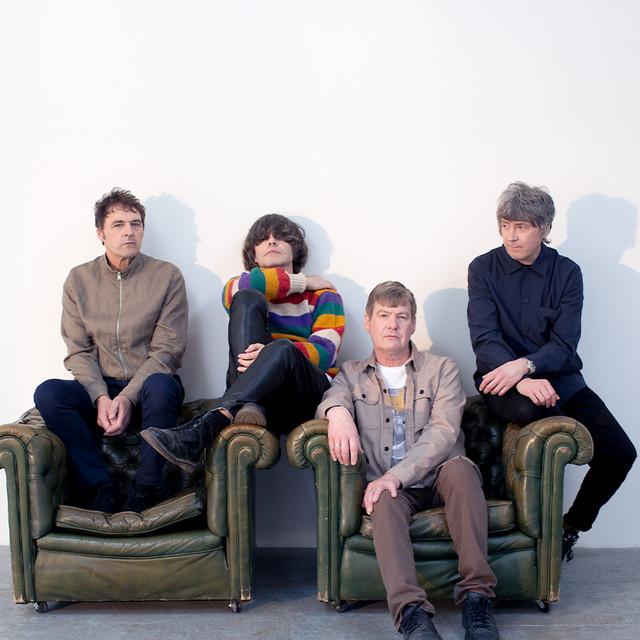
Inspiral Carpets’ Spotify BioAfter the Stone Roses and Happy Mondays, Inspiral Carpets were arguably the third most popular band to emerge from the late-'80s/early-'90s Madchester scene. Like the Charlatans, they weren't quite as innovative as the city's two standard-bearers, relying less on the contemporary dance club beats that became Madchester pop's identifying signature. They did, however, share a fascination with trippy psychedelia, particularly the Farfisa organ-drenched sound of Nuggets-style garage rock from the '60s, which set them apart from their peers. It also enabled them to tinker with their sound once the Madchester fad had passed, and the group continued to score hits right up to their mid-'90s breakup.
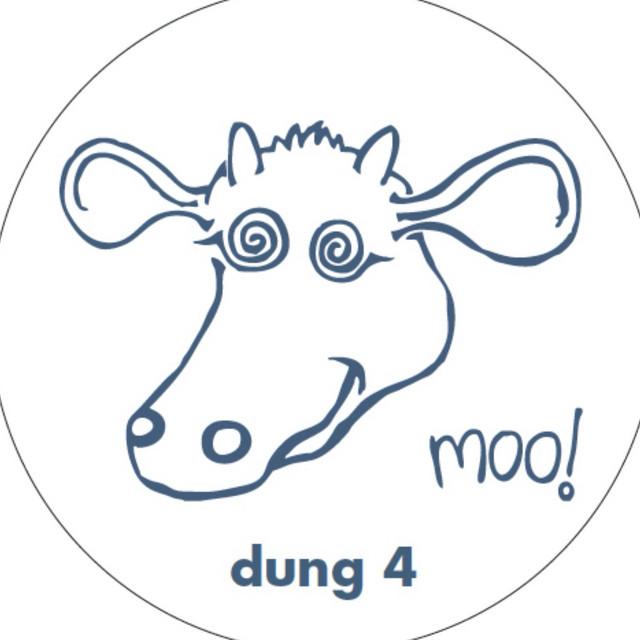
Inspiral Carpets were formed in the Greater Manchester town of Oldham by guitarist Graham Lambert -- who'd been playing around the area since 1982 -- and vocalist Stephen Holt; the duo soon recruited drummer Craig Gill. The group began to settle on a permanent lineup in 1986 when Farfisa organist Cl…int Boon joined up and bassist Dave Swift came into the fold the following year. '60s-influenced garage punk-style demo tapes, recorded at Boon's studio, helped to get the band noticed in Manchester, as did local support slots with the Bodines and Spacemen 3. Clever merchandising also helped the band out financially; they sold T-shirts featuring their smoking-cow logo and their slogan "Cool as F*ck," which got them media attention when a student wearing the shirt was arrested for violating obscenity laws. Their first national release came in 1988 with the Plane Crash EP on Playtime Records, but when that label's distributor went out of business later that year, the band set up their own imprint, Cow Records, which was financed mostly by T-shirt sales. The first release on Cow was the 1989 EP Trainsurfing, which got the band even more national attention. At this point, Holt and Swift -- not keen on professional careers involving lots of time and travel -- decided to leave and were replaced by vocalist Tom Hingley (ex-Too Much Texas) and bassist Martyn Walsh. With their arrival, the band's Madchester-compatible style began to crystallize, as evidenced on the new lineup's first release, the swirling, organ-driven psychedelic tune "Joe" (May 1989). The single caused a stir in the indie underground that only intensified with the follow-ups "Find Out Why" and "Move," and after being courted by several major labels, the band wound up signing with the large London-based indie Mute.
Inspiral Carpets' debut album, Life, was released in the spring of 1990. Their first single for Mute, "This Is How It Feels," hit the British Top 20 and landed them a TV appearance on Top of the Pops; the follow-up, "She Comes in the Fall," reached the Top 30. The band recorded sessions with DJ John Peel and appeared at that year's Reading Festival, helping make Life a sizable hit. After releasing the Island Head EP late in the year, the band completed its next full-length, the darker The Beast Inside, which appeared in the spring of 1991. For the supporting tour, the band hired future Oasis mastermind Noel Gallagher as a roadie. Inspiral Carpets scored their biggest chart hit in the spring of 1992 with "Dragging Me Down," which appeared on their third album, Revenge of the Goldfish, released later that fall. Although it produced three more Top 40 singles and got the band a bigger overseas audience, the album was issued when the Manchester scene's moment was perceived to have passed. Next, the group returned to a more basic garage/psychedelic sound for 1994's Devil Hopping. It was generally well received, with the singles "Saturn 5" and "I Want You" (the latter a duet with the Fall's Mark E. Smith, who did not appear on the album version) returning them to the Top 20. In late 1995, Mute released a compilation called The Singles and Inspiral Carpets split not long afterwards. Boon formed the Clint Boon Experience, while Hingley formed a group called the Lovers with Jerry Kelly of the Lotus Eaters. Hingley went solo in late 2000, issuing the acoustic album Keep Britain Untidy.
After an eight-year hiatus, the band re-formed for two well-received sold-out tours in 2003, and this reappearance also brought the appropriately titled single "Come Back Tomorrow," a recording culled from a 1995 session. Also issued that year was the three-disc compilation Cool As, which brought together all of the band's singles and promo videos to date, plus a selection of B-sides. A DVD of an April 2003 show, Live at Brixton Academy, appeared in early 2004. Although Inspiral Carpets continued to be a going concern over the next few years, its members also furthered their careers outside the band, with Gill founding Manchester Music Tours, Lambert pursuing concert promotion, Boon DJ'ing on XFM Manchester, Walsh providing music marketing advice, and Hingley teaching performance art. They toured throughout 2007 and 2008 after releasing a digital-only rarities compilation, Keep the Circle.
By the end of February 2011 Hingley was no longer part of the band, and that August it was announced that Holt was returning to front Inspiral Carpets for the first time in 23 years. Sporadic international live shows were announced before the band issued the single "You're So Good for Me" on Record Store Day in April 2012, and they followed this a year later with "Fix Your Smile." In April 2014, Cherry Red Records re-released the Holt-fronted, 1987-recorded demo album Dung 4, which had previously only been available on cassette for a short while in the late '80s. The greater news was the band's decision to extend its reunion to the studio, which meant that the original lineup featuring Holt recorded their first-ever studio album two decades after forming. This record, naturally called Inspiral Carpets, appeared to strong reviews in the fall of 2014, and featured a collaboration with the punk-poet John Cooper Clarke on the single "Let You Down."
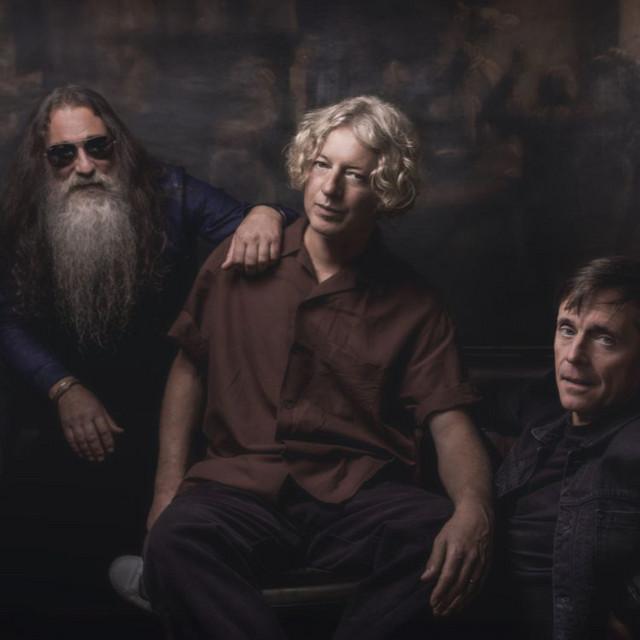
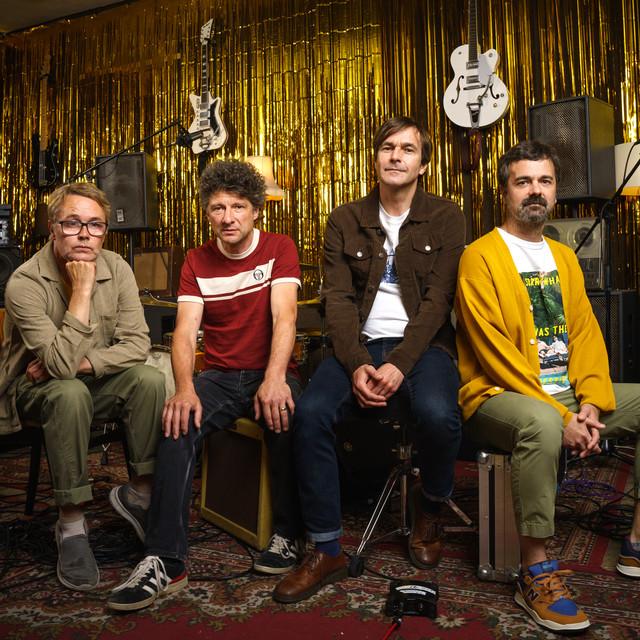
In November 2016, Gill died, effectively resulting in Inspiral Carpets ceasing all activities as a band, out of respect for their long-serving compatriot. The remaining members returned to their day jobs, briefly reconnecting with fans in 2020 through a number of online album-listening parties organized during the early stages of the COVID-19 pandemic. In early 2023, Holt, Lambert, and Boon reassembled for the band's first live dates in eight years. Although Walsh remained part of the fold, he opted not to join this tour, leaving Jake Fletcher -- a singer/songwriter with live experience backing both Paul Weller and the Specials -- to step in on bass. A contemporary of Gill's -- the former Rainkings and Dub Sex member Kev Clark -- drummed for this tour. It followed the release of The Complete Singles, a remastered collection tracing their output from 1988's "Keep the Circle Around" to "Let You Down." Walsh curated a remix disc to accompany it, which contained previously unavailable revamps of "This Is How It Feels" and "Changes." ~ Steve Huey
Viberate is a music analytics platform built for A&Rs, artist managers, labels, booking agents, marketers, and artists.
It helps music professionals track artist growth, analyze audience data, monitor playlist activity, compare artists, follow song performance, and identify opportunities across the music market.
Public artist pages provide a free preview of selected artist data. Paid plans provide access to deeper analytics, historical data, charts, comparisons, playlist tools, exports, alerts, reports, and additional professional features.
Yes. Public Viberate artist pages provide selected artist analytics and music data for free.
Viberate also offers a 7-day free trial of the full platform. A credit card is required to start the trial. The trial includes access to the complete product so users can test deeper artist analytics, historical views, playlist insights, comparisons, charts, exports, alerts, and reporting features before choosing a paid plan.
Viberate provides artist analytics across streaming, playlists, social media, video, radio airplay, songs, and audience markets.
Users can analyze Spotify performance, Spotify and Apple Music playlists, YouTube activity, TikTok and Instagram growth, radio spins, song performance, audience locations, demographics, rankings, and overall artist momentum.
Artist profiles also connect to music charts, similar artists, and comparison tools, helping users benchmark performance and evaluate artists in context.
Viberate updates key artist and track data daily.
For followed artists and tracks, selected data is refreshed multiple times per day. This helps teams monitor playlist changes, streaming movement, audience growth, releases, and campaign performance with more current data.
Update frequency can vary depending on the metric and data source.
Yes. Viberate lets users compare up to five artists side by side across streaming, social media, audience, and engagement metrics.
Users can compare fanbase growth, audience demographics, locations, Spotify performance, social metrics, and other artist data over selected time periods.
Artist comparison can be used for A&R scouting, benchmarking, booking decisions, campaign planning, and evaluating artists with similar audiences or market positions.