Nicholas Angelich

Classical
Chamber Music
 Viberate Rank: 215996
 Viberate Rank: 215996
 Monthly ListenersFollowers
 Subscribers
 Followers
 Followers
 FansTop Spotify Songs
| Track | 7-Day Streams | |
|---|---|---|
1 | 3.27K | |
2 | 1.92K | |
3 | 1.22K | |
4 | 1.06K | |
5 | 686 |
Top YouTube VideosMonthly ListenersFeatured in Playlists| Playlist | Followers | |
|---|---|---|
1 |  Classical Music For Studying & Focus Klassieke Muziek by Maestro Music | 326.34K |
2 |  This Is Brahms Spotify | 132.63K |
3 |  Klassik die man hören muss: die schönste klassische Musik Meine Klassik | 117.79K |
4 |  Classical Bangers 2026 Spotify | 47.28K |
5 | Amadeus | 20.49K |
Audience| City | Monthly Listeners | |
|---|---|---|
1 |  | 620 |
2 |  | 583 |
3 |  | 512 |
4 |  | 509 |
5 | | 493 |
See full performance history, audience data, playlist activity, rankings, comparisons, and more in Viberate music analytics. Start with a free trial, then continue with a paid plan.
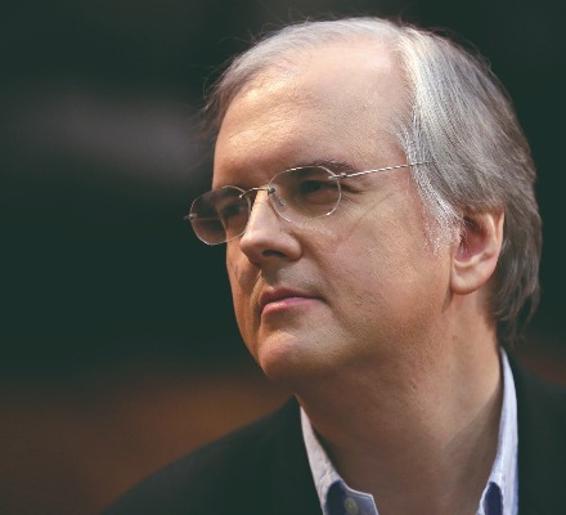
Nicholas Angelich’s Spotify BioPianist Nicholas Angelich spent much of his career in France. He recorded for Harmonia Mundi and Erato, recording muscular, charismatic takes on Romantic repertory standards.
Angelich was born in Cincinnati, Ohio, on December 14, 1970. He began studying the piano at five, with his mother as his teacher, and two years later, he had progressed to a point where he could perform Mozart's Piano Concerto No. 21 in C major, K. 467. A prodigy in the making, Angelich enrolled at the Conservatoire National Supérieur de Musique in Paris at 13 and studied with the most prestigious teachers the school had to offer, including Aldo Ciccolini and Yvonne Loriod. He took master classes with Maria João Pires and Leon Fleisher, who bestowed upon him a Young Talent Award at the Ruhr International Piano Festival. Other major prizes included a second prize at the Robert Casadesus International Piano Competition in Cleveland, Ohio (1989), and first prize at the Gina Bachauer International Piano Competition… (1994). In North America, Angelich appeared with the Utah Symphony under Thierry Fischer, the San Antonio Symphony under Sebastian Lang-Lessing, and the Boston Symphony and New York Philharmonic under Kurt Masur, among others.
Angelich made his recording debut in 1995 with an album of Rachmaninov piano music on the Harmonia Mundi label. He recorded mostly for Virgin, in solidly Romantic-virtuoso repertory, in the 2000s decade. He made his BBC Proms debut in 2009 under Yannick Nézet-Séguin, rejoining that conductor at Lincoln Center's Mostly Mozart Festival. In France, he appeared at many major halls. Angelich was also active as a chamber musician, performing and recording with the violin-cello pair of Renaud and Gautier Capuçon. He moved to the Erato label in the early 2010s. In 2016, he released the album Dedication, presenting works by Liszt, Schumann, and Chopin that were each dedicated to one of the other composers. Many of Angelich's Brahms recordings were collected into a ten-CD box set by Erato in 2017. Angelich's recording of Prokofiev's Piano Sonata No. 8 in B flat major, Op. 84, appeared on Erato in 2021, by which time his catalog contained some 20 recordings. Angelich died somewhat unexpectedly on April 18, 2022, from a chronic lung condition that had been kept private. ~ James Manheim, Rovi
Viberate is a music analytics platform built for A&Rs, artist managers, labels, booking agents, marketers, and artists.
It helps music professionals track artist growth, analyze audience data, monitor playlist activity, compare artists, follow song performance, and identify opportunities across the music market.
Public artist pages provide a free preview of selected artist data. Paid plans provide access to deeper analytics, historical data, charts, comparisons, playlist tools, exports, alerts, reports, and additional professional features.
Yes. Public Viberate artist pages provide selected artist analytics and music data for free.
Viberate also offers a 7-day free trial of the full platform. A credit card is required to start the trial. The trial includes access to the complete product so users can test deeper artist analytics, historical views, playlist insights, comparisons, charts, exports, alerts, and reporting features before choosing a paid plan.
Viberate provides artist analytics across streaming, playlists, social media, video, radio airplay, songs, and audience markets.
Users can analyze Spotify performance, Spotify and Apple Music playlists, YouTube activity, TikTok and Instagram growth, radio spins, song performance, audience locations, demographics, rankings, and overall artist momentum.
Artist profiles also connect to music charts, similar artists, and comparison tools, helping users benchmark performance and evaluate artists in context.
Viberate updates key artist and track data daily.
For followed artists and tracks, selected data is refreshed multiple times per day. This helps teams monitor playlist changes, streaming movement, audience growth, releases, and campaign performance with more current data.
Update frequency can vary depending on the metric and data source.
Yes. Viberate lets users compare up to five artists side by side across streaming, social media, audience, and engagement metrics.
Users can compare fanbase growth, audience demographics, locations, Spotify performance, social metrics, and other artist data over selected time periods.
Artist comparison can be used for A&R scouting, benchmarking, booking decisions, campaign planning, and evaluating artists with similar audiences or market positions.