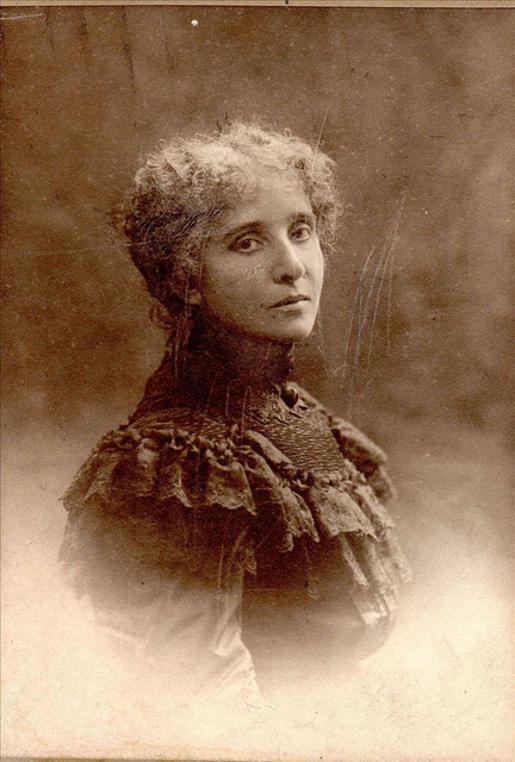
Mel Bonis

Classical
Chamber Music
 Viberate Rank: 284425
 Viberate Rank: 284425
 Monthly ListenersFollowers
 Subscribers
 Followers
 Followers
 FansTop Spotify Songs
| Track | 7-Day Streams | |
|---|---|---|
1 | 3.90K | |
2 | 1.31K | |
3 | 1.13K | |
4 | 1.12K | |
5 | 1.02K |
Top YouTube VideosMonthly ListenersFeatured in Playlists| Playlist | Followers | |
|---|---|---|
1 |  hopeless romantic Spotify | 564.93K |
2 |  Women of Classical Spotify | 101.99K |
3 |  Urban Classical Japan Spotify | 78.57K |
4 |  Piano Concentration Andante Piano | 66.34K |
5 |  Wellness Filtr Canada | 56.98K |
Audience| City | Monthly Listeners | |
|---|---|---|
1 |  | 704 |
2 |  | 574 |
3 | | 547 |
4 |  | 476 |
5 |  | 432 |
See full performance history, audience data, playlist activity, rankings, comparisons, and more in Viberate music analytics. Start with a free trial, then continue with a paid plan.
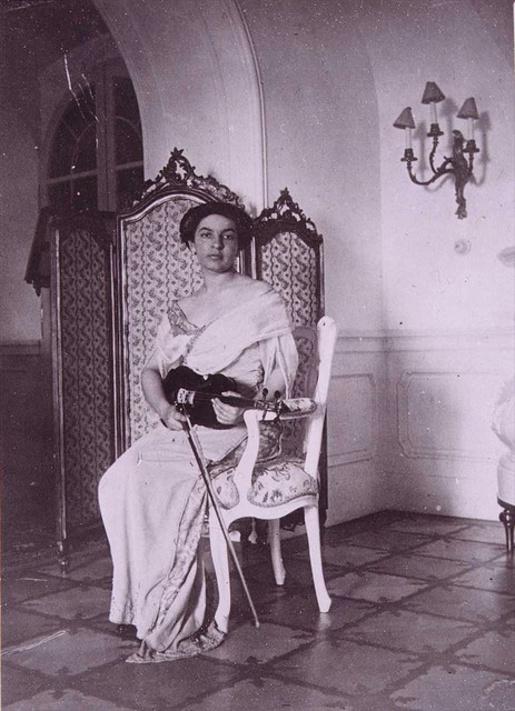
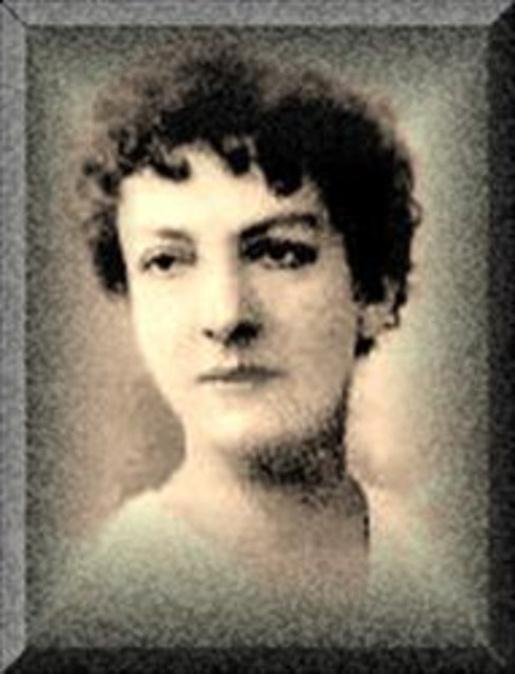
Mel Bonis’ Spotify BioComposer Mélanie Bonis, known as Mel Bonis, was forgotten after her death but saw her works performed frequently in her own time, gaining recognition from leading composers. Increased attention to her career has attended the rediscovery of music by women composers.
Mélanie Bonis was born into a lower-middle-class family in Paris on January 21, 1858. She used the name Mel in connection with her music in order to deemphasize her gender. Bonis taught herself to play the piano, but her intensely Catholic family discouraged her from pursuing music. It was only after a friend of the family, a Monsieur Maury, who was a cornet professor at the Conservatoire de Paris, praised her talent that she was allowed to enroll there at age 16. One of her classmates was Claude Debussy. She impressed her teachers, who included César Franck and Ernest Guiraud, and she won a second prize in accompaniment and a first prize in harmony. She fell in love with a fellow student, the singer and poet Amédée Landély… Hettich, and set some of his poetry to music. The two wanted to marry, but Bonis' parents intervened, forbidding the marriage and demanding that Bonis withdraw from the Conservatoire. They arranged her marriage to Albert Domange, a prosperous tanner who disliked music. For ten years, Bonis gave up music and threw herself into a domestic role, raising three children.
When she encountered Hettich again in the 1890s, he encouraged her to return to music, and she began to compose anew. Hettich introduced her to publisher Alphonse Leduc, and her music began to find an audience. He was also married by then, but the two began an affair despite Bonis' resistance on religious grounds. Many of Bonis' songs date from this period (some were included in a song anthology Hettich published), and some set his texts and reflected the intense attraction between the two. Under the pretext of taking a health cure in Switzerland, Bonis gave birth to a daughter, Madeleine, who was cared for by a family chambermaid. At this point, Bonis threw herself into composition. She wrote more than 300 works, including many songs, piano works, and chamber pieces, but also orchestral works and several collections of music for children.
Although Bonis made little attempt to promote her music, her works were performed in top halls by major performers and attracted favorable notice from, among others, Camille Saint-Saëns, who said he never imagined that a woman could write music like hers. Her Suite pour harpe chromatique et quatre instruments à vents, now most unfortunately lost, won a composition prize, and she became secretary of the influential Société des compositeurs de musique; in this position, she attempted to aid other female composers. During World War I, Domange died, and his family fell on hard times. Madeleine, who had inherited musical talent from both her biological parents, moved in with Bonis' family; Bonis introduced her as her goddaughter. She fell in love with Bonis' son Édouard, who had survived a stint in German captivity. Unable to dissuade Madeleine from pursuing the relationship, Bonis was forced to tell Madeleine that she and Édouard were half-brother and -sister, swearing her to secrecy on a Bible. Bonis continued to compose despite worsening arthritis that left her bedridden through the 1920s, but her late Romantic style was falling out of fashion, and her new works received little notice. Bonis died in the Paris suburb of Sarcelles on March 18, 1937, followed by Hettich a month later. For many decades, her music remained obscure, but the revival of interest in works by women stirred up many new performances and recordings. By the mid-2020s, more than 100 of her 300 compositions had been recorded. ~ James Manheim, Rovi
Viberate is a music analytics platform built for A&Rs, artist managers, labels, booking agents, marketers, and artists.
It helps music professionals track artist growth, analyze audience data, monitor playlist activity, compare artists, follow song performance, and identify opportunities across the music market.
Public artist pages provide a free preview of selected artist data. Paid plans provide access to deeper analytics, historical data, charts, comparisons, playlist tools, exports, alerts, reports, and additional professional features.
Yes. Public Viberate artist pages provide selected artist analytics and music data for free.
Viberate also offers a 7-day free trial of the full platform. A credit card is required to start the trial. The trial includes access to the complete product so users can test deeper artist analytics, historical views, playlist insights, comparisons, charts, exports, alerts, and reporting features before choosing a paid plan.
Viberate provides artist analytics across streaming, playlists, social media, video, radio airplay, songs, and audience markets.
Users can analyze Spotify performance, Spotify and Apple Music playlists, YouTube activity, TikTok and Instagram growth, radio spins, song performance, audience locations, demographics, rankings, and overall artist momentum.
Artist profiles also connect to music charts, similar artists, and comparison tools, helping users benchmark performance and evaluate artists in context.
Viberate updates key artist and track data daily.
For followed artists and tracks, selected data is refreshed multiple times per day. This helps teams monitor playlist changes, streaming movement, audience growth, releases, and campaign performance with more current data.
Update frequency can vary depending on the metric and data source.
Yes. Viberate lets users compare up to five artists side by side across streaming, social media, audience, and engagement metrics.
Users can compare fanbase growth, audience demographics, locations, Spotify performance, social metrics, and other artist data over selected time periods.
Artist comparison can be used for A&R scouting, benchmarking, booking decisions, campaign planning, and evaluating artists with similar audiences or market positions.