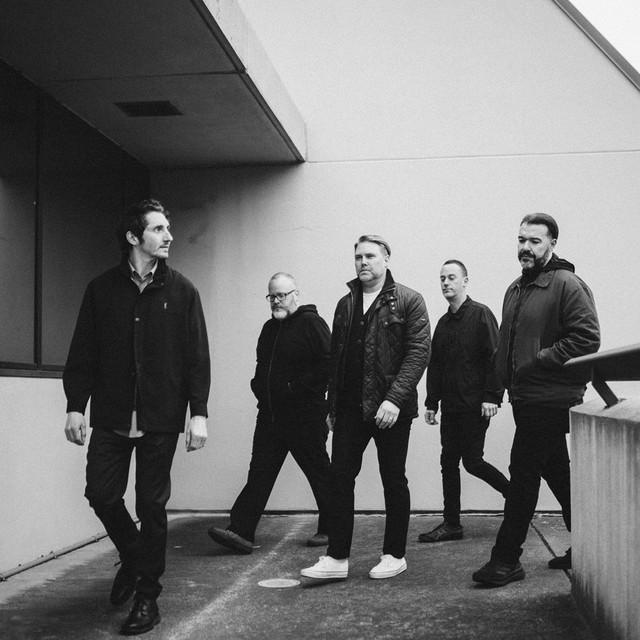
The Starting Line


Punk
Pop Punk
 Viberate Rank: 31965
 Viberate Rank: 31965
 Monthly ListenersFollowers
 Subscribers
 Followers
 Followers
 FansTop Spotify Songs
| Track | 7-Day Streams | |
|---|---|---|
1 | 221.96K | |
2 | 45.23K | |
3 | 39.82K | |
4 | 27.64K | |
5 | 24.43K |
Top YouTube Videos| Video | 7-Day Views | |
|---|---|---|
1 | 12.53K | |
2 | 3.03K | |
3 | 2.00K | |
4 | 1.63K | |
5 | 1.12K |
Monthly ListenersFeatured in Playlists| Playlist | Followers | |
|---|---|---|
1 |  Pure Pop Punk Spotify | 2.99M |
2 |  Emo Forever Spotify | 1.94M |
3 | Punk Rock (90’s & 00’s) CW | 389.47K |
4 | Early 2000s Punk Rock MattLuciano2 | 177.03K |
5 | Punk Goes Pop Greatest Hits rylandee | 134.13K |
Audience| City | Monthly Listeners | |
|---|---|---|
1 | | 15.11K |
2 | | 13.59K |
3 | | 13.04K |
4 | | 12.46K |
5 | | 8.95K |
See full performance history, audience data, playlist activity, rankings, comparisons, and more in Viberate music analytics. Start with a free trial, then continue with a paid plan.
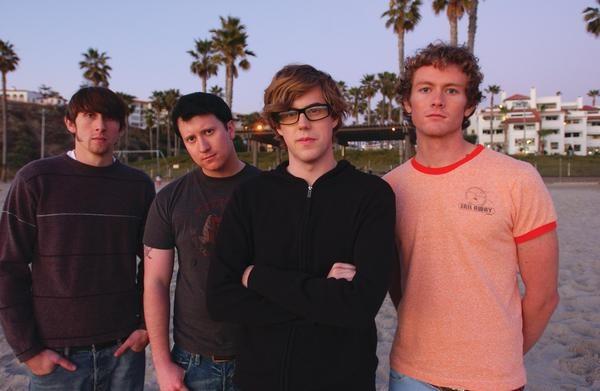
The Starting Line’s Spotify BioPennsylvanian punk-poppers the Starting Line originally came together in 1999 via version 2.0 of the old "vocalist wanted" flyer hanging at the local record store. Guitarist Matt Watts was playing with a few bands throughout his teenage years, but after seeing Ken Vasoli's AOL profile, he invited him to jam. Vasoli was soon installed as the bassist and singer, joining Watts, second guitarist Mike Golla, and drummer Tom Gryskiewitz to form Sunday Drive. Though barely out of high school, Sunday Drive started lining up shows and recording demos, and aggressively marketed everything with the aid of buddy old pal AOL and listings on MP3.com. Cali indie We the People took notice of the MP3s and soon offered a deal; however, punk-pop powerhouse Drive-Thru saw an opportunity in the group's fresh faces and accessible melodies, and swooped in to take control of the resulting demos. Sunday Drive wasn't going to argue -- with its highly successful roster (Something Corporate, Midtown, etc.) and… Geffen distribution deal, Drive-Thru was a dream come true. By 2000, the quartet had become the Starting Line, and issued the With Hopes of Starting Over EP. Warped Tour dates followed, the band's Internet presence remained strong, and when its debut full-length, Say It Like You Mean It, dropped in 2002, it was met with enthusiastic kid support. The band again spent the summer as part of its second Warped Tour, and its video clip for the heartfelt emo pop ballad "Best of Me" did quite well at MTV2. The Make Yourself at Home EP appeared before the year's end. In May 2005, the band issued their sophomore effort, Based On A True Story. Performance dates on the annual Vans Warped Tour followed that summer and even though their popularity increased, Geffen de-prioritized the album and gave very little promotional support to the single. After the group wiggled free from their contract, Virgin president Jason Flom caught one of their live shows and scooped up the band to his label. In 2007, the group began recording Direction, an album dedicated to their brand of concise, straight-forward, pop-punk tunes. ~ Johnny Loftus, Rovi
Viberate is a music analytics platform built for A&Rs, artist managers, labels, booking agents, marketers, and artists.
It helps music professionals track artist growth, analyze audience data, monitor playlist activity, compare artists, follow song performance, and identify opportunities across the music market.
Public artist pages provide a free preview of selected artist data. Paid plans provide access to deeper analytics, historical data, charts, comparisons, playlist tools, exports, alerts, reports, and additional professional features.
Yes. Public Viberate artist pages provide selected artist analytics and music data for free.
Viberate also offers a 7-day free trial of the full platform. A credit card is required to start the trial. The trial includes access to the complete product so users can test deeper artist analytics, historical views, playlist insights, comparisons, charts, exports, alerts, and reporting features before choosing a paid plan.
Viberate provides artist analytics across streaming, playlists, social media, video, radio airplay, songs, and audience markets.
Users can analyze Spotify performance, Spotify and Apple Music playlists, YouTube activity, TikTok and Instagram growth, radio spins, song performance, audience locations, demographics, rankings, and overall artist momentum.
Artist profiles also connect to music charts, similar artists, and comparison tools, helping users benchmark performance and evaluate artists in context.
Viberate updates key artist and track data daily.
For followed artists and tracks, selected data is refreshed multiple times per day. This helps teams monitor playlist changes, streaming movement, audience growth, releases, and campaign performance with more current data.
Update frequency can vary depending on the metric and data source.
Yes. Viberate lets users compare up to five artists side by side across streaming, social media, audience, and engagement metrics.
Users can compare fanbase growth, audience demographics, locations, Spotify performance, social metrics, and other artist data over selected time periods.
Artist comparison can be used for A&R scouting, benchmarking, booking decisions, campaign planning, and evaluating artists with similar audiences or market positions.