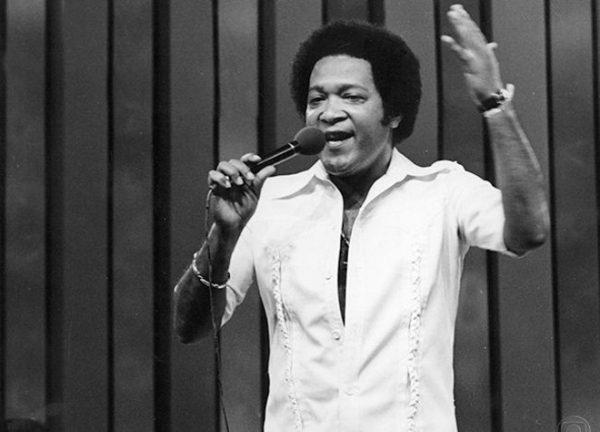
Roberto Ribeiro

Latin
Samba
 Viberate Rank: 82538
 Viberate Rank: 82538
 Monthly ListenersFollowers
 Subscribers
 Followers
 Followers
 FansTop Spotify Songs
| Track | 7-Day Streams | |
|---|---|---|
1 | 31.73K | |
2 | 13.04K | |
3 | 12.90K | |
4 | 7.67K | |
5 | 6.09K |
Top YouTube VideosMonthly ListenersFeatured in Playlists| Playlist | Followers | |
|---|---|---|
1 |  Canto aos Orixás Spotify | 181.22K |
2 |  Samba Classics Spotify | 144.90K |
3 |  Saudades, Carnaval Spotify | 39.96K |
4 | Sambas Inesquecíveis e Novos Talentos Wilka Campos | 36.62K |
5 |  MILTON NASCIMENTO - As Melhores Suvela Music | 33.23K |
Audience| City | Monthly Listeners | |
|---|---|---|
1 | | 35.35K |
2 | | 17.48K |
3 | | 6.99K |
4 | | 4.95K |
5 | | 4.56K |
See full performance history, audience data, playlist activity, rankings, comparisons, and more in Viberate music analytics. Start with a free trial, then continue with a paid plan.
Roberto Ribeiro’s Spotify BioRoberto Ribeiro, a successful samba interpreter/composer and also a sambista of the Império Serrano samba school appeared in 1972 as the partner of Elza Soares in three singles recorded by her. In the same year it was launched the LP Elza Soares e Roberto Ribeiro. In 1975 Ribeiro had success with his recording for "Leonel/Leonor" (Wilson Moreira/Neizinho), in Sucessos 4 Sambas. Recorded in the same year, his LP Molejo also had hits with "Estrela de Madureira" (Acyr Pimentel/Cardoso) and "Proposta Amorosa" (Monarco). In 1976 he had two nationwide hits with "Tempo É" (Zé Luís/Nelson Rufino) and "Acreditar" (Ivone Lara/Délcio Carvalho), launched in Arrasta Povo, and in the next year he had another success by the duo with "Liberdade" (Ivone Lara/Délcio Carvalho), included in Poeira Pura. Other nationwide smashes came in 1978 with "Meu Drama" (Silas de Oliveira/J. Ilarindo; the song was adopted as the theme of the highly successful soap opera Pai Herói, TV Globo, and released as a record… with the soundtrack), "Todo Menino é um Rei" (Zé Luís/Nelson Rufino), followed by "Amei Demais" (Flávio Moreira/Liette de Souza) and "Isso Não São Horas" (Catoni/Chiquinho/Xangô da Mangueira). In 1979 he had hits with "Vazio" (Nelson Rufino) and "Partilha" (Romildo/Sérgio Fonseca), from Coisas da Vida. Fala Meu Povo (1980) had some originals like "Vem", but the successful songs were "Só Chora Quem Ama" (Wilson Moreira/Nei Lopes) and "Quem Lucrou Fui Eu" (Monarco), while "Santa Clara Clareou" (Zé Baiano do Salgueiro) was the hit of Massa, Raça e Emoção (1981). In 1983 one of his compositions finally measured up to his success, "Algemas" (with Toninho Nascimento), included in Roberto Ribeiro. Sorri pra Vida (1987) had success with "Ingrata Paixão" (Mauro Diniz/Ratinho/Adilson Victor). ~ Alvaro Neder, Rovi
Viberate is a music analytics platform built for A&Rs, artist managers, labels, booking agents, marketers, and artists.
It helps music professionals track artist growth, analyze audience data, monitor playlist activity, compare artists, follow song performance, and identify opportunities across the music market.
Public artist pages provide a free preview of selected artist data. Paid plans provide access to deeper analytics, historical data, charts, comparisons, playlist tools, exports, alerts, reports, and additional professional features.
Yes. Public Viberate artist pages provide selected artist analytics and music data for free.
Viberate also offers a 7-day free trial of the full platform. A credit card is required to start the trial. The trial includes access to the complete product so users can test deeper artist analytics, historical views, playlist insights, comparisons, charts, exports, alerts, and reporting features before choosing a paid plan.
Viberate provides artist analytics across streaming, playlists, social media, video, radio airplay, songs, and audience markets.
Users can analyze Spotify performance, Spotify and Apple Music playlists, YouTube activity, TikTok and Instagram growth, radio spins, song performance, audience locations, demographics, rankings, and overall artist momentum.
Artist profiles also connect to music charts, similar artists, and comparison tools, helping users benchmark performance and evaluate artists in context.
Viberate updates key artist and track data daily.
For followed artists and tracks, selected data is refreshed multiple times per day. This helps teams monitor playlist changes, streaming movement, audience growth, releases, and campaign performance with more current data.
Update frequency can vary depending on the metric and data source.
Yes. Viberate lets users compare up to five artists side by side across streaming, social media, audience, and engagement metrics.
Users can compare fanbase growth, audience demographics, locations, Spotify performance, social metrics, and other artist data over selected time periods.
Artist comparison can be used for A&R scouting, benchmarking, booking decisions, campaign planning, and evaluating artists with similar audiences or market positions.