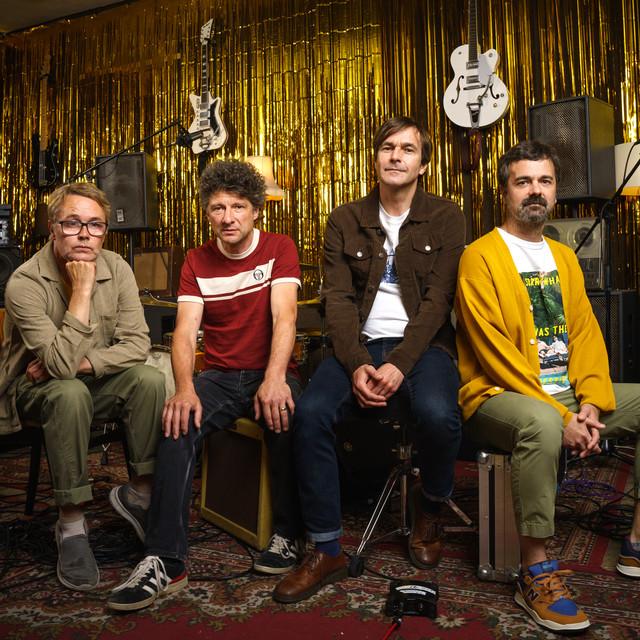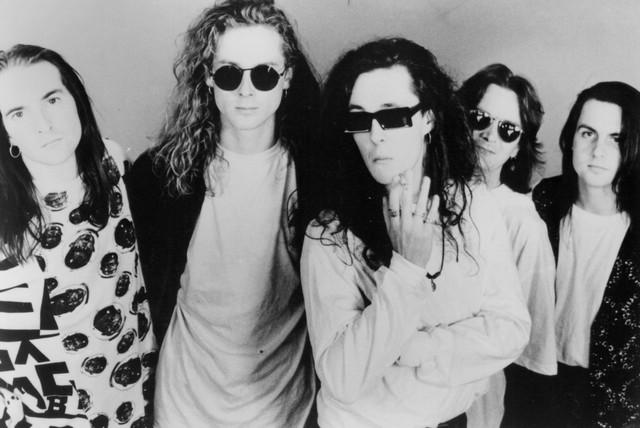
The Wonder Stuff

Rock
Alternative Rock
Punk Rock
 Viberate Rank: 69498
 Viberate Rank: 69498
 Monthly ListenersFollowers
 Subscribers
 Followers
 Followers
 FansTop Spotify Songs
| Track | 7-Day Streams | |
|---|---|---|
1 | 15.39K | |
2 | 15.13K | |
3 | 6.11K | |
4 | 6.08K | |
5 | 3.78K |
Top YouTube VideosMonthly ListenersFeatured in Playlists| Playlist | Followers | |
|---|---|---|
1 | probably the best indie playlist ever Jason Williams | 61.78K |
2 |  Now 1 - 114 (1983 - 2023) Now That's What I Call Music 1 - 114 abundantmusic | 56.69K |
3 |  Darts Walk on Songs Jannis Siggelkow | 45.28K |
4 |  1980-2026 Greatest Hits | The Best Hits of the 80s, 90s, 00s, 10s and 20s | Press ❤️ to follow! Andy P - Over 280 Playlists! | 43.78K |
5 |  The Haçienda Classics Jose Maria Badillo Martin | 34.92K |
Audience| City | Monthly Listeners | |
|---|---|---|
1 | | 8.23K |
2 | | 5.18K |
3 | | 3.23K |
4 | | 2.24K |
5 |  | 1.88K |
See full performance history, audience data, playlist activity, rankings, comparisons, and more in Viberate music analytics. Start with a free trial, then continue with a paid plan.
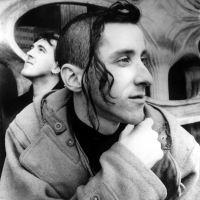
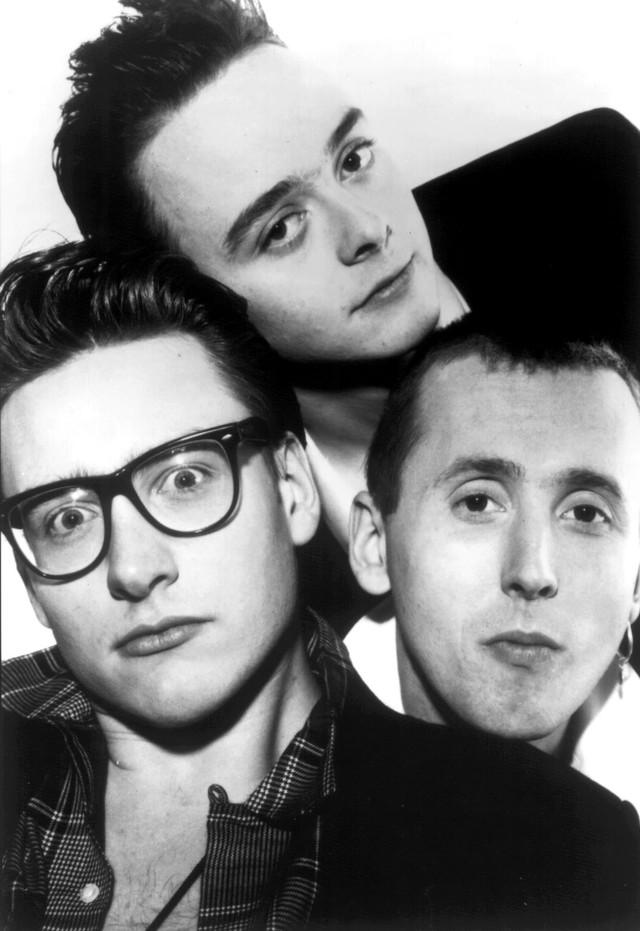
The Wonder Stuff’s Spotify BioSomewhere between the mid-'80s and mid-'90s, the Wonder Stuff were one of the biggest bands in the U.K. Starting as a revved-up guitar pop band, later adding offbeat folk influences while occasionally nodding to the excess of the Madchester scene, cleverness and eclecticism were the Wonder Stuff's calling cards. The group was also blessed/cursed with a frontman, Miles Hunt, who had the gift of arrogant gab, delivering bitingly witty lyrics and lively interviews that won plenty of space in the U.K. music press.
The Wonder Stuff were formed in Stourbridge, West Midlands, England in 1986. The original lineup featured Miles Hunt on vocals and guitar, Malcolm Treece on guitar and vocals, Rob Jones (aka The Bass Thing) on bass, and Martin Gilks on drums. The group began rehearsing in March, and in September they went into the studio to cut their debut EP, A Wonderful Day. Positive press from the EP and early gigs helped the Wonder Stuff land a record deal with Polydor in 1987. After hitting… the U.K. singles chart with the song "It's Yer Money I'm After, Baby," the group released its first album, The Eight Legged Groove Machine, in August 1988. The album's modest success led to the Wonder Stuff's first headlining tour of the U.K., as well as appearances at the Reading and Glastonbury Festivals.
In September 1989, the single "Don't Let Me Down Gently" broke into the U.K. Top 20, and one month later, the Wonder Stuff dropped their second album, Hup! A more eclectic effort that debuted new banjo and fiddle man Martin Bell, Hup! rose to number five on the U.K. albums chart. Near the end of 1989, Rob Jones quit the Wonder Stuff and relocated to the United States; Paul Clifford signed on as their new bassist a few months later. (Jones died in July 1993; he was only 29.) After a stretch of U.K. touring, the Wonder Stuff began work on their third album. Never Loved Elvis appeared in June 1991, and became the band's highest-charting album, peaking at number three in the U.K. It featured the single "The Size of a Cow," which became a number five hit in England and a college radio favorite in America. The Wonder Stuff also cut a cover of Tommy Roe's "Dizzy" with comedian Vic Reeves that became a number one British hit.
In October 1993, the Wonder Stuff's fourth album appeared in shops, Construction for the Modern Idiot. While the album went to number four on the U.K. charts, it didn't enjoy the same success as Never Loved Elvis, and reviews were lukewarm. A massive tour followed, and the band, worn out and at loose ends, opted to cancel upcoming jaunts to Australia and the Far East. In June 1994, the Wonder Stuff announced in their fan club newsletter that they were calling it a day. For their final show, they headlined the Phoenix Festival in Stratford-on-Avon, a gig booked far in advance. Miles Hunt toured as a solo act and formed the band Vent 414, while Malcolm Treece, Martin Gilks, and Paul Clifford worked together in the group Weknowwhereyoulive.
In 2000, the Wonder Stuff reunited for a one-off show in London, with Hunt, Treece, Gilks, and Bell joined by new bassist Stuart Quinell and keyboardist Pete Whittaker, who had toured with the group in the '90s. Demand for tickets led to the single show expanding into a five-night run, in addition to two nights in the Midlands. The band toured sporadically until 2004, when Gilks and Bell had a falling out with Hunt. While the Wonder Stuff were believed to be defunct, Hunt assembled a new lineup of the band and cut a studio album, Escape from Rubbish Island, that was released in September 2004. Hunt's new Wonder Stuff released another studio album, Suspended by Stars, in 2006. That same year, Martin Gilks lost his life in a motorcycle accident at the age of 41. While the Wonder Stuff's lineup became increasingly fluid from this point onward, Miles Hunt remained the group's frontman and constant presence, and they toured regularly in the U.K. and Europe. In 2016, the Wonder Stuff celebrated the 30th anniversary of their founding with the release of their first album in ten years, 30 Goes Around the Sun. With the band playing live in various incarnations over the next few years, Hunt brought back original guitarist Malcolm Treece to play on tour to support the group's 2019 ninth studio album, Better Being Lucky. With the tour coinciding with the 30th anniversary of the release of Hup!, the revitalized band -- which now included members of Eat and the Mission -- also played the album in its entirety at the shows. ~ Mark Deming, Rovi
Viberate is a music analytics platform built for A&Rs, artist managers, labels, booking agents, marketers, and artists.
It helps music professionals track artist growth, analyze audience data, monitor playlist activity, compare artists, follow song performance, and identify opportunities across the music market.
Public artist pages provide a free preview of selected artist data. Paid plans provide access to deeper analytics, historical data, charts, comparisons, playlist tools, exports, alerts, reports, and additional professional features.
Yes. Public Viberate artist pages provide selected artist analytics and music data for free.
Viberate also offers a 7-day free trial of the full platform. A credit card is required to start the trial. The trial includes access to the complete product so users can test deeper artist analytics, historical views, playlist insights, comparisons, charts, exports, alerts, and reporting features before choosing a paid plan.
Viberate provides artist analytics across streaming, playlists, social media, video, radio airplay, songs, and audience markets.
Users can analyze Spotify performance, Spotify and Apple Music playlists, YouTube activity, TikTok and Instagram growth, radio spins, song performance, audience locations, demographics, rankings, and overall artist momentum.
Artist profiles also connect to music charts, similar artists, and comparison tools, helping users benchmark performance and evaluate artists in context.
Viberate updates key artist and track data daily.
For followed artists and tracks, selected data is refreshed multiple times per day. This helps teams monitor playlist changes, streaming movement, audience growth, releases, and campaign performance with more current data.
Update frequency can vary depending on the metric and data source.
Yes. Viberate lets users compare up to five artists side by side across streaming, social media, audience, and engagement metrics.
Users can compare fanbase growth, audience demographics, locations, Spotify performance, social metrics, and other artist data over selected time periods.
Artist comparison can be used for A&R scouting, benchmarking, booking decisions, campaign planning, and evaluating artists with similar audiences or market positions.