Senseless Things

Punk
Pop Punk
Alternative Rock
 Viberate Rank: 275907
 Viberate Rank: 275907
 Monthly ListenersFollowers
 Subscribers
 Followers
 Followers
 FansTop Spotify Songs
| Track | 7-Day Streams | |
|---|---|---|
1 | 481 | |
2 | 374 | |
3 | 283 | |
4 | 252 | |
5 | 252 |
Top YouTube VideosMonthly ListenersFeatured in Playlists| Playlist | Followers | |
|---|---|---|
1 |  the jangle pop masterlist Arielle | 5.96K |
2 |  John Peel Festive 50s Anders Björk | 5.74K |
3 |  John Peel Festive 50s Complete! backseatmafia | 4.54K |
4 | John Peel's Festive 50s Complete 1976-2004 Lasse Nordgren | 4.41K |
5 |  The Sound of 1989 (BBC 6 Music) BBC Music Playlists | 3.31K |
Audience| City | Monthly Listeners | |
|---|---|---|
1 | | 306 |
2 | | 140 |
3 | | 94 |
4 | | 73 |
5 | | 39 |
See full performance history, audience data, playlist activity, rankings, comparisons, and more in Viberate music analytics. Start with a free trial, then continue with a paid plan.
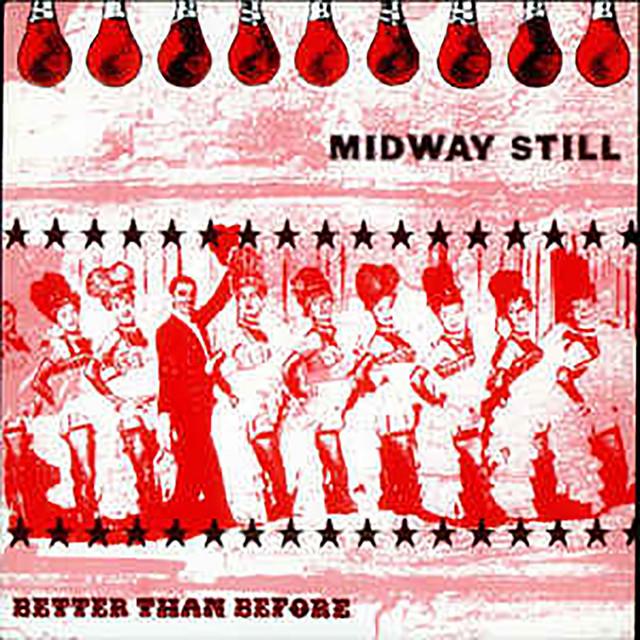
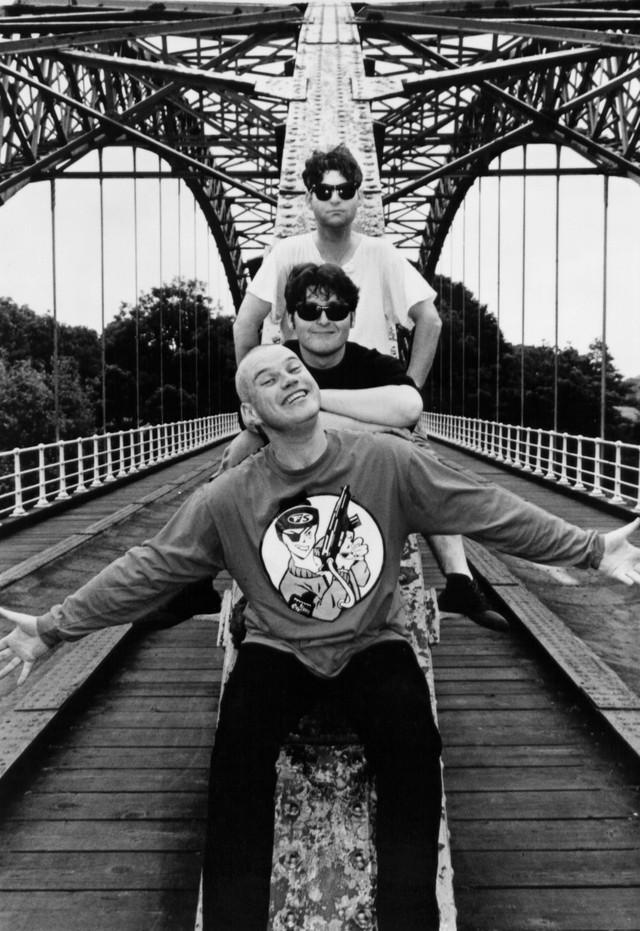
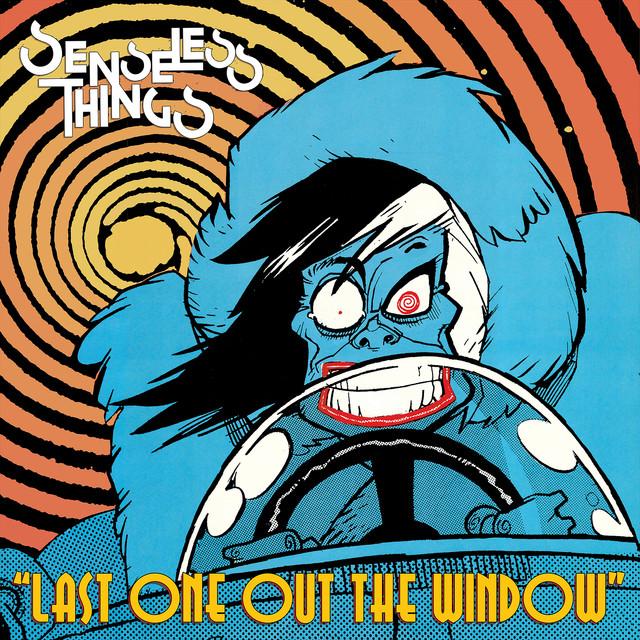
Senseless Things’ Spotify BioThe Senseless Things' bounding, enthusuastic blend of loud guitars, punk tempos, and bubblegummy pop melodies made a splash on the British scene in the early 1990s. After a few indie singles, including the insistent "Too Much Kissing," the band turned out a fine trio of albums notable for their Jamie Hewlett-drawn covers, their mix of snappy singles, and their more thoughtful, sometimes political album tracks.
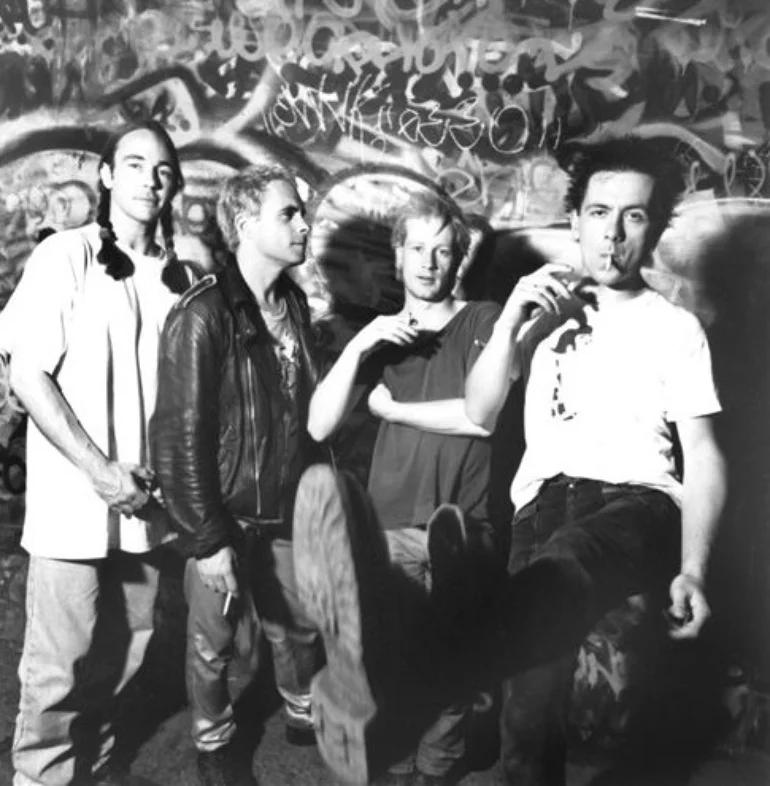
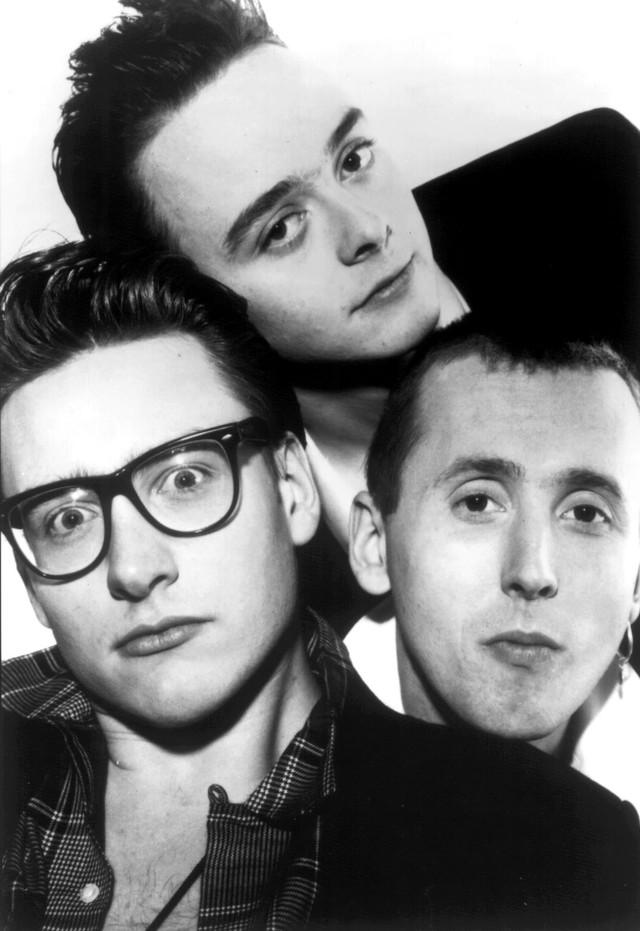
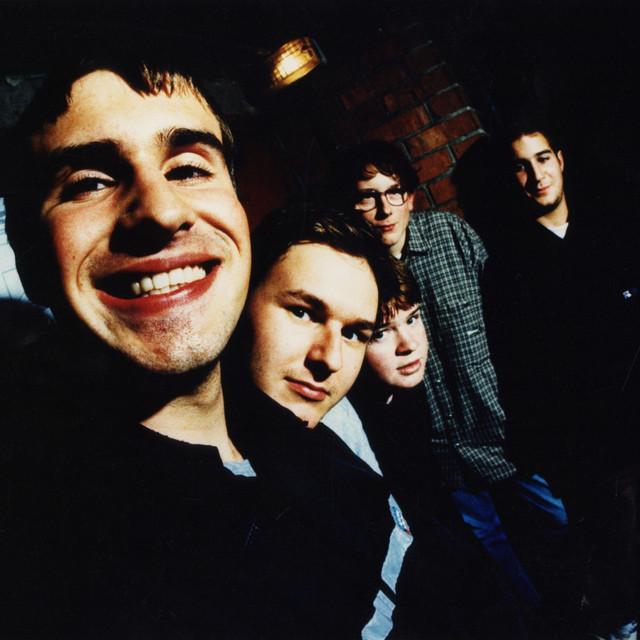
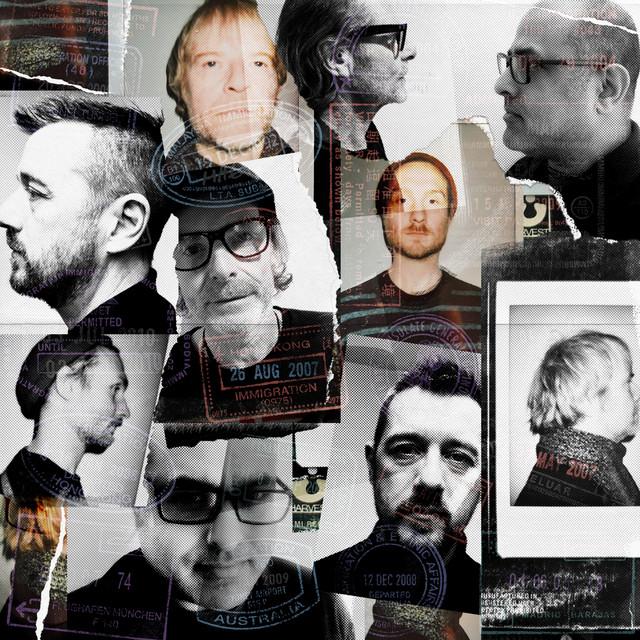
Formed in 1987 in the town of Twickenham in West London, the band (Mark Keds on guitar and vocals, Ben Harding on guitar and vocals, Cass Browne on drums, Morgan Nicholls on bass) made a series of fast, melodic, and charmingly light-hearted singles for indie label Way Cool. Their 1988 album, Postcard C.V., solidified their feel-good punk style and found them sounding like a perfect mix of the Buzzcocks and the Undertones with a little Archies thrown in. Around this time, the band struck up a friendship with Jamie Hewlett, creator of Tank Girl, and their record sleeves featured his… work. A single taken from the album, "Too Much Kissing," soon became a solid indie hit and a larger label, Decoy, snapped up the band. Decoy was the home of the Mega City Four, another fine British pop-punk group. The Senseless Things released two well-received EPs in 1990, and after a storming appearance at the Reading Festival and a packed house tour of U.K. clubs, Epic Records signed them. The band was maturing musically and their first album for Epic found them utilizing acoustic guitars and exploring slower tempos. 1991's First of Too Many was a medium-sized hit, as were the singles taken from it, and the band seemed poised for more success. The next album, 1993's Empire of the Senseless, showed the band maturing lyrically as well. "Homophobic Asshole" was the first single from the record and although it was not a huge commercial hit, it showed that the band may have a future beyond bubblegum punk, but it was not to be. They released one more album, 1995's Taking Care of Business, and split after one last tour. The band felt they had taken their sound as far as they could and decided to move in other directions. Keds formed a band called Jolt in late 1995, and would later perform with Deadcuts and the Wildhearts; Harding played with 3 Colours Red; Nichols released a solo album then joined the Streets and Muse as a live bassist; Browne was a vital part of Gorillaz for a decade and in 2019 formed the band Loup GarouX with Ed Harcourt. Along with all this indiviual activity, there was a brief Senseless Things reunion in 2007, then a more serious one in 2017 that resulted in a new single called "Lost Honey." Any chance of further concerts or recordings was curtailed by the death of Mark Keds in January of 2021. ~ Tim Sendra, Rovi
Viberate is a music analytics platform built for A&Rs, artist managers, labels, booking agents, marketers, and artists.
It helps music professionals track artist growth, analyze audience data, monitor playlist activity, compare artists, follow song performance, and identify opportunities across the music market.
Public artist pages provide a free preview of selected artist data. Paid plans provide access to deeper analytics, historical data, charts, comparisons, playlist tools, exports, alerts, reports, and additional professional features.
Yes. Public Viberate artist pages provide selected artist analytics and music data for free.
Viberate also offers a 7-day free trial of the full platform. A credit card is required to start the trial. The trial includes access to the complete product so users can test deeper artist analytics, historical views, playlist insights, comparisons, charts, exports, alerts, and reporting features before choosing a paid plan.
Viberate provides artist analytics across streaming, playlists, social media, video, radio airplay, songs, and audience markets.
Users can analyze Spotify performance, Spotify and Apple Music playlists, YouTube activity, TikTok and Instagram growth, radio spins, song performance, audience locations, demographics, rankings, and overall artist momentum.
Artist profiles also connect to music charts, similar artists, and comparison tools, helping users benchmark performance and evaluate artists in context.
Viberate updates key artist and track data daily.
For followed artists and tracks, selected data is refreshed multiple times per day. This helps teams monitor playlist changes, streaming movement, audience growth, releases, and campaign performance with more current data.
Update frequency can vary depending on the metric and data source.
Yes. Viberate lets users compare up to five artists side by side across streaming, social media, audience, and engagement metrics.
Users can compare fanbase growth, audience demographics, locations, Spotify performance, social metrics, and other artist data over selected time periods.
Artist comparison can be used for A&R scouting, benchmarking, booking decisions, campaign planning, and evaluating artists with similar audiences or market positions.