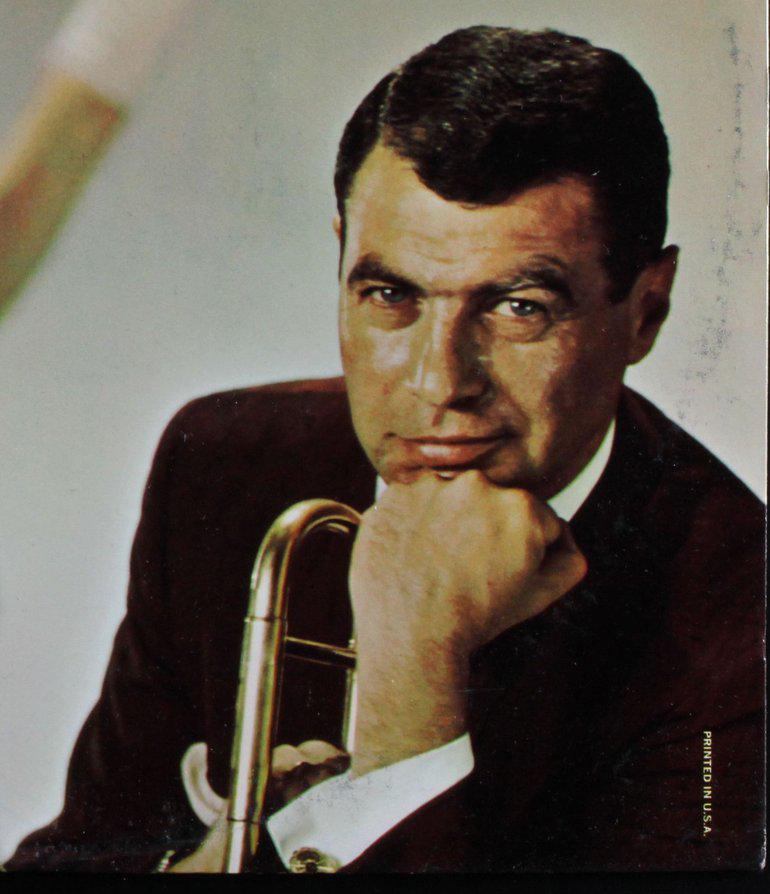
Neal Hefti

Jazz
Swing
Big band Jazz
 Viberate Rank: 186722
 Viberate Rank: 186722
 Monthly ListenersFollowers
 Subscribers
 Followers
 Followers
 FansTop Spotify Songs
| Track | 7-Day Streams | |
|---|---|---|
1 | 5.68K | |
2 | 2.72K | |
3 | 1.68K | |
4 | 1.65K | |
5 | 1.59K |
Top YouTube VideosMonthly ListenersFeatured in Playlists| Playlist | Followers | |
|---|---|---|
1 |  Jazzy Romance Spotify | 1.30M |
2 |  Essential Classics Essential Classics | 31.39K |
3 | Soft Jazz and Blues... or just melting gita1503 | 19.48K |
4 | Finsk Musikquiz! Johan Ruthberg | 17.95K |
5 |  Movie's 100 Greatest Themes ANDREW HARRY BRIGGS | 16.65K |
Audience| City | Monthly Listeners | |
|---|---|---|
1 |  | 442 |
2 |  | 292 |
3 | | 291 |
4 |  | 269 |
5 |  | 258 |
See full performance history, audience data, playlist activity, rankings, comparisons, and more in Viberate music analytics. Start with a free trial, then continue with a paid plan.
Neal Hefti’s Spotify BioOne of the top jazz arranger/composers of the 1950s, Neal Hefti first wrote charts in the late '30s for Nat Towles. He contributed arrangements to the Earl Hines big band; played trumpet with Charlie Barnet, Horace Heidt, and Charlie Spivak (1942-1943); and toured with Woody Herman's First Herd (1944-1946), marrying Herman's singer Francis Wayne. It was with Herman that Hefti began to get a strong reputation, arranging an updated "Woodchopper's Ball" and "Blowin' Up a Storm," and composing "The Good Earth" and "Wild Root." He also took a notable solo during a Lucky Thompson session on "From Dixieland to Bop." However, Hefti soon relegated his trumpet playing to a secondary status (although he played it on an occasional basis into the 1960s) and concentrated on his writing. He contributed charts to the orchestras of Charlie Ventura (1946), Harry James (1948-1949), and most notably Count Basie (1950-1962). For Basie, he wrote "Little Pony," "Cute," "Li'l Darling," "Whirlybird," and many… other swinging songs, often utilizing Frank Wess' flute in inventive fashion. Neal Hefti also led his own bands off and on in the 1950s, but in later years concentrated on writing for films while remaining influenced by his experiences in the jazz world. Hefti passed away at his California home on October 11, 2008, at age 85. ~ Scott Yanow, Rovi
Viberate is a music analytics platform built for A&Rs, artist managers, labels, booking agents, marketers, and artists.
It helps music professionals track artist growth, analyze audience data, monitor playlist activity, compare artists, follow song performance, and identify opportunities across the music market.
Public artist pages provide a free preview of selected artist data. Paid plans provide access to deeper analytics, historical data, charts, comparisons, playlist tools, exports, alerts, reports, and additional professional features.
Yes. Public Viberate artist pages provide selected artist analytics and music data for free.
Viberate also offers a 7-day free trial of the full platform. A credit card is required to start the trial. The trial includes access to the complete product so users can test deeper artist analytics, historical views, playlist insights, comparisons, charts, exports, alerts, and reporting features before choosing a paid plan.
Viberate provides artist analytics across streaming, playlists, social media, video, radio airplay, songs, and audience markets.
Users can analyze Spotify performance, Spotify and Apple Music playlists, YouTube activity, TikTok and Instagram growth, radio spins, song performance, audience locations, demographics, rankings, and overall artist momentum.
Artist profiles also connect to music charts, similar artists, and comparison tools, helping users benchmark performance and evaluate artists in context.
Viberate updates key artist and track data daily.
For followed artists and tracks, selected data is refreshed multiple times per day. This helps teams monitor playlist changes, streaming movement, audience growth, releases, and campaign performance with more current data.
Update frequency can vary depending on the metric and data source.
Yes. Viberate lets users compare up to five artists side by side across streaming, social media, audience, and engagement metrics.
Users can compare fanbase growth, audience demographics, locations, Spotify performance, social metrics, and other artist data over selected time periods.
Artist comparison can be used for A&R scouting, benchmarking, booking decisions, campaign planning, and evaluating artists with similar audiences or market positions.